
Poultry Industry News & Insights
Latest updates from poultry farming practices and cage equipment technology
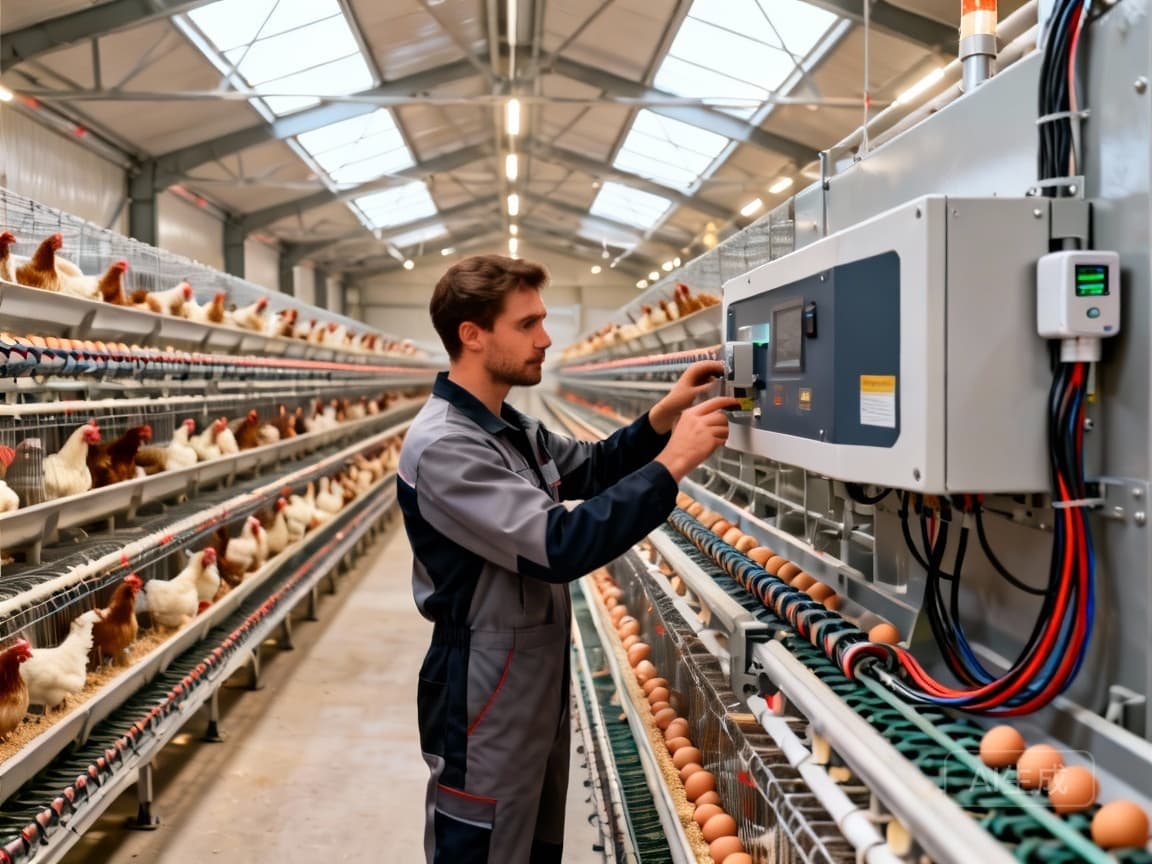
Avoid 68% Failure: Build a Profitable Poultry Automation System #64
The automated poultry farm market is projected to grow from $384.1M in 2025 to $682.98M by 2030 (12.20% CAGR). Yet, 68% of automation investments fail due to interoperability gaps, with unplanned integration costs reaching 25-30% of budgets. This blueprint provides a data-driven strategy to avoid these pitfalls and secure ROI.
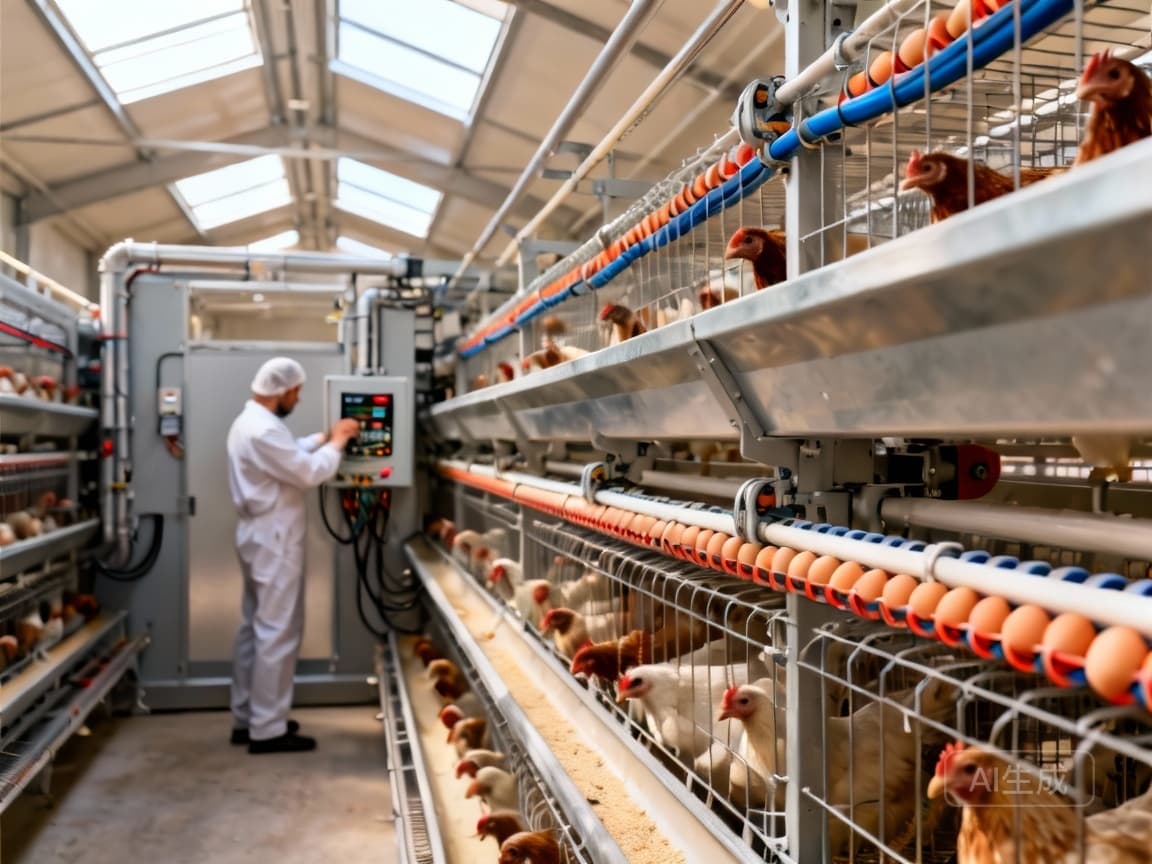
Automate Poultry Farming: Cut Integration Costs 30% & Secure ROI #63
68% of poultry automation projects miss ROI due to hidden integration costs. Our data-driven framework cuts these costs by 30%, ensuring resilient systems and securing ROI in a market projected to reach $682.98M by 2030.
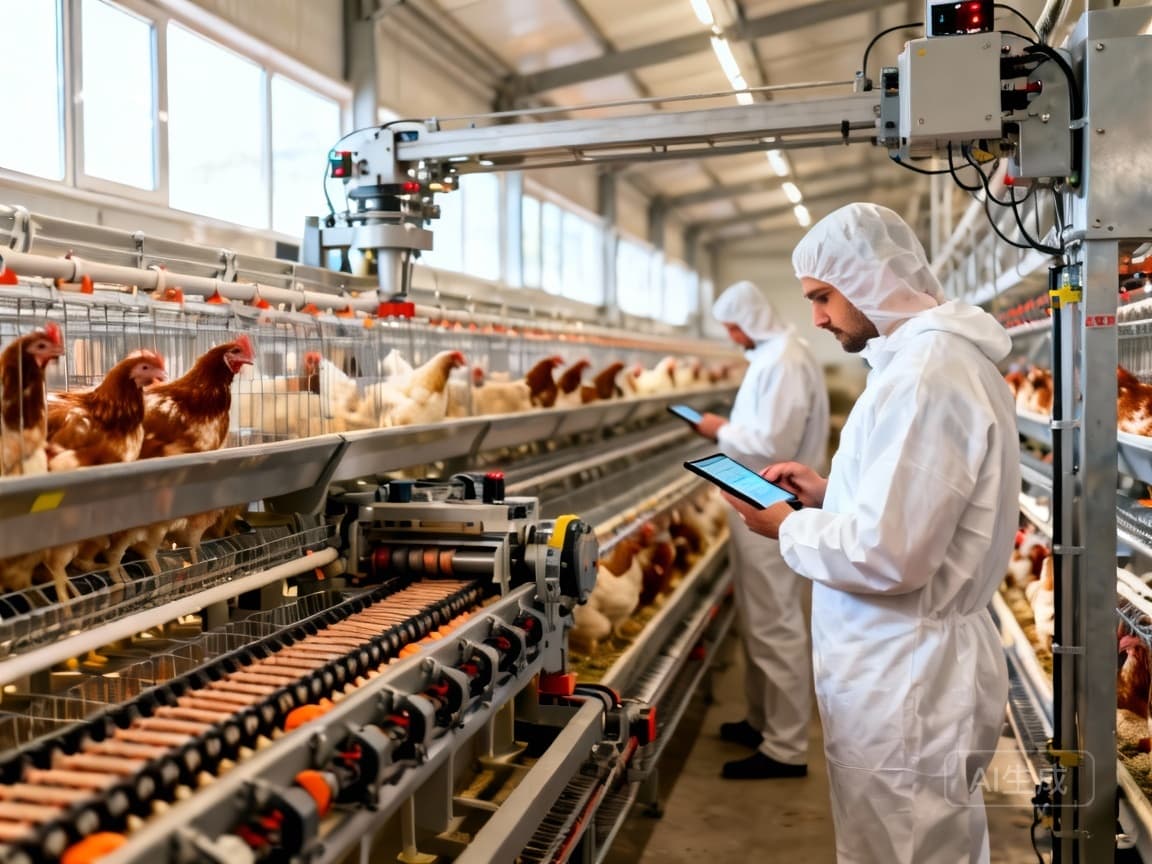
Cracking 68% of poultry automation investment failures: 3-stage framework improves ROI by 20% # 62
68% of poultry automation investments fail due to interoperability gaps. Our proven 3-phase framework delivers 20-30% ROI through 15-25% equipment utilization gains and 8-12% input savings, addressing a $4.19B market growing at 4.05% CAGR.

Avoid 68% Automation Failure: Data-Driven Poultry Equipment ROI Framework #61
68% of poultry automation investments fail due to interoperability gaps. With integration costs reaching 25-30% of budgets, phased implementation and early training reduce costs by 30% while increasing capacity by 66-900% per unit.
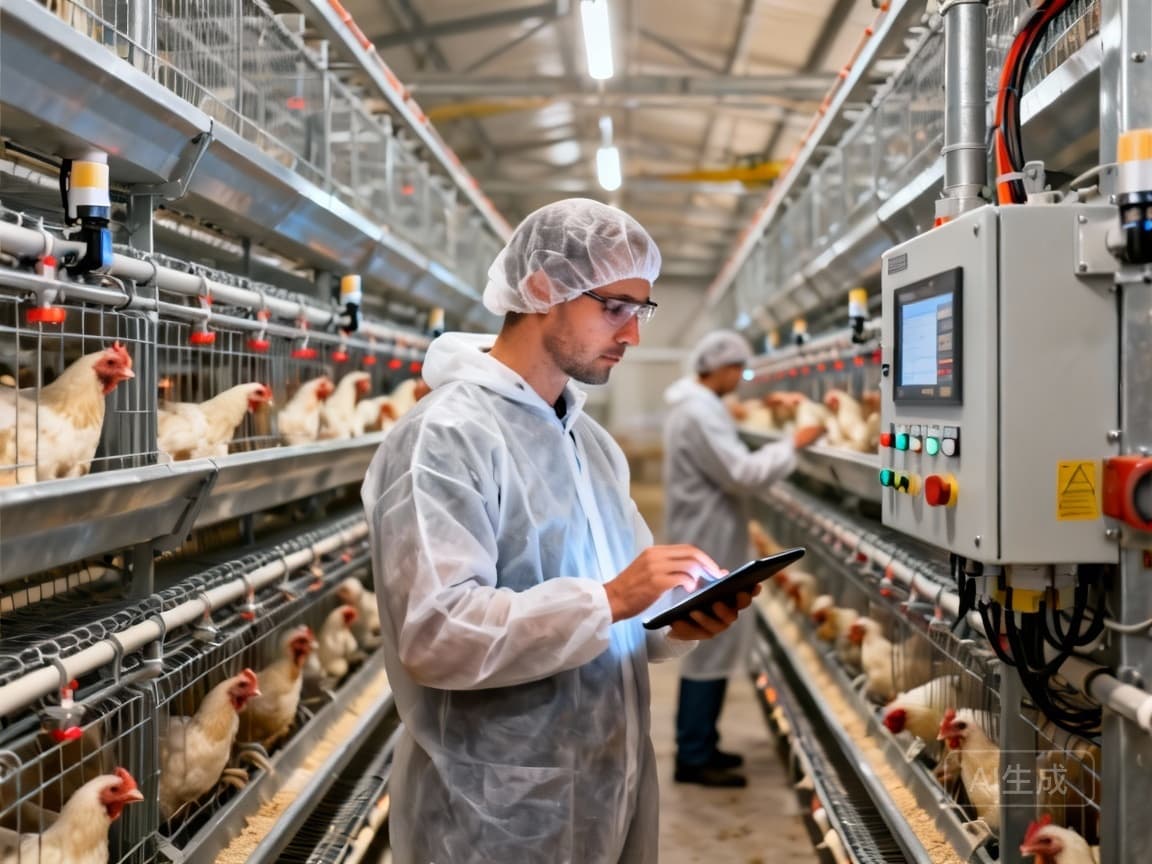
24 month poultry automation blueprint: reduce costs by 60% and avoid 68% investment failures
Top poultry producers achieve 60% maintenance cost reduction with 24-month automation blueprints, while 68% of investments fail due to interoperability gaps. Market projected to reach $682.98M by 2030 (12.20% CAGR).
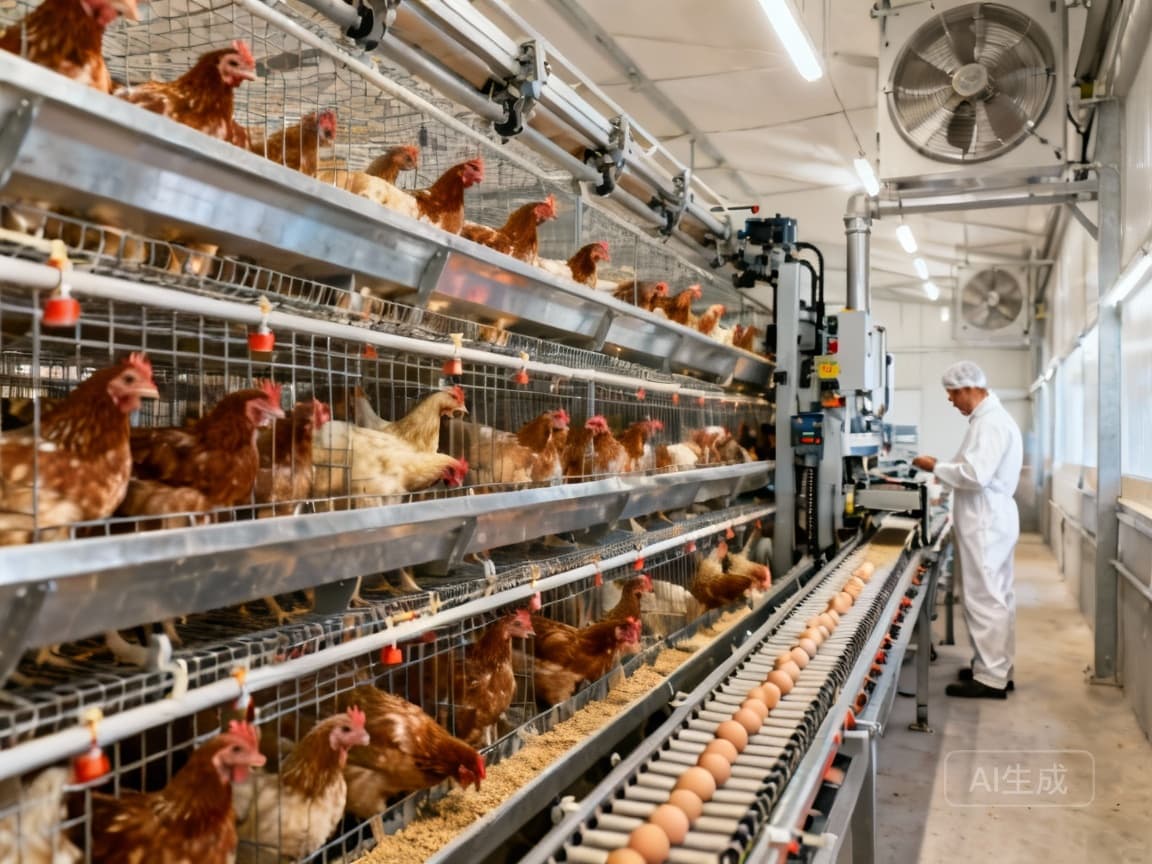
Vertical Poultry Automation: 10X Density & 60% Lower Operating Costs #59
Vertical poultry automation achieves 10x stocking density (5,000–30,000 birds/unit vs. 3,000) and 60% lower operating costs with reduced maintenance cycles (every 3–5 days vs. daily), driving a market projected to reach $682.98M.
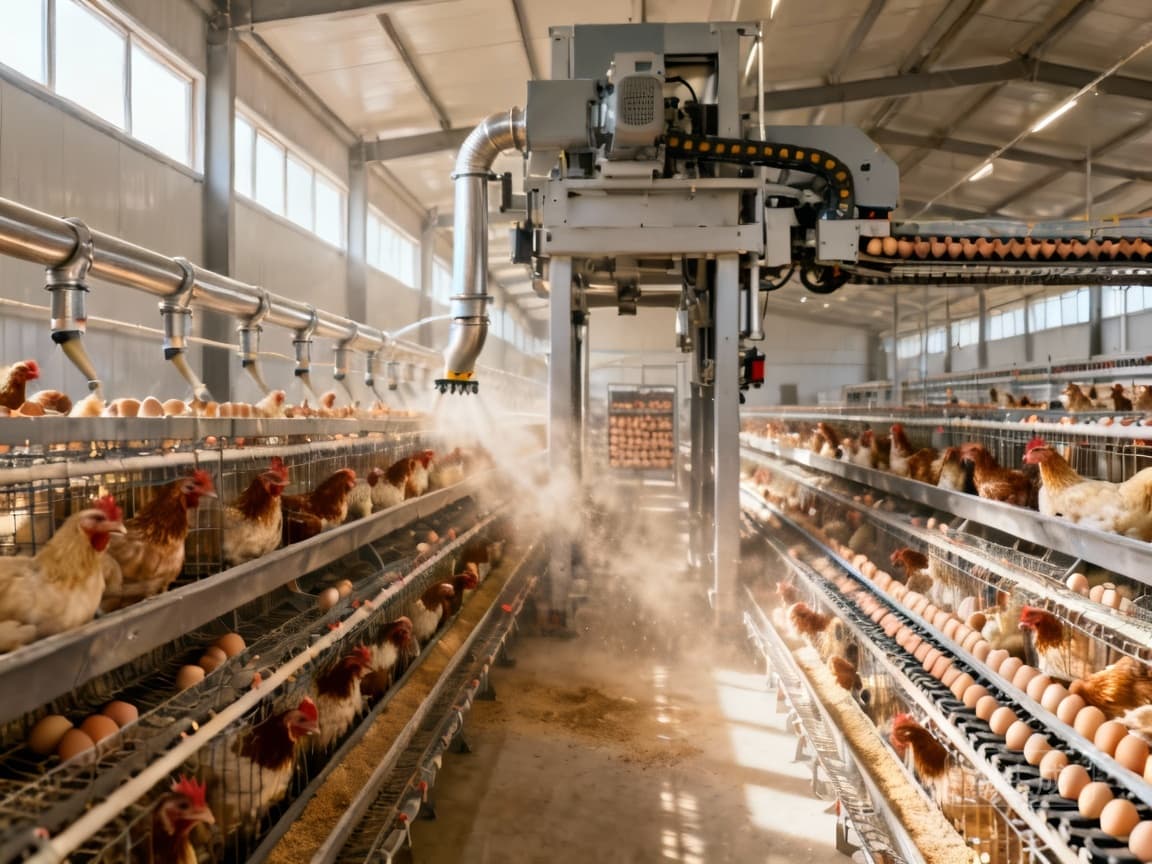
Automation ROI: 60% Lower Maintenance & 10X Capacity in Poultry Farming #58
Automation delivers 60% lower maintenance costs and 10X capacity increases (3,000 to 30,000 birds/unit), with the market projected to reach $682.98M as ROI models evolve beyond upfront costs.
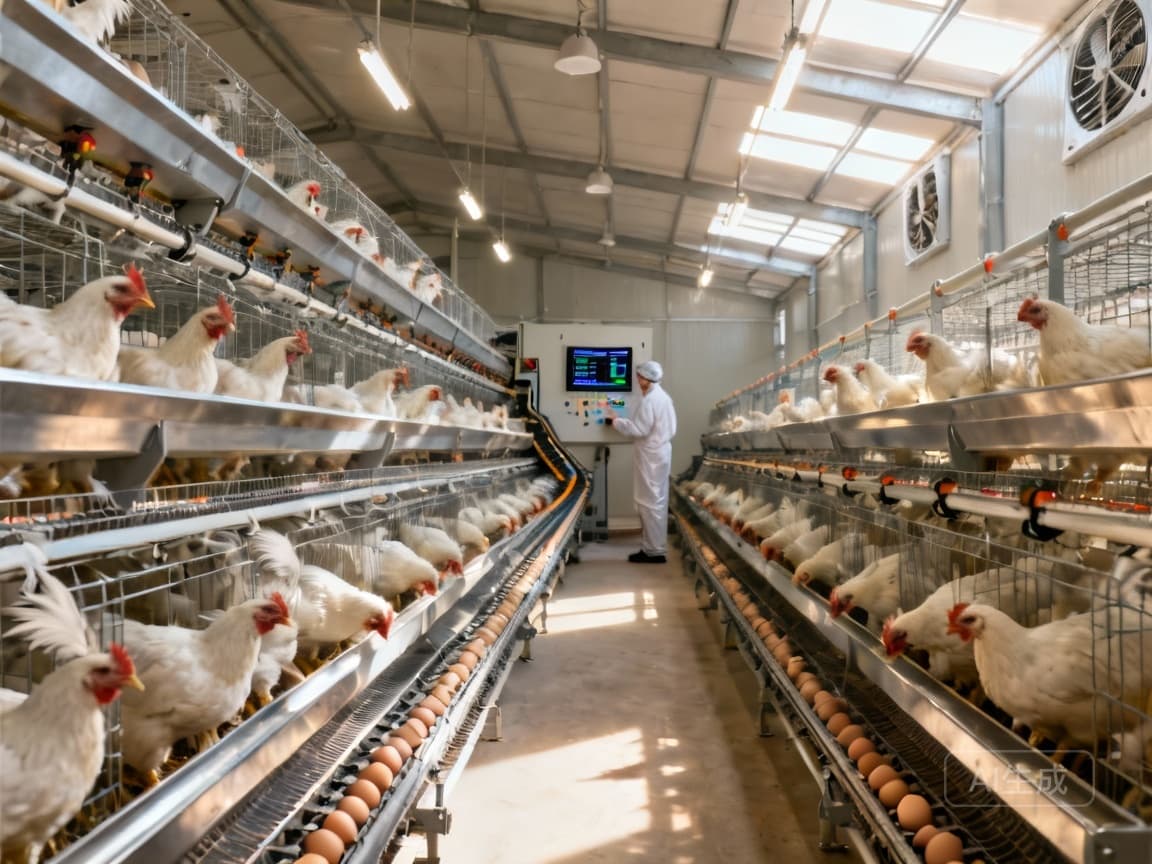
Automate Poultry Farming: 60% Lower Costs, 15-20 Year Equipment Lifespan & 12.2% Market Growth #57
Automation transforms poultry ROI with 60% lower costs and 15-20 year equipment lifespan. Market grows at 12.2% CAGR to $683M by 2025. Case study: 65k-bird farm achieves $3.4k daily revenue with $1.4M investment.
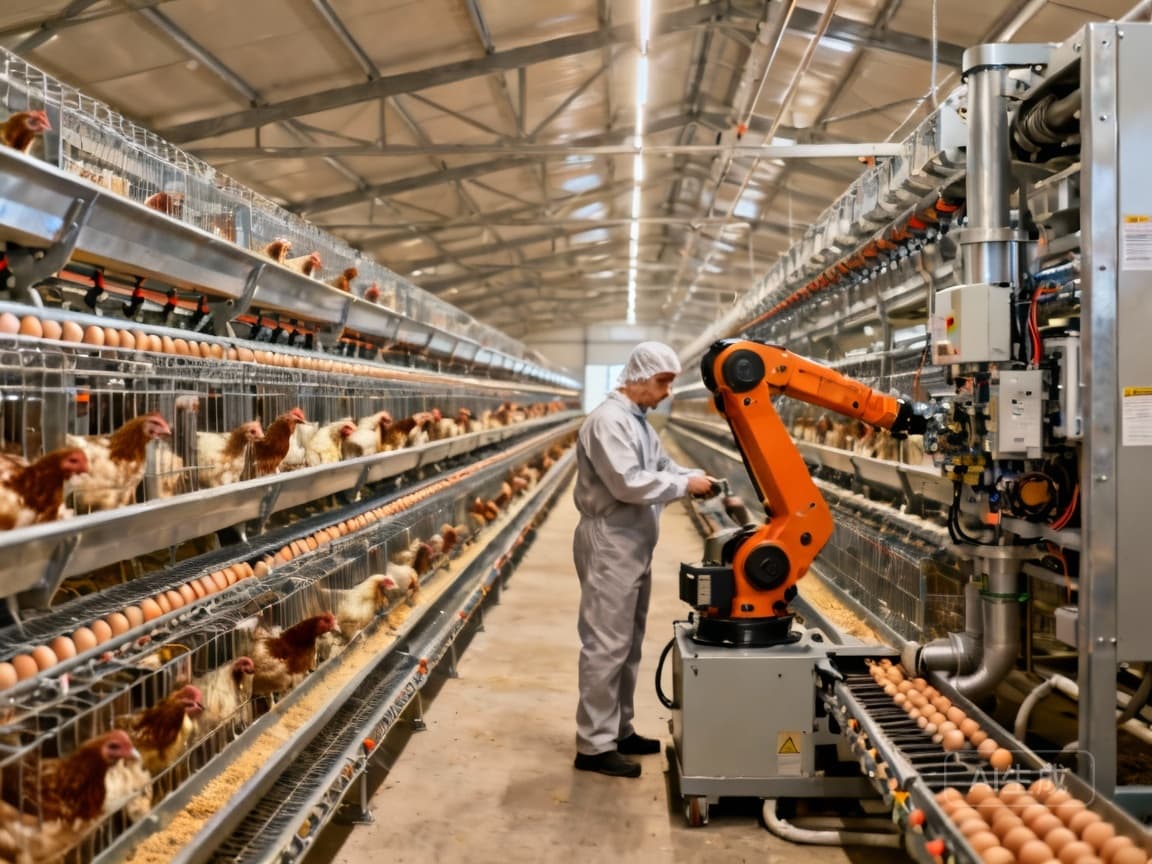
Poultry Automation: 60% Lower Maintenance & 15-20 Year Lifespan #56
Poultry automation delivers 60% lower maintenance with 15-20 year lifespan. H-Type smart cages handle 5,000–30,000 birds, reducing manual cleaning from daily to every 3-5 days. Market grows from $4.0B to $7.1B by 2035 (6.0% CAGR).