
Poultry Industry News & Insights
Latest updates from poultry farming practices and cage equipment technology
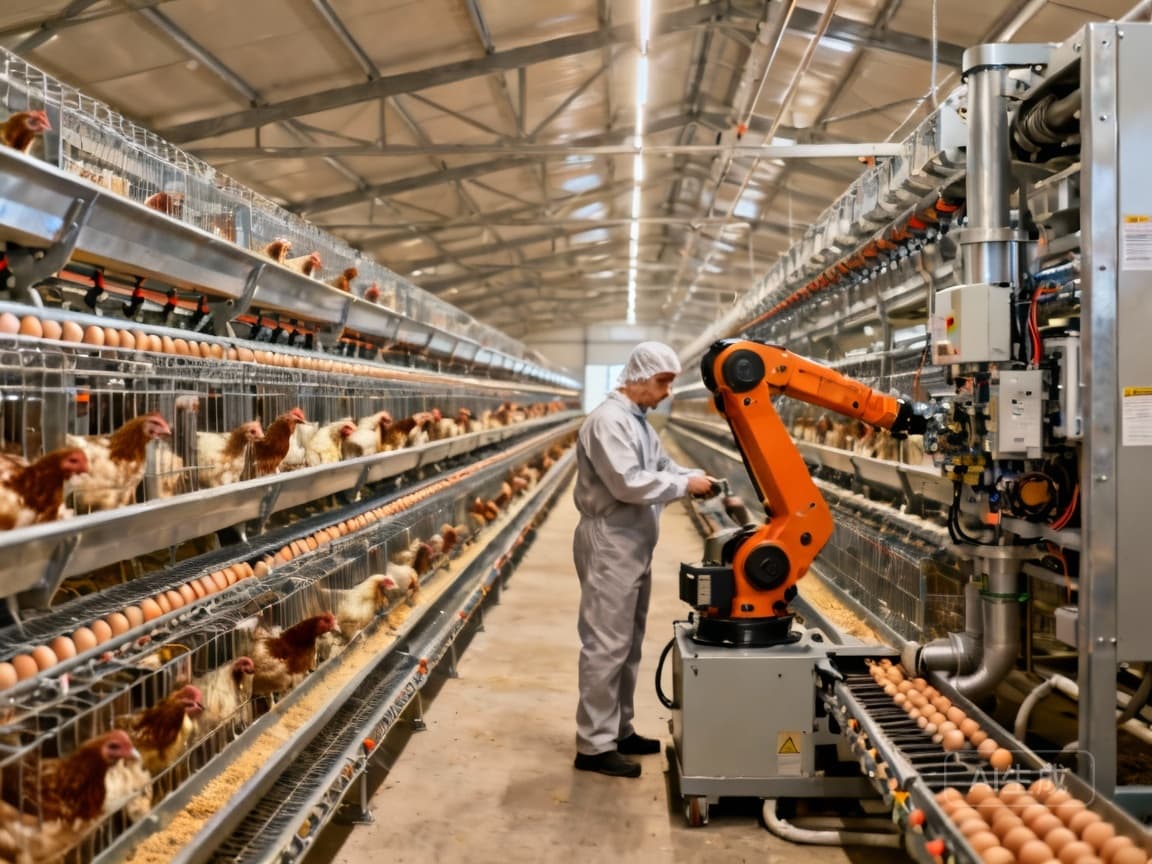
Poultry Automation: 60% Lower Maintenance & 15-20 Year Lifespan #56
Poultry automation delivers 60% lower maintenance with 15-20 year lifespan. H-Type smart cages handle 5,000–30,000 birds, reducing manual cleaning from daily to every 3-5 days. Market grows from $4.0B to $7.1B by 2035 (6.0% CAGR).
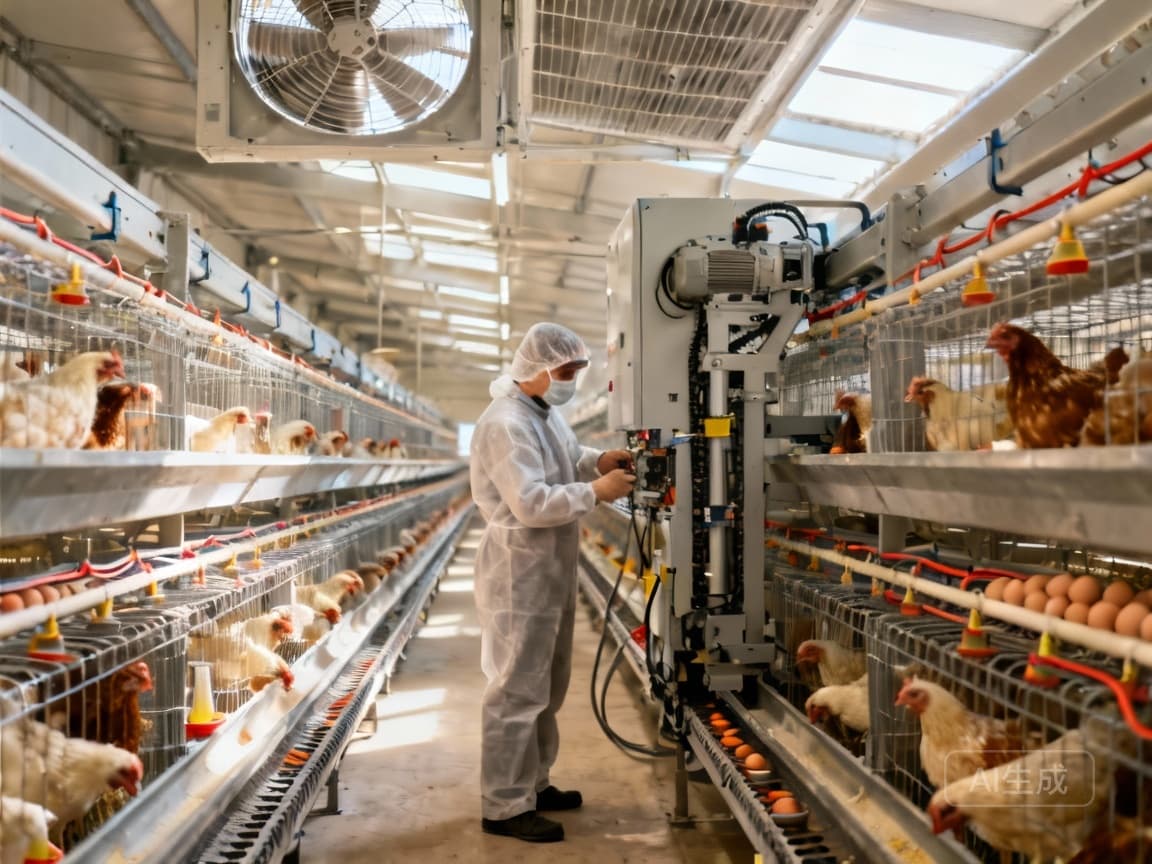
Smart Poultry Cages: 60% Lower Maintenance & 300% Longer Lifespan ROI #55
Smart poultry cages deliver 60% lower maintenance costs and 300% longer lifespan ROI, driven by engineering innovations. The market is projected to reach USD 682.98M with 12.2% CAGR, supported by real-world success like CNY 134.62M operating cash flow.

15-Year Automation Blueprint: Mid-Scale Poultry Farms Cut Labor 60% & Extend Equipment Lifespan 300% #54
Mid-scale poultry farms achieve 60% labor reduction and 300% equipment lifespan extension with modern automation. The $4.5B market grows at 4.7% CAGR, driven by scalable solutions for 6,500–30,000 bird operations.

Smart Layer Cages: 60% Lower Maintenance & 10X Density Boost ROI #53
Smart Layer Cages deliver 60% lower maintenance costs and 10X ROI via operational synergy, enabling 6.5M birds with 3.8T daily output. Market grows to $6.83B by 2030 at 12.2% CAGR.
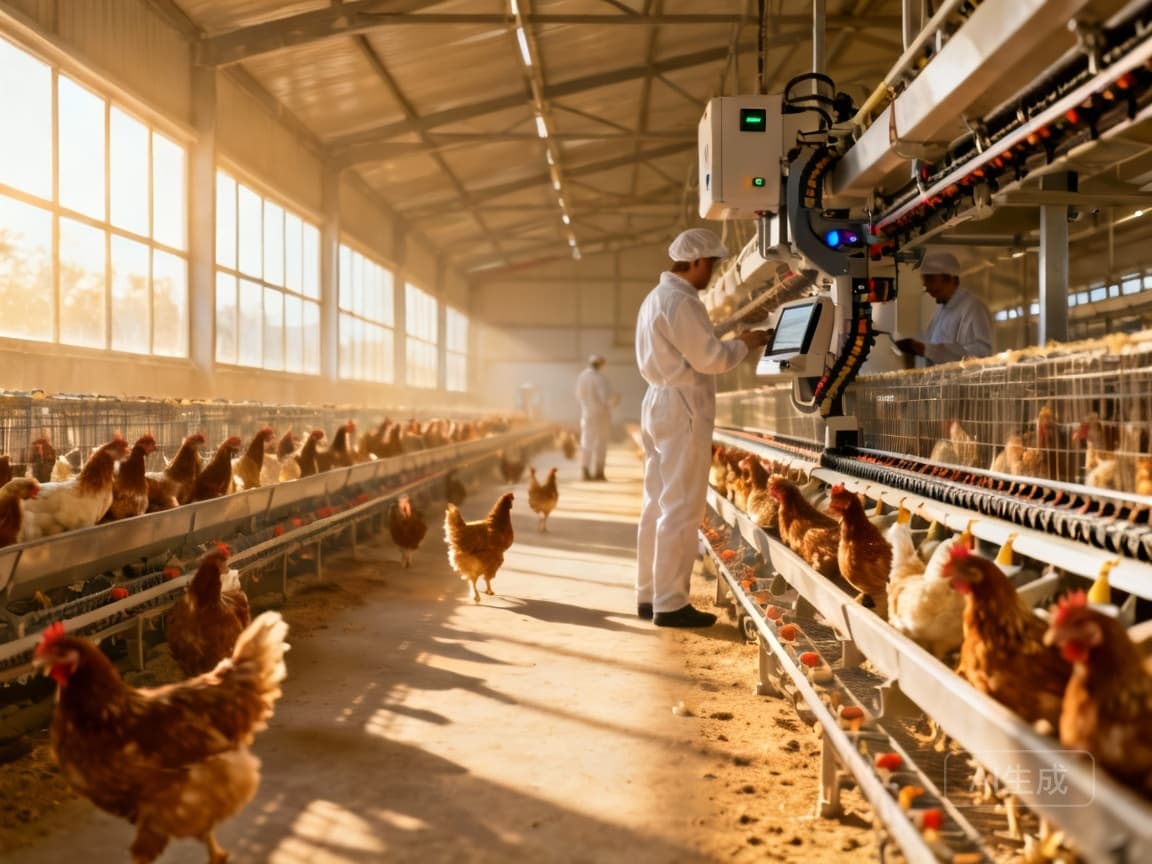
2025 Cage-Free Mandate: Automate Poultry Operations with 48% Market-Leading ROI #52
The poultry automation market hits $4.5B in 2024, with automatic systems delivering 48% revenue share and 6.3% CAGR. Driven by 2025 cage-free mandates from leaders like PepsiCo, automation ensures compliance and competitive ROI.
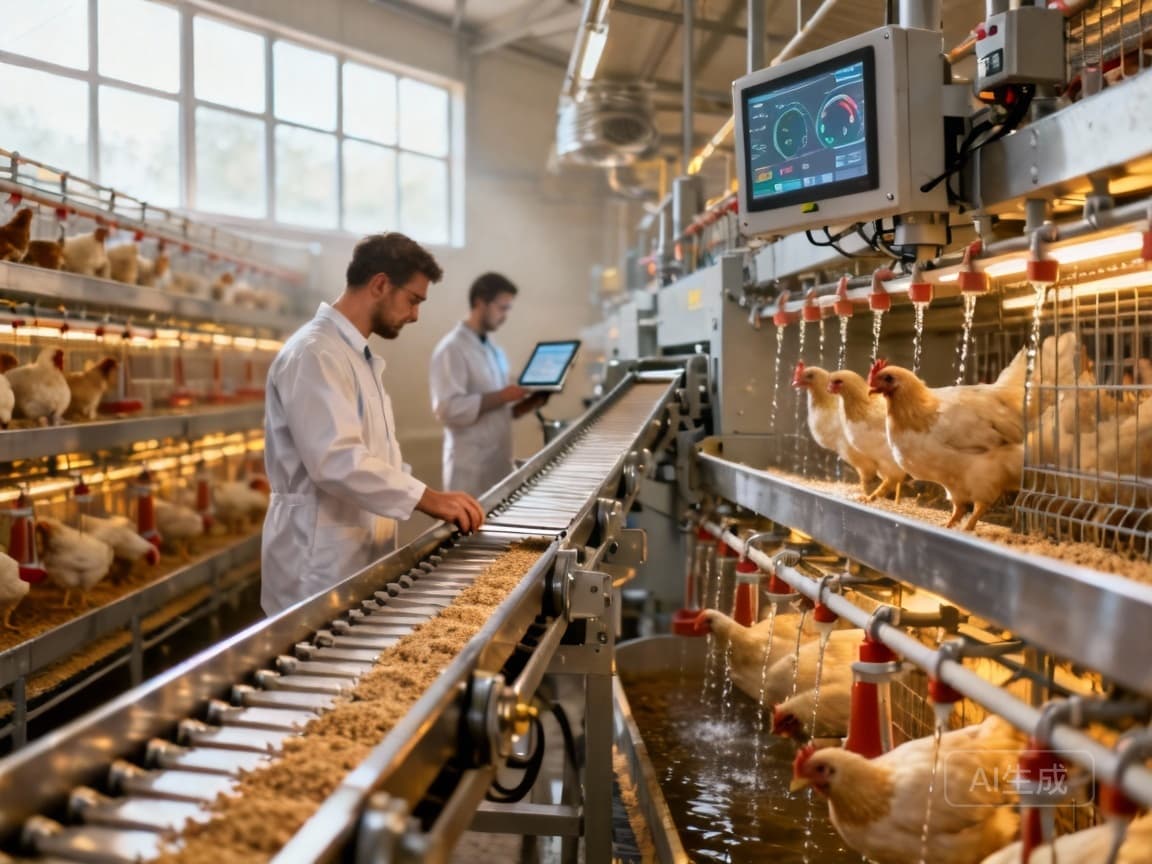
Automated Poultry ROI: Achieve 48% Market Share & 6.3% CAGR with Strategic Investment #51
Automation dominates 48% of poultry equipment market with 6.3% CAGR. Strategic investment in automated feeding/watering systems drives ROI as market expands from $4.5B to $7.1B by 2034.
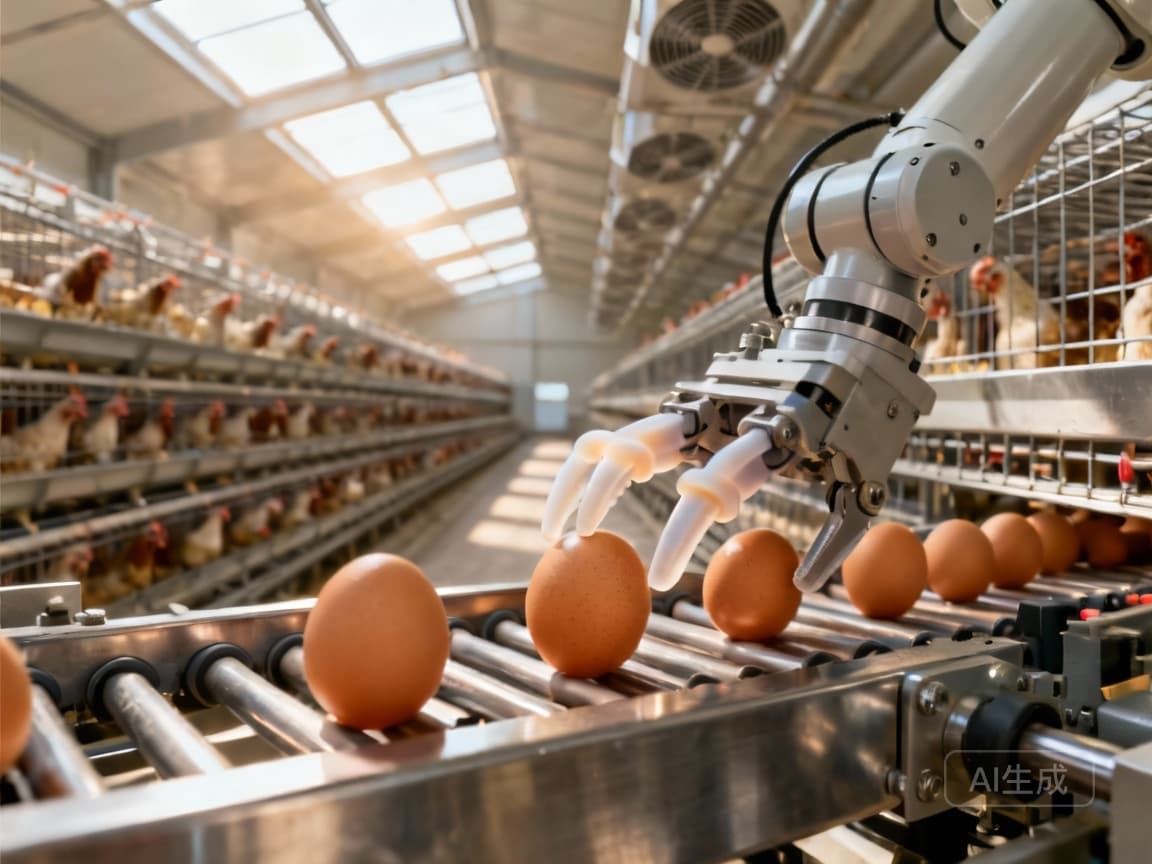
Precision Automation Boosts Poultry Efficiency by 20% & Reduces Egg Loss #50
Precision automation delivers 15-20% lower egg breakage rates with millimeter-level handling accuracy, driving the $4.5B poultry equipment market toward $7.1B by 2034 as major retailers mandate cage-free systems.
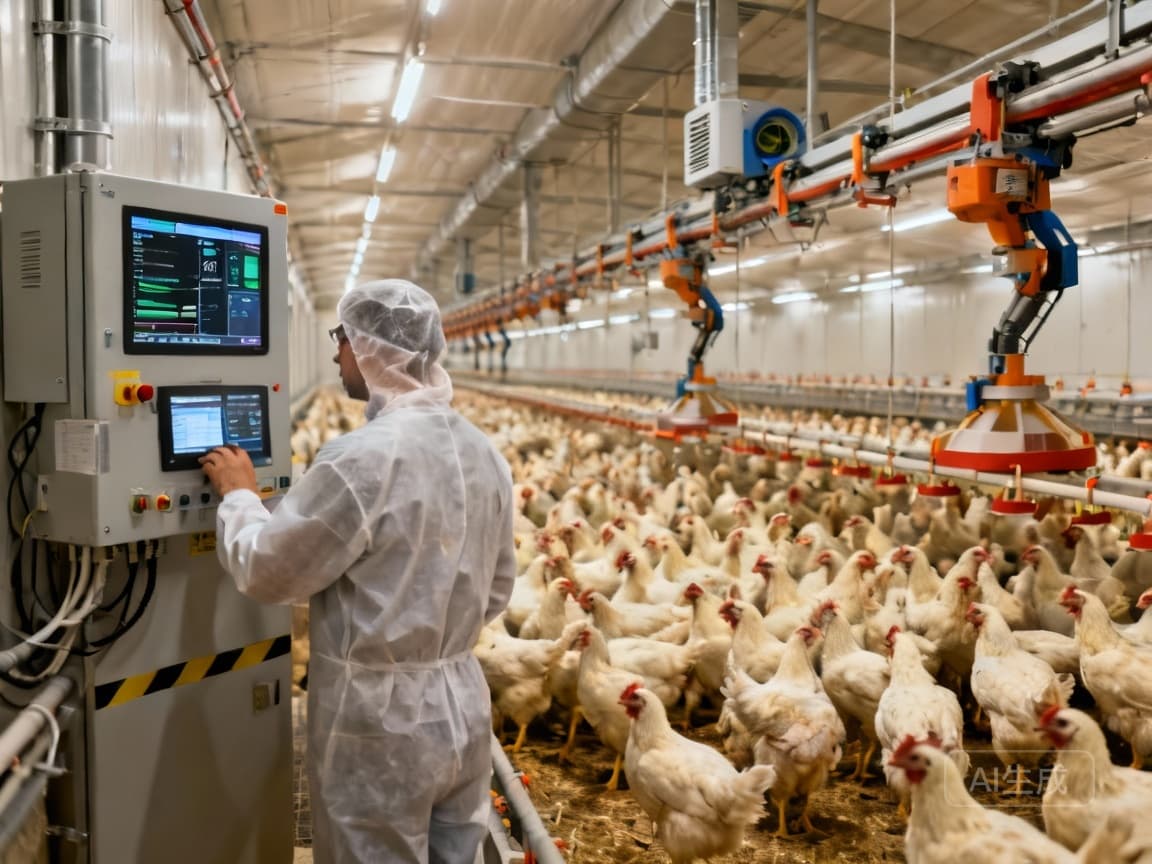
Automation ROI Beyond Labor: 45% Density Boost & 22% Energy Savings in Poultry Systems #49
Modern poultry automation delivers 45% density boost and 22% energy savings, with biosecurity automation cutting disease incidents by 62%—protecting $75K–125K per 500K-bird operation from outbreak costs.
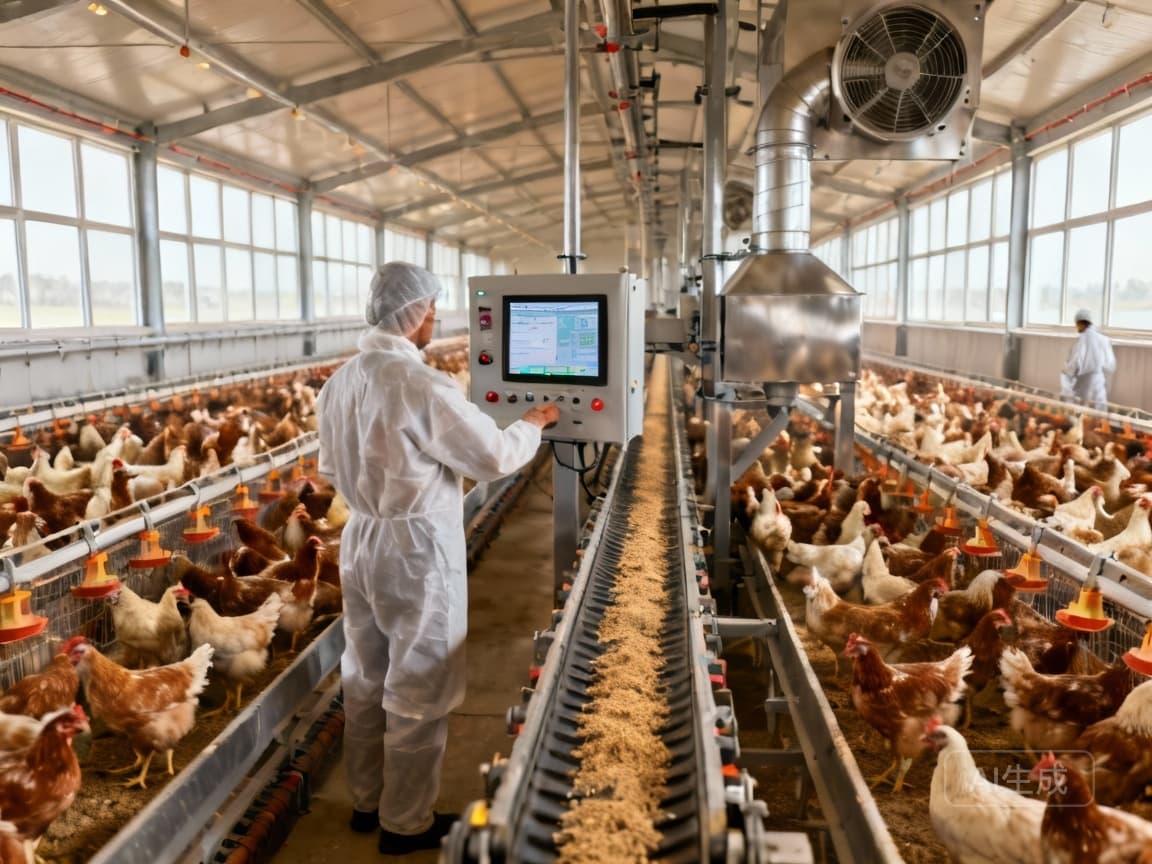
Integrated Poultry Systems Drive 48% Market Share & $1.2B Feeding Revenue #48
Poultry automation captures 48% market share by 2025, yet fragmented systems create a $1.2B efficiency gap. Integrated solutions drive 6.3% CAGR growth, delivering scalable operations like Retech's 60K-80K broiler capacity in the Philippines.