
How to Choose a Chicken Cage Manufacturer in China: 10 Questions Before You Pay a Deposit
Choosing a chicken cage manufacturer is an important decision for a poultry farm project.
For overseas buyers, the challenge is not only finding a supplier with a low price. The buyer also needs to confirm whether the supplier understands the poultry house layout, cage capacity, automation requirements, shipping process, installation preparation, spare parts, and after-sales support.
A chicken cage system is not a standard retail product. It is a project that needs to match the farm's bird capacity, poultry house dimensions, local climate, labor condition, budget, and future expansion plan.
Before paying a deposit, use the following questions to compare chicken cage manufacturers in China.
1. Can the Manufacturer Recommend the Right Cage Type?
The supplier should first understand what type of poultry farm you are planning.
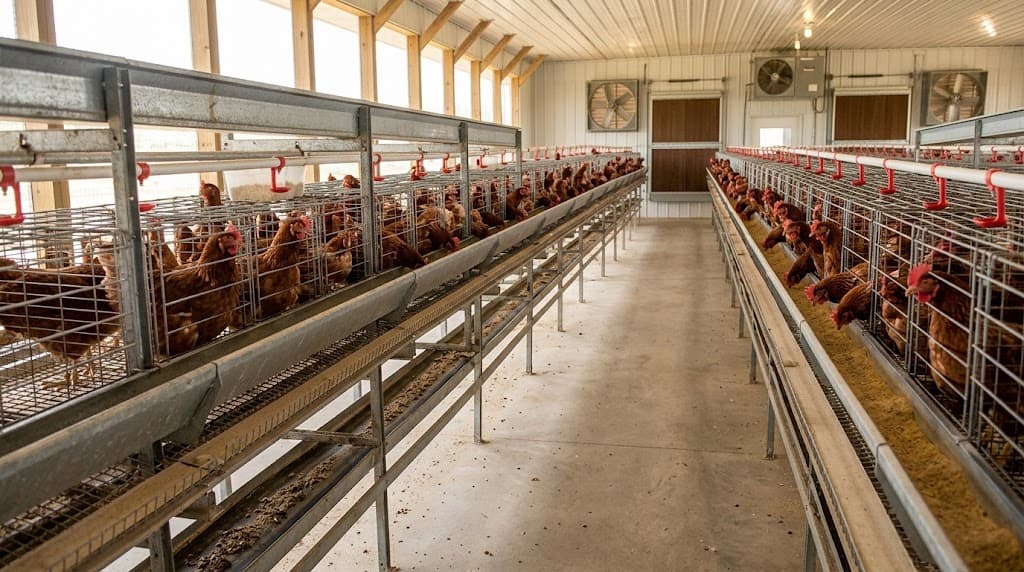
For layer farms, the most common options are A-type layer cages and H-type layer cage systems.
An A-type system can be suitable for farms that want a practical layout and lower initial equipment investment. It may be considered for open poultry houses or farms where some operations remain manual.
A-Type Layer Chicken Cage System
An H-type system can be suitable for commercial farms that want higher space utilization and more automation options.
H-Type Galvanized Layer Chicken Cage System
Before requesting a final quotation, ask the supplier:
- Which cage type is suitable for my project?
- How many cage rows are required?
- How many cage tiers are included?
- What is the designed bird capacity?
- What poultry house size is needed?
- Can the cage system be expanded in the future?
A supplier should explain the difference between cage systems instead of recommending one product without understanding the project.
2. Does the Supplier Ask for Your Poultry House Dimensions?
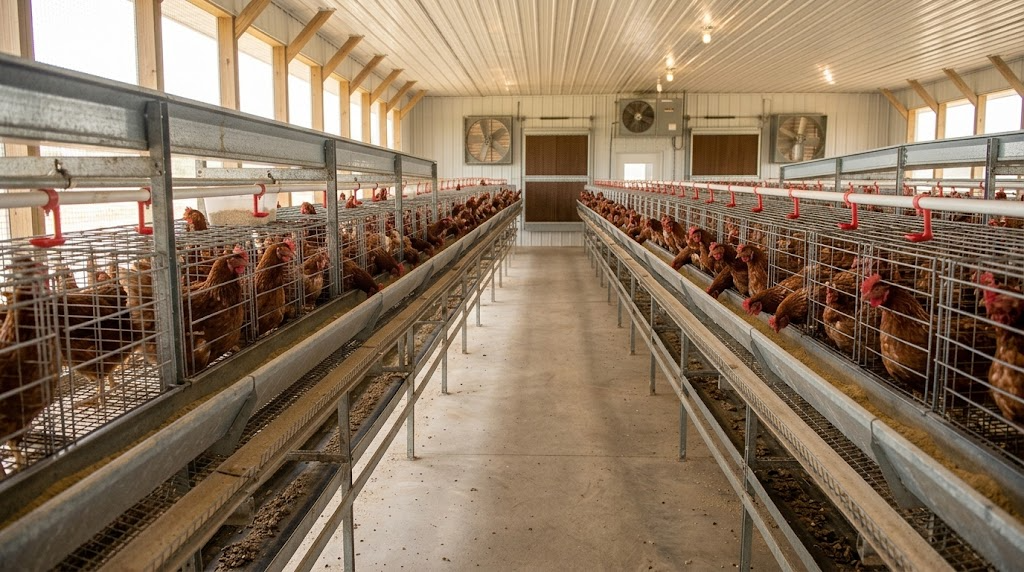
A suitable cage layout depends on the actual poultry house.
The supplier should ask for:
| Project information | Why it matters |
|---|---|
| Target bird capacity | Determines cage quantity and total equipment capacity |
| Poultry house length | Affects cage row length and equipment arrangement |
| Poultry house width | Affects cage row quantity, aisles and ventilation space |
| Poultry house height | Affects cage tier selection and ventilation planning |
| Country and climate | Affects cooling, ventilation and corrosion-protection requirements |
| New or existing house | Determines whether the layout starts from zero or fits an existing building |
| Automation requirement | Determines feeding, manure removal, egg collection and control equipment |
| Budget range | Helps match the project scope to the buyer's investment plan |
If a supplier does not ask about the poultry house dimensions, the quotation may be only a general reference rather than a project-based recommendation.
3. Can the Supplier Provide a Clear Equipment List?
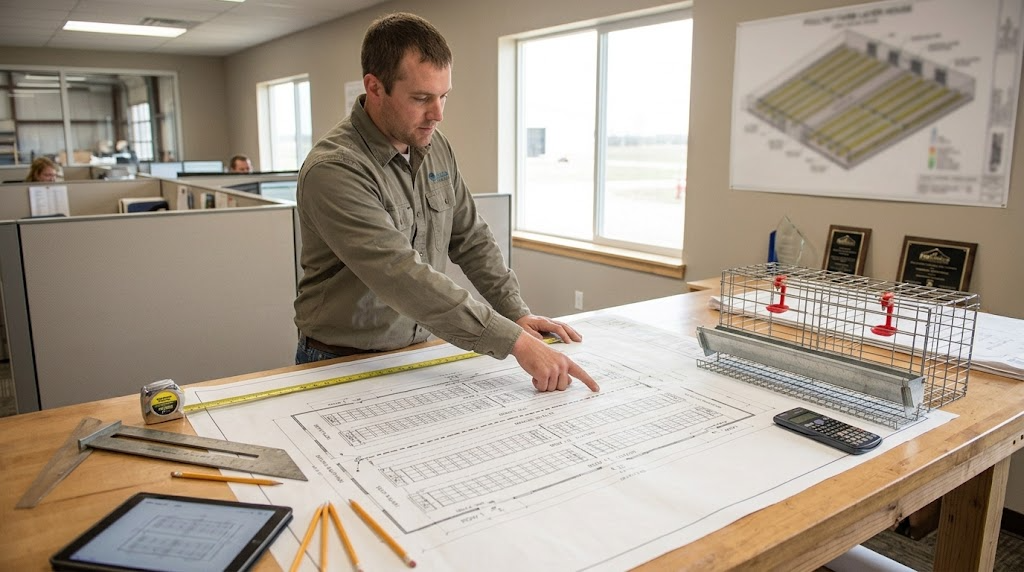
A complete quotation should not show only one total price.
It should divide the project into clear equipment sections.
| Equipment section | What should be shown |
|---|---|
| Cage system | Cage type, tiers, rows, bird capacity, frames, wire mesh and feed troughs |
| Drinking system | Nipple drinkers, water pipes, filters, regulators and connectors |
| Feeding system | Manual feeding or automatic feeding equipment |
| Manure removal | Manual cleaning arrangement or manure belt system |
| Egg collection | Manual collection or automatic egg collection equipment |
| Environmental control | Fans, cooling pads, air inlets, controllers and accessories |
| Spare parts | High-wear components, clips, connectors and replacement parts |
| Documents | Layout drawing, packing list, installation guidance and equipment list |
A clear equipment list makes it easier to compare quotations from different suppliers.
4. Does the Quotation Clearly Show the Automation Level?
Two quotations for the same bird capacity can be very different because one quote may include only cages, while another quote includes automation equipment.
For example, automatic feeding equipment may include a feeding machine, track, motor, feed troughs, supports, and control components.
Automatic Poultry Cage Feeding Machine
The supplier should explain whether the project includes:
- Manual feeding or automatic feeding
- Manual manure cleaning or automatic manure removal
- Manual egg collection or automatic egg collection
- Basic ventilation or a complete climate-control system
- Electrical control components
- Equipment for future expansion
Do not compare two prices until you confirm that both quotations include the same equipment scope.
5. Can the Supplier Explain Material and Galvanizing Options?
The cage structure, wire mesh, support frames, and corrosion protection are important parts of a chicken cage project.
Before paying a deposit, ask the supplier to explain:
- Cage wire material
- Support frame material
- Cage structure configuration
- Galvanizing method
- Fasteners, clips and connectors
- Which parts are included in the main cage system
- Which parts are packed separately
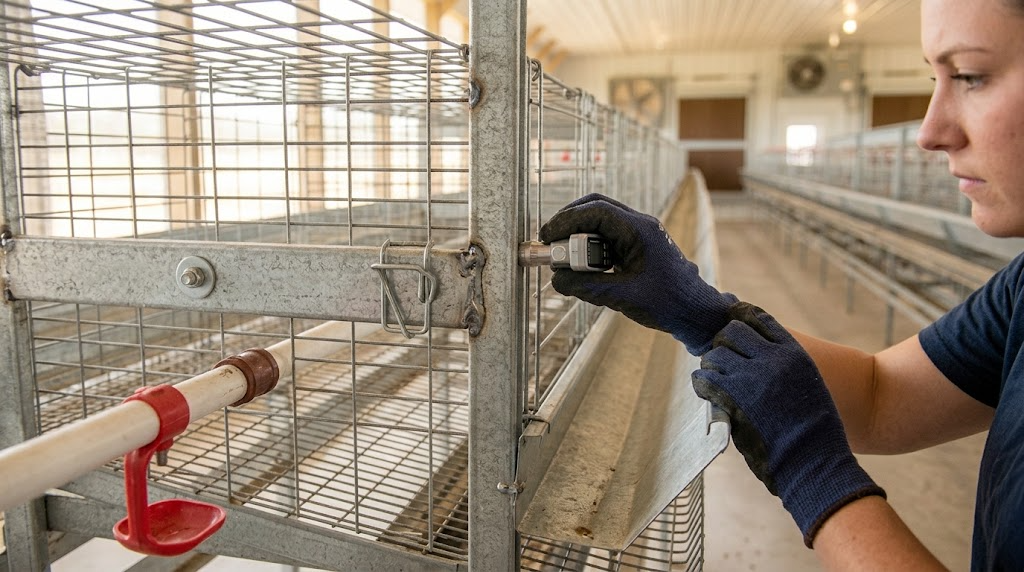
Buyers should request close-up photos or videos of cage wire, welded joints, frames, feed troughs, support legs, and connection points.
A clear product description is more useful than a general statement such as “high quality chicken cage.”
6. Does the Supplier Understand Manure Removal and Egg Collection?
For commercial layer farms, manure removal and egg collection can significantly affect farm labor and daily management.
Automatic Manure Belt Removal System
Vertical Egg Collection System for Layer Cages
Ask the supplier:
- Is manure cleaning manual or automatic?
- Does the quotation include manure belts, motors and discharge components?
- Is egg collection manual or automatic?
- Does the quotation include egg belts, elevators, transfer parts and motors?
- Does the poultry house layout reserve enough space for these systems?
- Can the farm add automation equipment later?
A supplier should be able to explain how these systems fit into the poultry house layout.
7. Can the Supplier Prepare a Layout Drawing Before Production?
A layout drawing is one of the most important documents for a poultry equipment project.
Before production, the buyer should ask for a drawing that shows:
- Poultry house dimensions
- Cage row quantity
- Cage row length
- Cage tiers
- Main aisle and side aisles
- Drinking system routing
- Feeding machine position
- Manure discharge direction
- Egg collection direction
- Motor and control box location
- Ventilation equipment position
- Door position and installation access
A proper layout drawing helps prevent problems such as cage rows that do not fit the house, narrow working aisles, missing equipment space, or difficult installation.
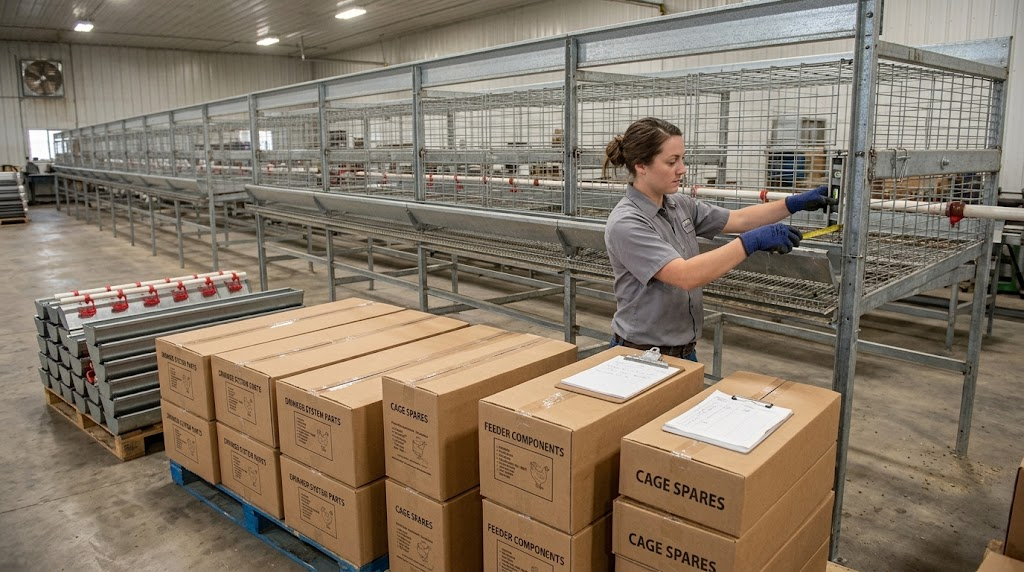
8. What Quality Inspection Can the Supplier Provide Before Shipment?
Before the final balance is paid, buyers should check whether the equipment matches the quotation and layout.
Ask the supplier to provide photos or videos of:
- Finished cage system
- Cage wire and frame details
- Drinking system parts
- Feeding machine and accessories
- Manure belt components
- Egg collection equipment
- Motors and electrical components
- Spare-parts packages
- Packing labels
- Container loading process
- Final loaded container
The buyer should compare the final quotation, equipment list, packing list, and inspection records before the shipment is loaded.
9. Can the Supplier Explain Shipping and Packing Clearly?
For overseas buyers, shipping preparation is part of the project.
Before the container is loaded, ask:
- What container type and quantity are needed?
- Is there a complete packing list?
- Are packages clearly labeled?
- Are electrical parts packed separately?
- Are spare parts listed and packed separately?
- Are loading photos or videos available?
- What shipping term is used: EXW, FOB, CFR, CIF, or another agreed term?
- What is included in the shipping scope?
- What should the farm prepare before equipment arrival?
A supplier should help the buyer understand the equipment packing and container loading plan.
10. What After-Sales Support and Spare Parts Plan Are Available?
After-sales support should be discussed before payment, not only after equipment arrives.
The buyer should ask:
- What installation documents are included?
- Is an equipment list available?
- Is a packing list available?
- Is a spare-parts list available?
- What guidance is available for installation?
- What information should the buyer provide if a technical question occurs?
- How can the buyer identify replacement parts?
- What maintenance information is available for daily operation?
A good spare-parts plan can include components such as nipple drinkers, pipe connectors, cage clips, bolts, feeding system wear parts, manure belt parts, egg collection parts, and selected electrical accessories.
Questions to Send to a Chicken Cage Manufacturer
Before paying a deposit, buyers can send the following message:
Hello, I am planning a poultry farm project. Country: [Country] Target bird capacity: [Quantity] Poultry house size: [Length] m × [Width] m × [Height] m Farm type: [New project / Existing house upgrade] Preferred cage type: [A-type / H-type / Need recommendation] Required automation: [Feeding / Manure removal / Egg collection / Ventilation] Target purchase date: [Date] Please send a suitable cage layout, equipment list, quotation, shipping plan and spare-parts recommendation.
Final Recommendation
The right chicken cage manufacturer should not only provide a product price.
The supplier should understand your poultry house, recommend a suitable cage system, provide a clear equipment list, explain the automation scope, prepare a layout drawing, support pre-shipment inspection, explain packing and shipping, and provide a clear spare-parts and support plan.
Before paying a deposit, compare suppliers based on the complete project scope, not only the lowest quotation.
Send us your poultry house size, target bird capacity, country, and required automation level.
Want to know more?
Get in touch with us for more information about our services and products.