
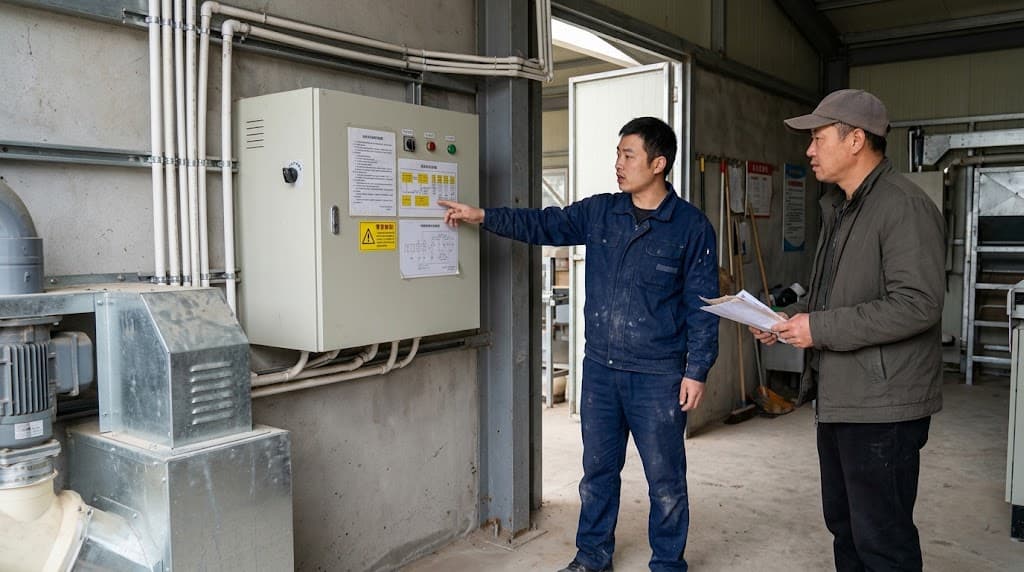
Layer Farm Equipment Handover Checklist After Installation
After installation, the farm, supplier, and installer need a record that explains what was provided, what was inspected, and what else needs to be noted. A feeder that completes one trip or a conveyor that moves during the demonstration process cannot answer all three questions.
For automatic feeding, egg collection, and manure removal, organize handover around equipment lists, transfer points, record results, and highlight work.
1. Match the installation with the equipment list
Starting from the final quotation, equipment schedule, layout, and agreed upon changes. Determine the model and quantity of installation, and then mark the equipment provided by all parties.
Check the host and its supporting components: hopper, track, bracket, driver, conveyor, control device, and connecting components (if any). For upgrades, mark existing devices that are still in use.
Use three entries for each difference:
- Expectation: What is specified in the agreed document, including its revisions.
- Installed: What is on site, location or equipment reference.
- Action: Who will resolve the disagreement, and what evidence will end the disagreement.
For example, if the scope includes a transverse conveyor but has not yet been installed, record it as an unfinished delivery project, rather than viewing the operation of the host as the completion of the entire system.
2. Lay the foundation for trial records
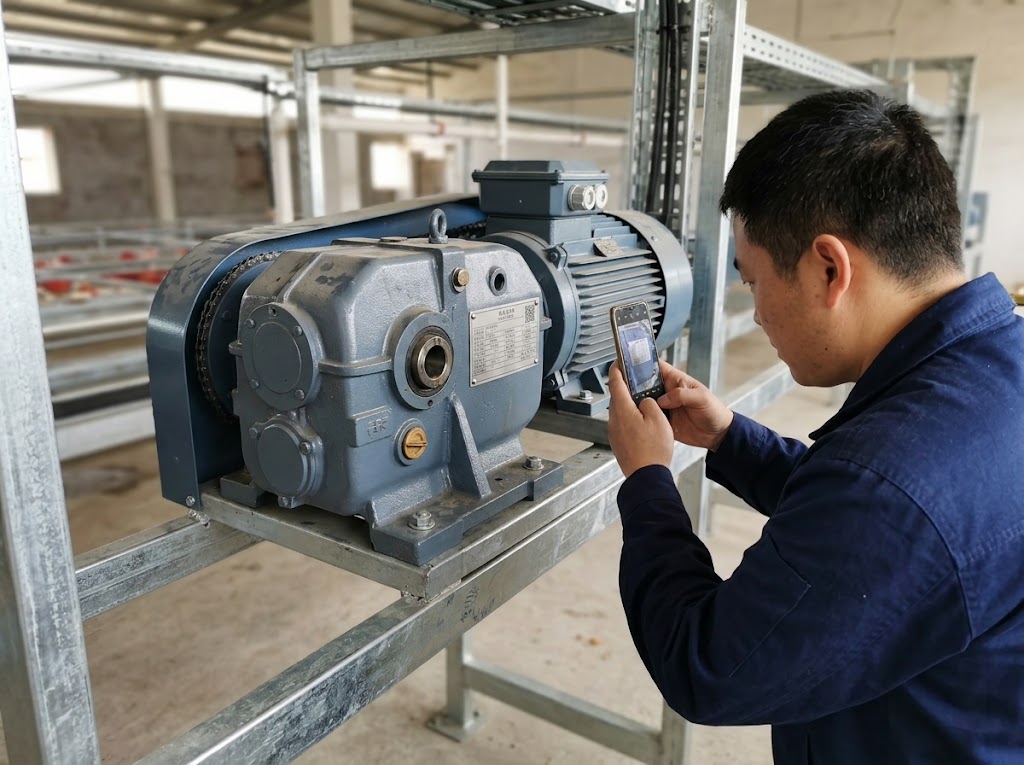
Agree on which equipment, inspection results, and judgment methods to evaluate before the operation demonstration. Use model specifications and project agreed upon standards.
Installation personnel and personnel with relevant mechanical, electrical, and control capabilities should establish readiness and appropriate verification sequences. Keep farm workers away from mobile devices; According to the applicable procedures, adjustments, fault simulations, and protection function checks belong to responsible, capable, and authorized technical personnel.
For each experiment, record:
| Record Field | Input Content |
|---|---|
| Equipment | Model, Unit Reference, Location, and Configuration |
| Conditions | Materials used, related settings, and connected equipment |
| Review Basis | Drawings, Instructions, or Agreed Standards and Their Revisions |
| Observation | Inspection Content, Results, and Evidence Reference |
| Decision | Meets, does not meet, or has not been validated standards, and indicate the name of the reviewer |
If there are no agreed upon standards for performance projects, they will not be verified until both parties have established a foundation. Catalog capacity or ad damage rate should not automatically become acceptance limits for projects.
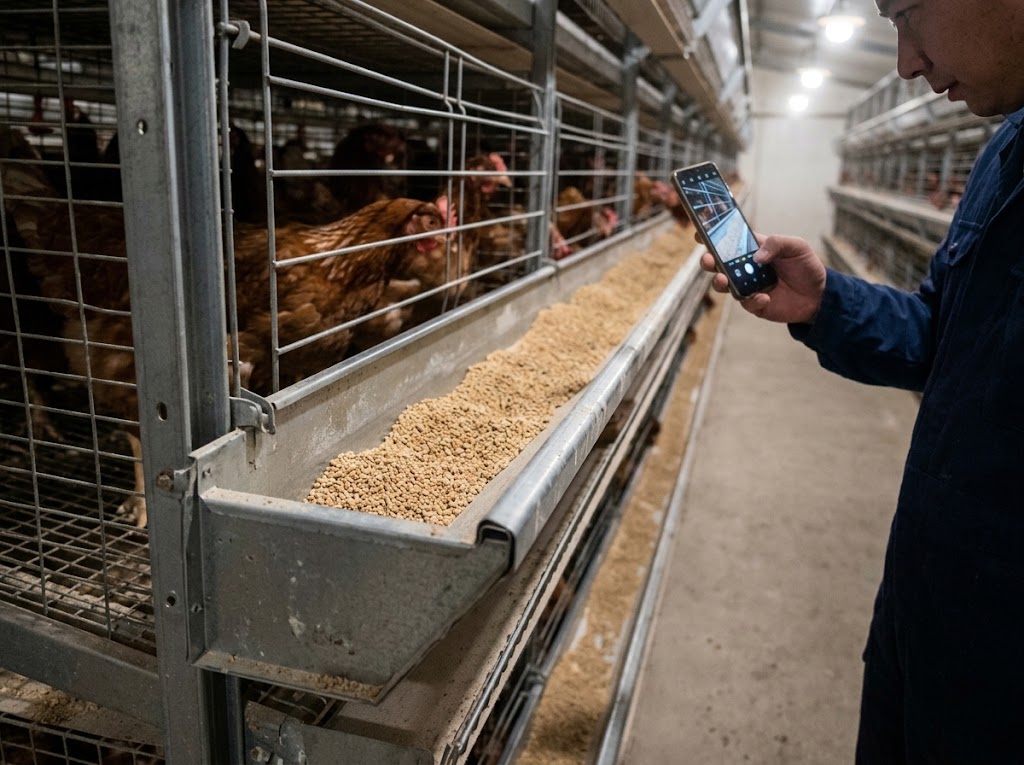
3. Automatic feeding: Check coverage and delivery status
For the elevated mobile feeder, mark the feed inlet point, travel route, and the cage and layer it is intended to serve.
The handover record should answer:
- Does the installed power supply connection match the agreed upon arrangement?
- What slots, rows, and layers were covered in the approved experiments?
- Have any missed delivery points, overflow or interruptions been observed, and where are they located?
- If the quantity or distribution of feed is an agreed upon performance item, what metrics support this result?
Accurately identify location: house, row, floor, and section. The missing feed at the remote end of the second line and third layer provides a clear issue that needs to be investigated for the installation program; Poor feeding is not the case.
Separate the itinerary inspection from the feed delivery results. The completion of the route confirms the observed movement, and any claims regarding quantity or distribution require agreed upon measurement and recording conditions.
4. Egg retrieval: Check each transfer point
For the Vertical Egg Collection System, draw a route map from the cage egg conveyor through the lift to the collection platform or cross conveyor. Mark the supplier responsible for each connection.
Record which transfers were evaluated and where the eggs accumulated, movement was interrupted, or damage was observed. The results of the elevator should not be recorded as acceptance of individually supplied packaging lines.
If the yield or egg damage is part of the agreement, the observation period, counting method, and sample should be determined before the experiment. Record the condition of incoming eggs and the observation results of related downstream points. The technical team needs these conditions before attributing damage to a specific transfer or machine.
Useful evidence can determine location, time, equipment configuration, and observation points. Isolated photos without this information may show damage, but their source has not been resolved.
5. Fecal removal: Follow the route to the receiving point
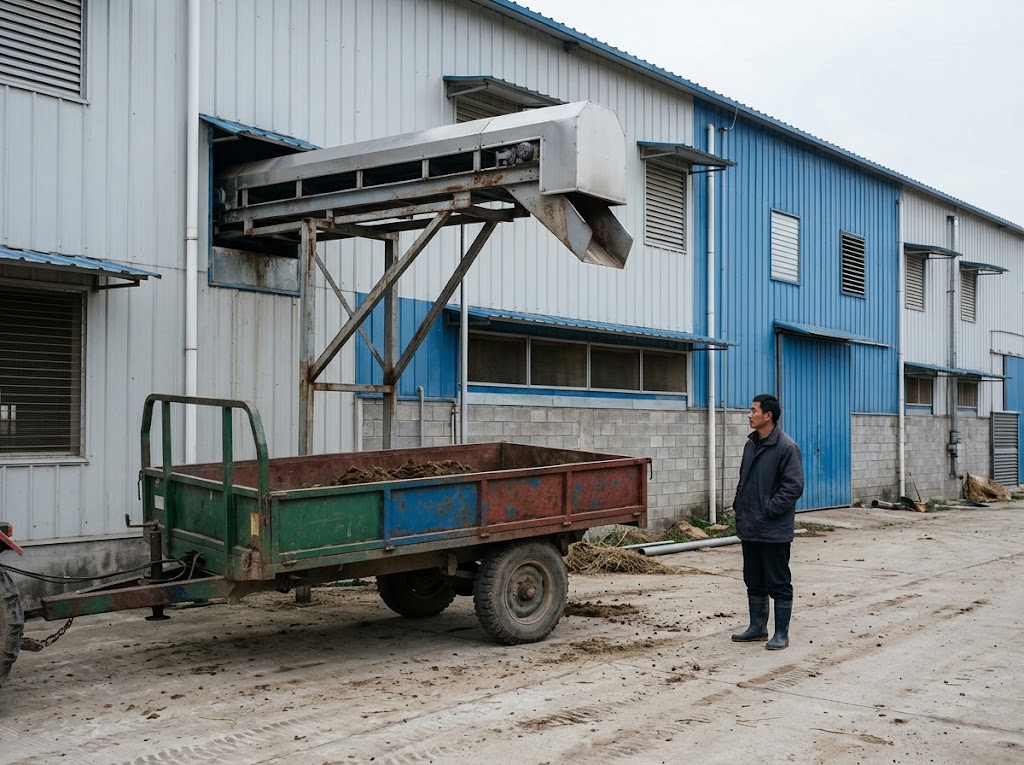
For the Belt Fecal Removal System, please determine the included layer belts, discharge devices, horizontal or inclined conveyors, and external receiving points.
Compare the layout and supply boundary to check the route. If the farm provides receiving pits, trailers, or storage devices, please indicate responsibility on the same record.
During the agreed upon verification activities, record:
- The hierarchy and transition stages of evaluation.
- Observe the conditions of discharge.
- Any accumulation, overflow, or interruption and their location.
- Any downstream stage that remains disconnected or unverified.
Do not close the entire route due to the movement of a single seat belt. Keep unfinished downstream connections visible as open items and indicate their responsible parties and necessary follow-up actions.
6. Collect control, documents, and training records
Compare the installed controls with the features included in the agreed configuration. Record the verified functions and attach the investigation results of the responsible technical personnel. The term 'automatic' does not imply the inclusion of alarm, interlock, remote connection, or restart functions.
Check the actual files and training included in the order:
- Final equipment list and current drawings.
- Operation and maintenance instructions.
- Electrical or control information within the agreed supply scope.
- Test and inspection records.
- Spare parts reference.
- Training theme, participants, and any further guidance required.
For each deliverable, record its version, recipient, and delivery status. Attending training courses should not be seen as evidence of a person's ability to complete every maintenance or electrical task.
7. Close each open project with evidence
Keep an open project list shared by farms, suppliers, and installers.
| Field | Required field |
|---|---|
| Project and Location | Equipment Reference and Accurate Issues |
| Agreement basis | Relevant drawings, instructions or supply requirements |
| Responsible party | Designate the individual or organization to solve the problem |
| Required actions | Repair, completion, clarification, or document delivery |
| Target date | Agreed date for action |
| Close evidence | Records, files, or duplicate verification are required |
| Review Results | Who reviewed the evidence and whether the project has been closed |
Don't mark a project as completed just because you promised follow-up visits. Record completed actions and evidence of review.
Apply the agreed upon handover process of the project to the results and remaining projects. Before the affected activities are carried out, safety issues need to be evaluated by responsible professionals. Signing the delivery list does not replace necessary technical review or authorization operations.
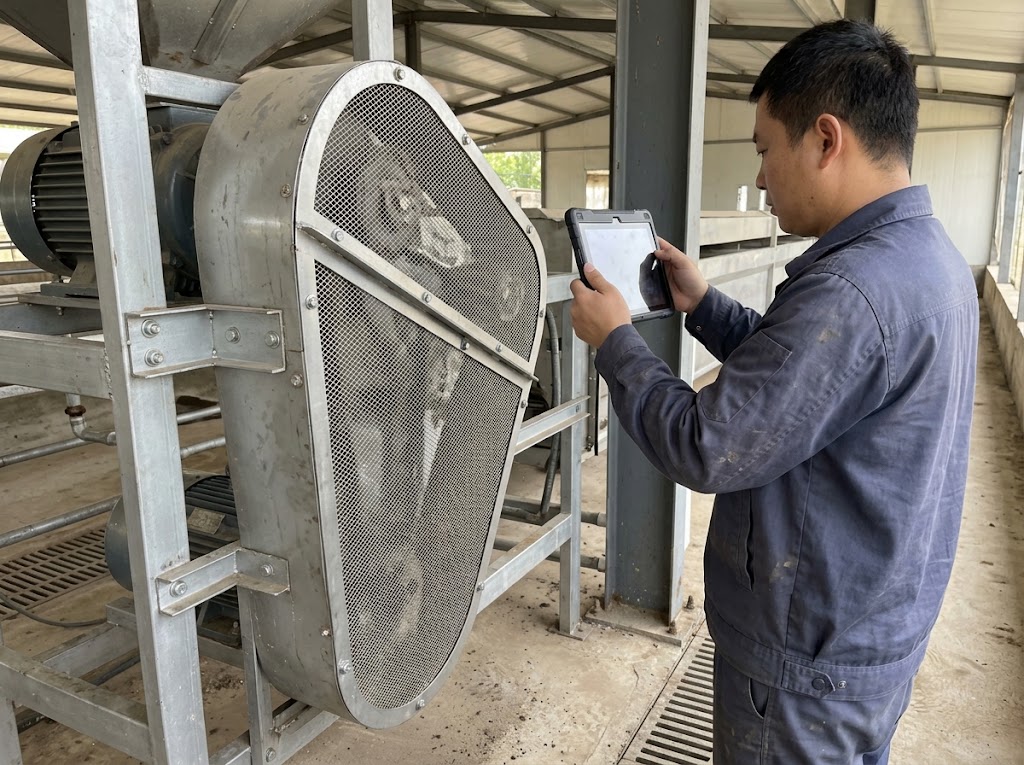
Prepare to hand over the package
Summarize the final equipment list, layout, test records, delivery documents, and outstanding items list. The packaging should display which items meet the agreed standards, which do not, and which have not been verified.
For new installations or upgrades, send project consultation , including farm location, house layout, equipment range, and any existing models to be retained.
Want to know more?
Get in touch with us for more information about our services and products.