
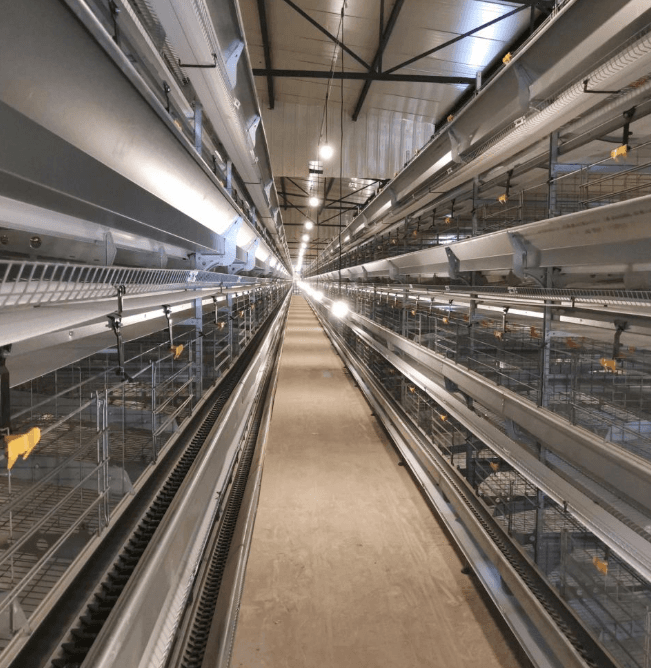
How Much Does a Layer Cage System Cost? A Practical Guide to Equipment and Project Pricing
The price of a layer cage system depends on much more than the number of cages. A commercial poultry farm quotation may include the cage structure, automatic feeding, nipple drinking, manure removal, egg collection, ventilation, electrical control, installation support and spare parts.
This is why two suppliers may offer very different prices for what appears to be a similar layer cage system.
Before comparing a quotation, buyers should confirm exactly what equipment and services are included. A lower initial price may exclude important components that are needed to operate the poultry farm.
What Is Included in a Layer Cage System?
A complete commercial layer cage system may include:
- A‑type or H‑type layer chicken cages;
- Three‑tier or four‑tier stacked cages;
- Feed troughs and automatic feeding equipment;
- Nipple drinking lines;
- Water tanks, filters and pressure regulators;
- Manure belts or other manure removal equipment;
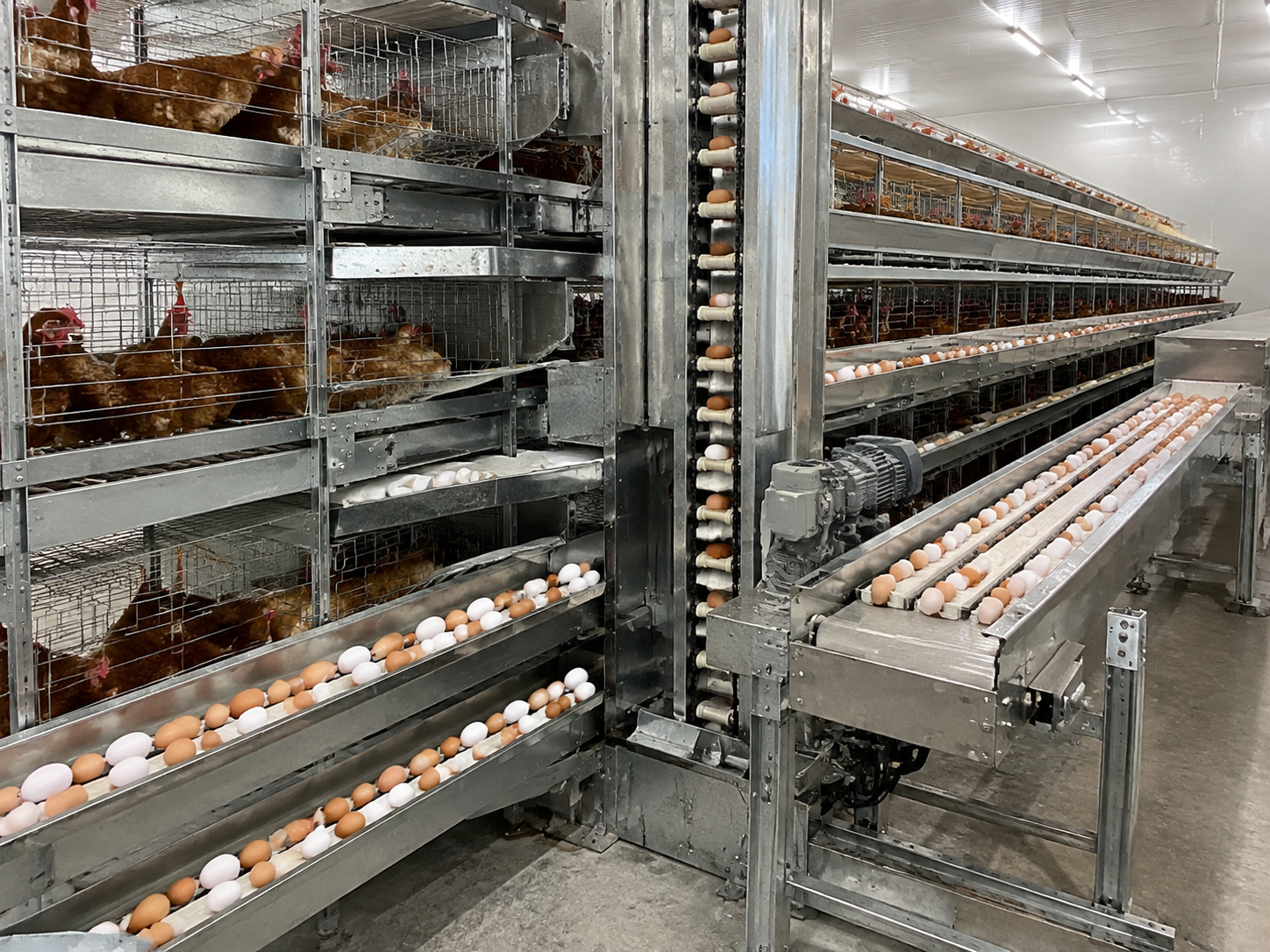
- Egg belts and automatic egg collection equipment;
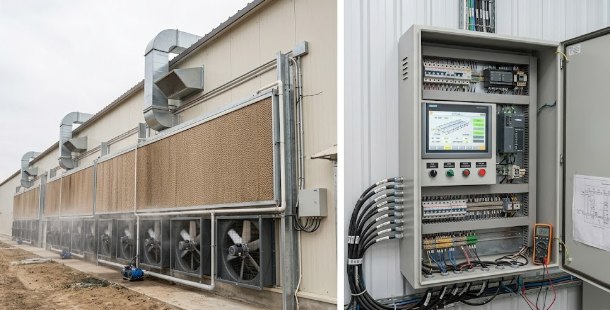
- Poultry house ventilation and cooling equipment;
- Installation drawings and technical support;
- Spare parts and operator training.
Not every poultry farm needs all of these systems. A small farm may start with layer cages, manual or semi‑automatic feeding and a basic drinking system. A larger commercial layer farm may need a complete automatic poultry equipment solution.
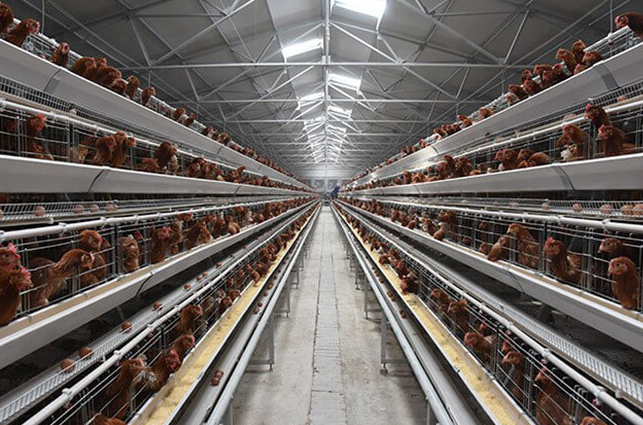
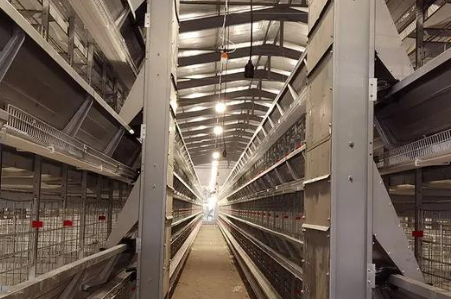
Main Factors That Affect Layer Cage System Price
Farm capacity
The number of birds is one of the most important factors affecting the quotation.
A project for 5,000 layers will usually require a different equipment configuration from a project for 10,000 or 20,000 layers. Capacity affects:
- Number of cage rows;
- Cage length;
- Number of cage tiers;
- Feeding machine length;
- Manure belt quantity;
- Egg collection capacity;
- Ventilation requirements;
- Electrical load.
Cage type and structure
The choice between A‑type, H‑type and stacked layer cages affects both equipment scope and installation requirements.
| Cage type | Typical project focus | Equipment considerations |
|---|---|---|
| A‑type layer cage | Small and medium layer farms | Practical structure, simpler layout and flexible operation |
| H‑type layer cage | Medium and large commercial farms | Vertical structure, automatic feeding and manure belt compatibility |
| Stacked layer cage | Higher space utilization projects | House height, tier access, egg collection and maintenance space |
A‑type cages may be suitable for open‑sided poultry houses or farms that want to control the initial investment.
H‑type and stacked systems may be considered when the farm needs more automation and better use of vertical space.
The correct choice depends on the poultry house, labor situation, local climate and long‑term expansion plan.
Automation level
Automation is another major part of poultry farm equipment cost.
The quotation may include:
- Manual feeding or automatic feeding;
- Manual egg collection or automatic egg collection;
- Direct manure dropping or manure belt removal;
- Basic ventilation or environmental control;
- Manual control or centralized electrical control.
A fully automatic layer cage system usually requires more motors, control panels, conveyors, sensors and installation work. However, the actual value of automation depends on farm size, labor availability and daily operating conditions.
The buyer should compare the complete equipment scope rather than comparing only the cage price.
Poultry house dimensions
The poultry house layout directly affects the equipment quantity and configuration.
Provide the supplier with:
- House length;
- House width;
- Indoor height;
- Number of houses;
- Door and window positions;
- Feed storage location;
- Manure discharge location;
- Available maintenance space;
- Existing equipment, if applicable.
What May Be Included in a Poultry Cage Quotation?
A professional poultry cage quotation should clearly show the equipment and services included.
Check whether the quotation covers:
- Layer cage structure;
- Cage mesh and supporting frame;
- Feed troughs;
- Nipple drinkers;
- Water pipes and regulators;
- Automatic feeding machine;
- Manure belts and conveyors;
- Egg belts and collection equipment;
- Electrical control panels;
- Spare parts;
- Packing and loading;
- Installation drawings;
- Remote or on‑site installation support;
- Operator training;
- Warranty terms.
How to Compare Two Layer Cage System Prices
When comparing suppliers, use the same checklist for each quotation.
| Item to compare | Questions to ask |
|---|---|
| Cage system | Is it A‑type, H‑type or stacked? |
| Capacity | How many birds can the proposed system house? |
| Material | What are the wire, frame and galvanizing specifications? |
| Feeding | Is automatic feeding included? |
| Drinking | Are nipple drinkers, pipes and regulators included? |
| Manure removal | Are manure belts, motors and conveyors included? |
| Egg collection | Are egg belts, elevators and conveyors included? |
| Electrical system | Are control panels and electrical components included? |
| Installation | Are drawings, guidance or training provided? |
| Spare parts | What parts are supplied with the order? |
| Delivery | What packing and shipping terms apply? |
| Warranty | Which components are covered and for how long? |
A clear quotation helps prevent unexpected costs after the order is placed.
Is the Cheapest Layer Cage System the Best Choice?
Not always.
A low‑priced quotation may exclude:
- Automatic feeding equipment;
- Manure removal equipment;
- Egg collection equipment;
- Electrical controls;
- Spare parts;
- Installation guidance;
- Packaging or loading;
- After‑sales support.
The buyer should compare the total project cost and expected operating requirements rather than only the initial cage price.
A suitable layer cage system should match the poultry house, target capacity, local climate, available labor and future expansion plan.
Frequently Asked Questions
How much does a commercial layer cage system cost?
There is no single price for every project. The cost depends on bird capacity, cage type, automation level, poultry house dimensions, equipment scope, delivery location and installation requirements.
Does the layer cage price include automatic feeding?
It depends on the quotation. Some suppliers offer the cage structure separately, while others provide a complete system with automatic feeding. The equipment list should state this clearly.
Is an A‑type or H‑type layer cage more economical?
The answer depends on the farm layout and operating plan. A‑type cages may suit simpler small and medium farm projects, while H‑type cages may be more suitable for larger farms requiring vertical space utilization and automation.
What information is needed for a layer cage quotation?
The supplier normally needs the target bird capacity, poultry house dimensions, preferred cage type, automation requirements, local power supply and delivery location.
---
A layer cage system quotation should show the complete equipment scope, not just the price of the cage frame.
Want to know more?
Get in touch with us for more information about our services and products.