
Poultry Farm Automation in 2026: Which Equipment Should Layer Farms Automate First?
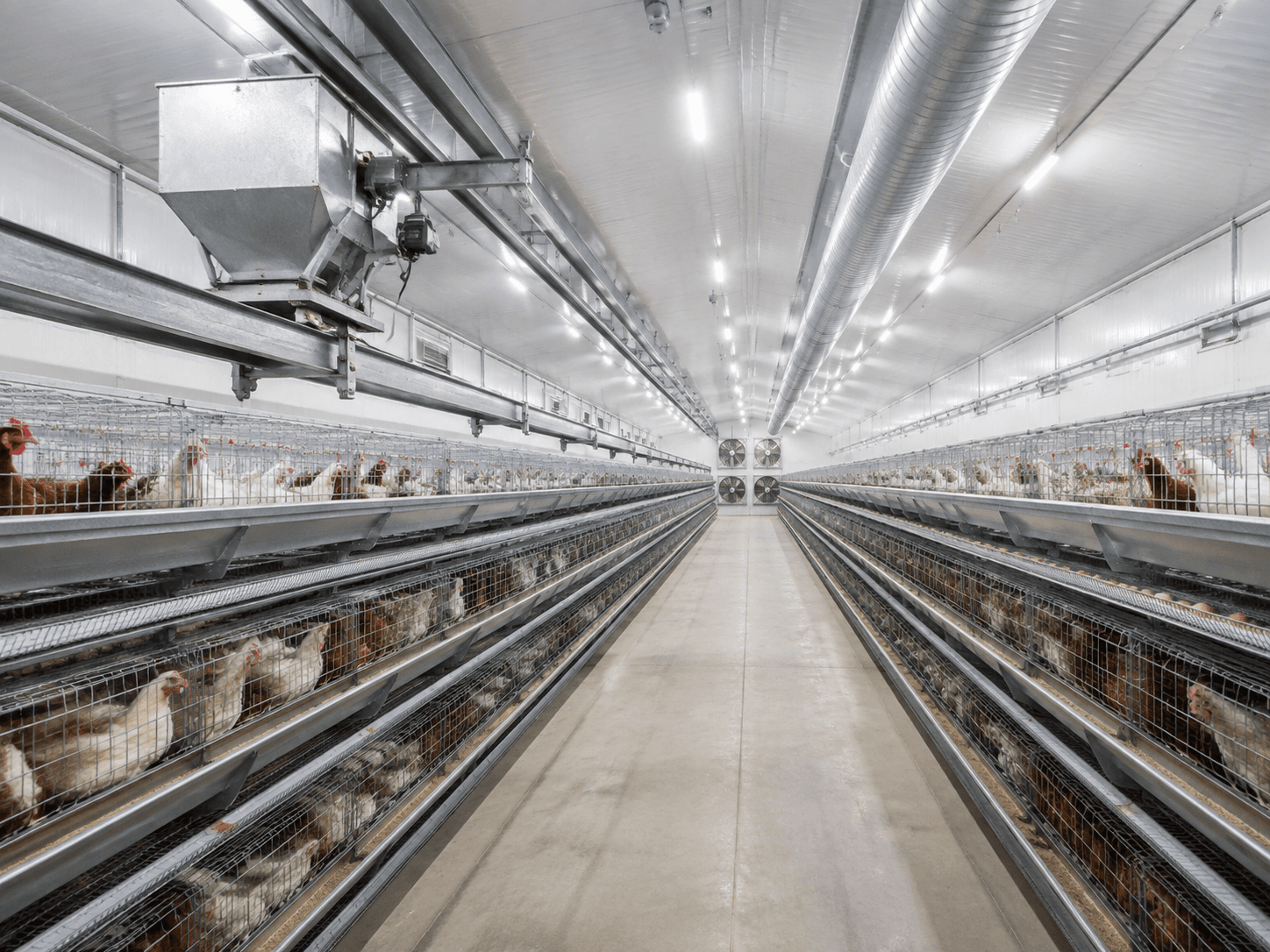
In 2026, commercial layer farms are facing several operating pressures at the same time: higher feed and energy costs, labor shortages, disease prevention requirements and the need to manage larger flocks with fewer manual workers.
For many farm owners, the question is not whether to use automation, but which poultry farm equipment should be automated first.
A complete automatic poultry farm system may include automatic feeding, nipple drinking, manure removal, egg collection, ventilation, cooling and environmental control. However, buying every system at once may not be suitable for every farm budget or poultry house.
The better approach is to prioritize the equipment that solves the farm’s most urgent operating problem.
Why Are Layer Farms Investing in Automation?
Automation is becoming more important for commercial poultry farms because manual operations become harder to control as farm capacity increases.
The main reasons include:
- Difficulty finding and retaining farm workers;
- Rising feed and labor costs;
- Uneven manual feeding;
- Excessive feed waste;
- Manure accumulation and ammonia problems;
- High temperatures and heat stress;
- Manual egg collection and egg handling;
- Greater demand for hygiene and disease prevention;
- The need to expand production without rebuilding the entire farm.
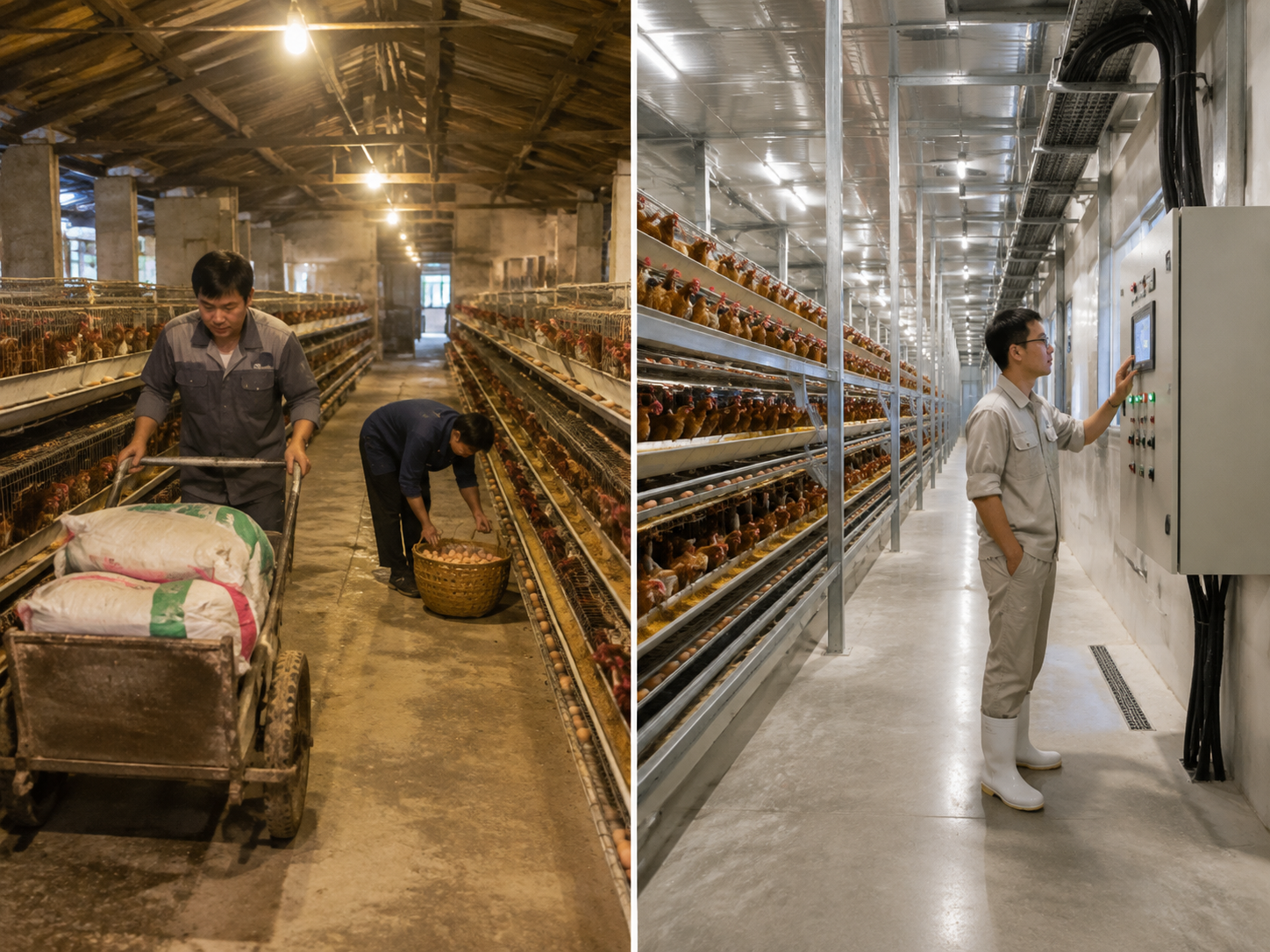
Automation does not eliminate the need for workers. It helps workers spend less time on repetitive tasks and more time on flock observation, equipment inspection and farm management.
Which Poultry Farm Equipment Should Be Automated First?
The correct order depends on your farm’s main problem, but the following sequence is practical for many layer farms.
| Farm problem | Equipment to prioritize | Main benefit |
|---|---|---|
| Too much manual feed work | Automatic feeding machine | More consistent feed distribution |
| Wet manure or high ammonia | Manure belt system | Faster manure removal and easier cleaning |
| Too much labor for egg collection | Automatic egg collection system | Less manual handling of eggs |
| High temperature or poor airflow | Ventilation and cooling system | Better house climate control |
| Need to reduce handling and contact | Integrated cage automation | More controlled daily operation |
| Need to upgrade gradually | Modular equipment system | Lower initial investment pressure |
1. Automatic Feeding for Labor and Feed Control
Automatic feeding is often the first upgrade for a growing layer farm because manual feed distribution requires repeated walking, lifting and pushing feed carts along the cage rows.
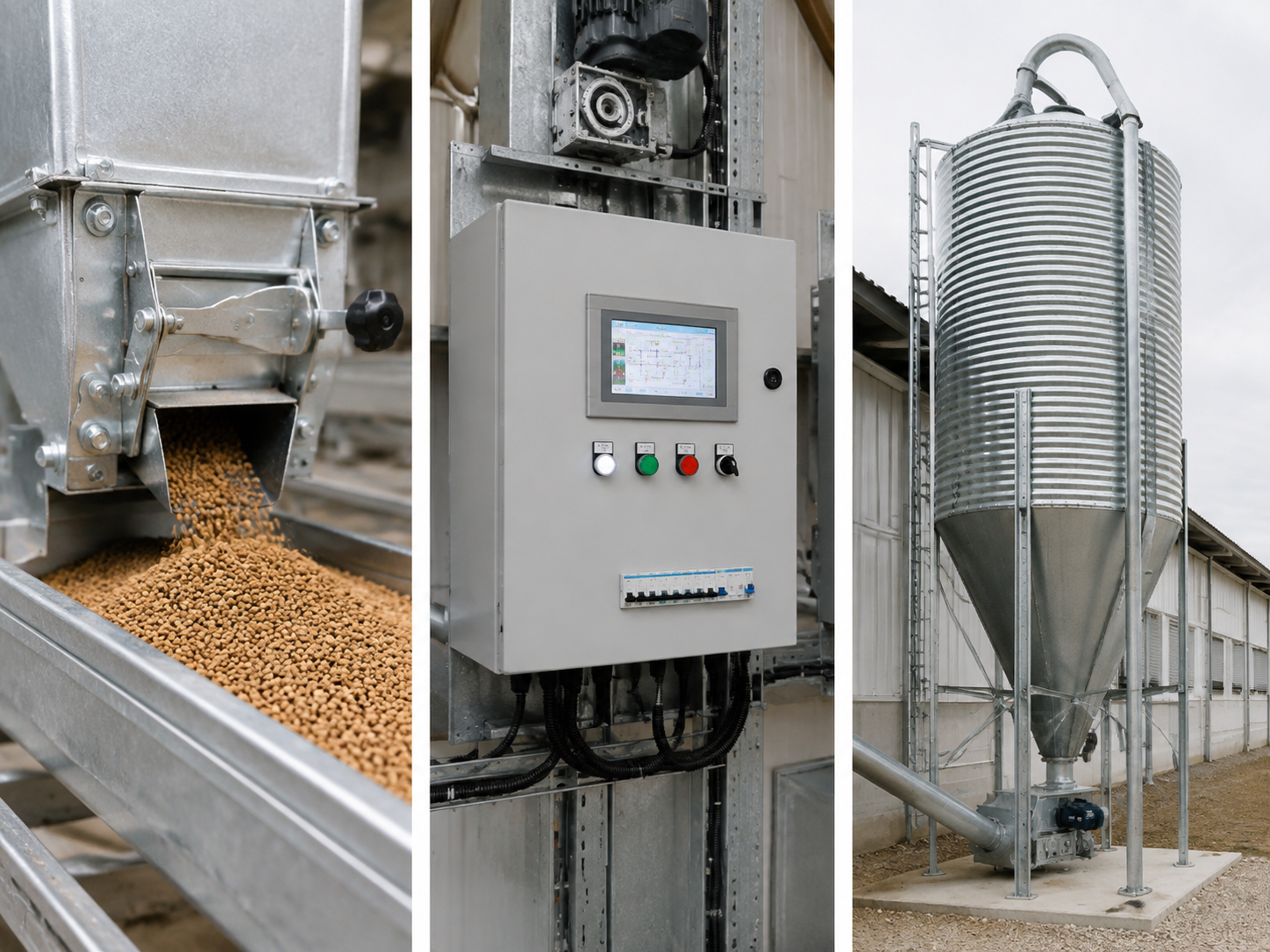
An automatic feeding system may include:
- Feed hoppers;
- Feed conveyors;
- Feed troughs;
- Overhead travelling feeding machines;
- Adjustable feed outlets;
- Control panels;
- Feed storage silos.
An overhead travelling feeding machine moves along the cage rows and distributes feed at a controlled speed. This can help the farm improve feeding consistency and reduce the physical workload of workers.
Before selecting an automatic feeding machine, the supplier needs to know:
- Number of birds;
- Number of cage rows;
- Cage row length;
- Number of cage tiers;
- Feed storage location;
- Local power supply;
- Required feeding schedule.
The actual result depends on equipment adjustment, feed quality, bird management and farm layout. Automatic feeding should be checked every day to confirm that feed has reached all cage rows.
2. Manure Removal for Hygiene and Biosecurity Management
Manure management is closely connected with poultry house hygiene, ammonia control and daily labor requirements.
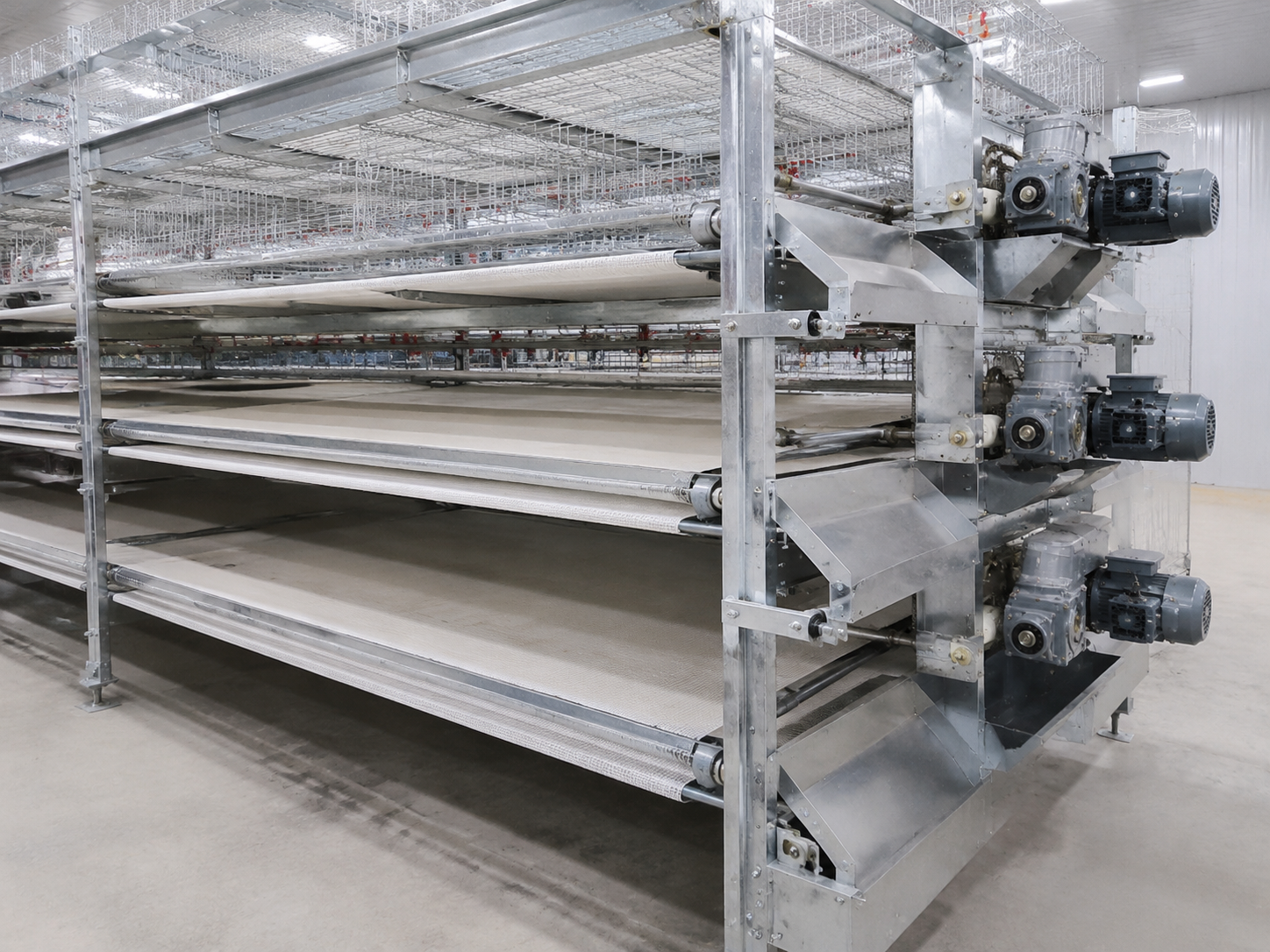
For H‑type and multi‑tier layer cages, a belt manure removal system can collect manure under each cage tier and transport it to a cross conveyor, inclined conveyor or external discharge point.
A complete system may include:
- Manure belts;
- Drive motors;
- Rollers;
- Scrapers;
- Cross conveyors;
- Inclined conveyors;
- Manure storage or loading areas.
If manure remains under the cages for too long, the house may experience more moisture, odor, flies and ammonia. These conditions can make daily management more difficult.
Before ordering a manure belt system, confirm:
- Cage type;
- Number of cage tiers;
- Belt direction;
- Discharge location;
- Maintenance access;
- Manure storage method;
- Cleaning and replacement requirements.
A well‑planned manure removal system can be especially valuable for farms that are increasing bird capacity or operating with limited labor.
3. Automatic Egg Collection for Larger Layer Farms
Manual egg collection becomes more time‑consuming as the number of birds and cage tiers increases. It also requires workers to handle eggs repeatedly from the poultry house to the packing area.
An automatic egg collection system may include:
- Egg belts;
- Cross conveyors;
- Vertical egg elevators;
- Central egg collection tables;
- Egg grading equipment;
- Egg tray packing machines.
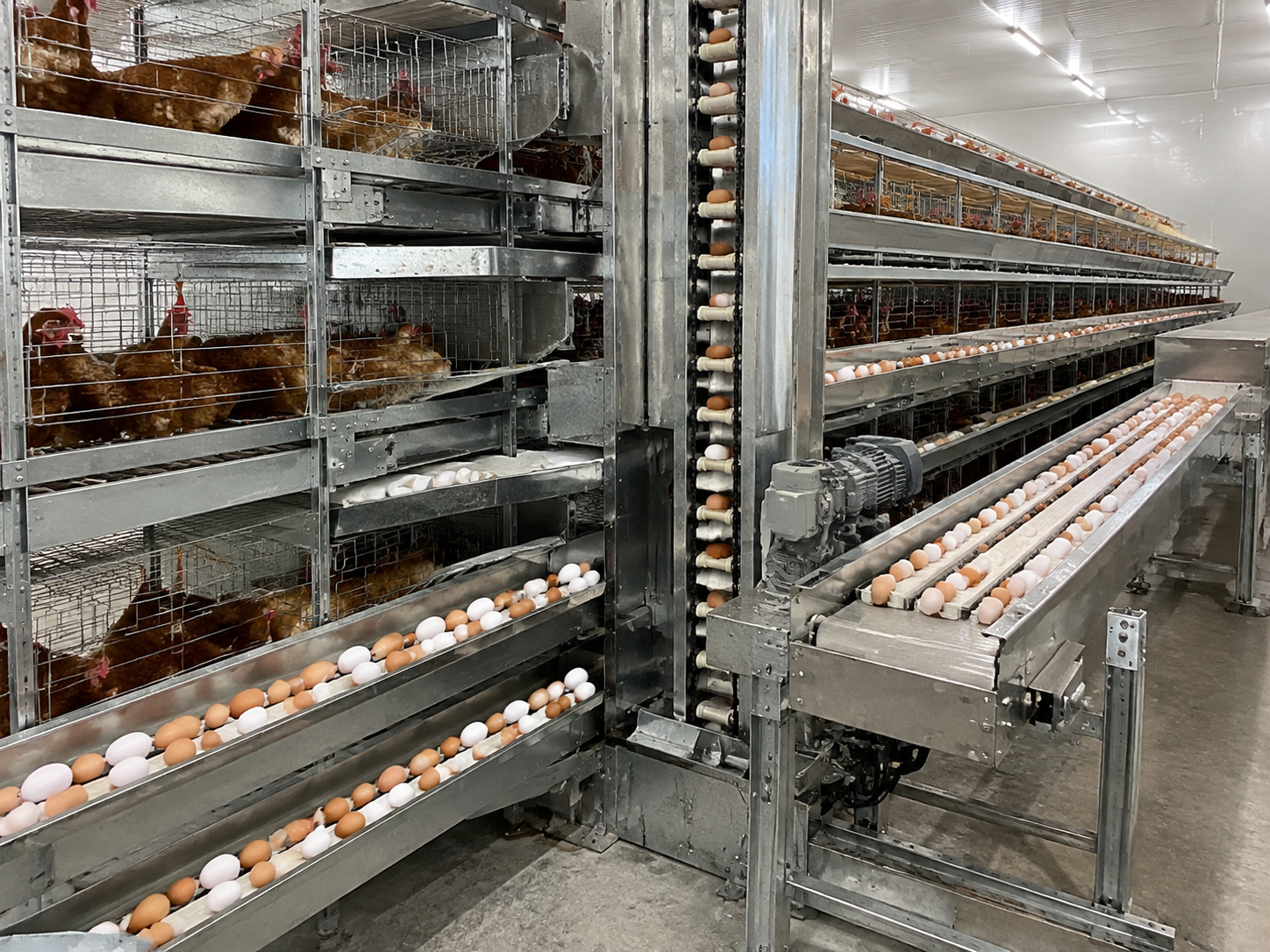
The egg collection equipment should match the cage system, number of tiers, egg belt position and required production capacity.
For farms with H‑type or stacked cages, a vertical egg elevator can transfer eggs from several levels to a central collection position. This can simplify the movement of eggs before grading, packing or storage.
When requesting a quotation, provide the supplier with:
- Cage type;
- Number of cage tiers;
- Number of rows;
- Egg belt layout;
- Required collection direction;
- Available installation space;
- Existing grading or packing equipment.
4. Ventilation and Cooling for Hot Weather
Heat stress and poor air movement can create serious management problems for layer farms, especially in hot and humid regions.
A poultry house environmental control system may include:
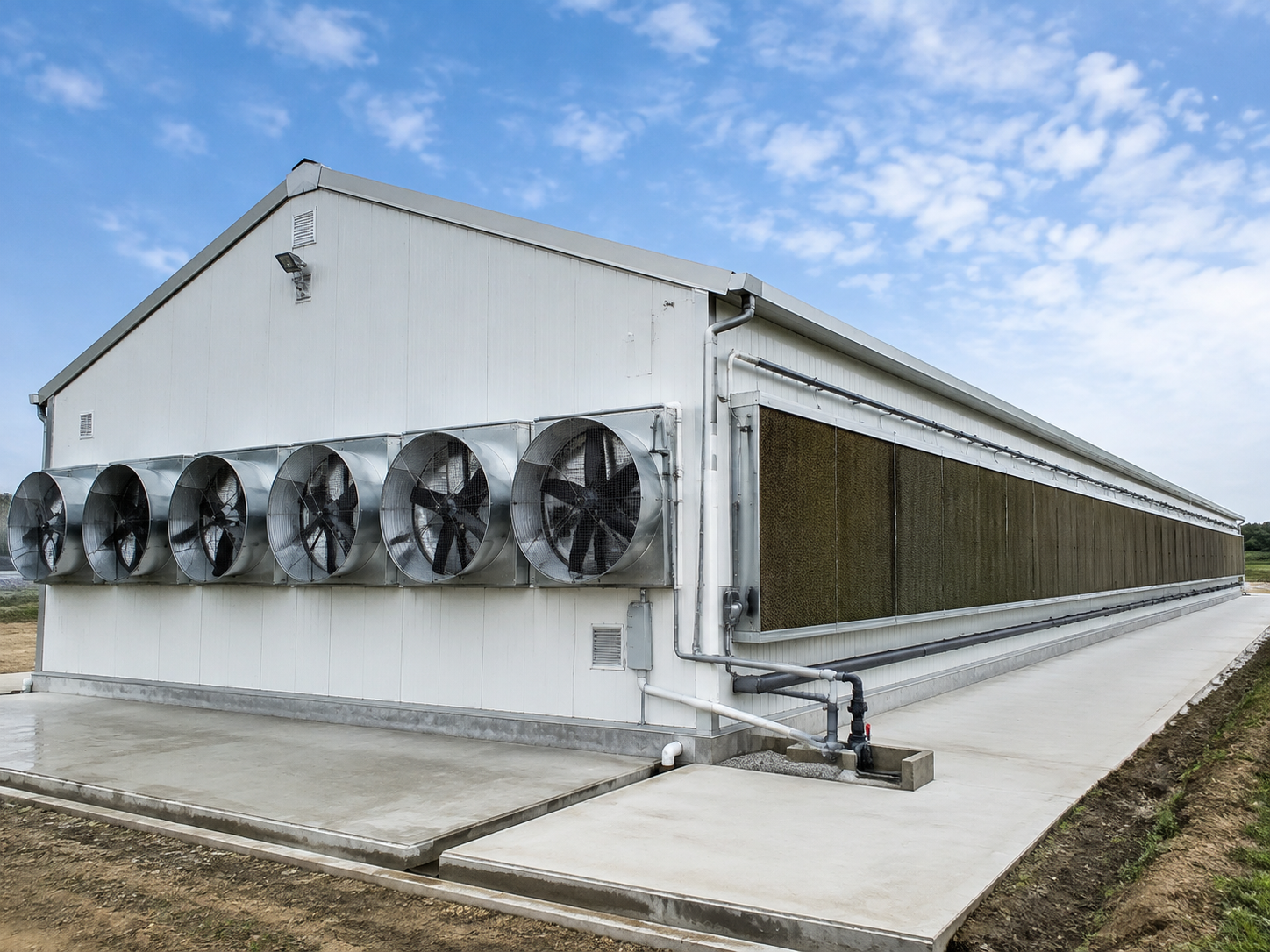
- Tunnel ventilation fans;
- Side wall fans;
- Evaporative cooling pads;
- Air inlet windows;
- Air deflectors;
- Temperature sensors;
- Humidity sensors;
- Environmental controllers.
The required ventilation and cooling equipment depends on:
- Poultry house dimensions;
- Bird capacity;
- Local climate;
- House type;
- Cage density;
- Fan capacity;
- Cooling requirements;
- Available power supply.
Ventilation should be planned at the same time as the layer cage layout. Installing cages first and adding fans later may create problems with air inlets, service space, electrical wiring and cooling pad locations.
Should a Farm Automate Everything at Once?
Not necessarily.
A staged poultry farm automation plan may be more practical for farms with limited capital or existing buildings. For example:
- Install a suitable A‑type or H‑type layer cage system;
- Add automatic feeding;
- Add manure removal;
- Upgrade egg collection;
- Improve ventilation and environmental control;
- Add egg grading or tray packing equipment.
The right sequence depends on the farm’s most urgent cost, labor or management problem.
However, staged automation should still be planned from the beginning. Cage rows, aisle widths, house height, power supply and equipment access should leave enough space for future upgrades.
What Should Buyers Ask a Chicken Cage Manufacturer?
Before requesting a poultry farm equipment quotation, prepare:
- Target bird capacity;
- Chicken type;
- Poultry house length, width and height;
- Number of houses;
- Preferred cage type;
- Number of cage tiers;
- Required automation level;
- Local voltage and frequency;
- Climate information;
- Existing equipment;
- Delivery location;
- Installation and training requirements.
A supplier that receives this information can prepare a more useful equipment list, layout suggestion and project quotation.
---
The best automatic poultry equipment is not always the most expensive system. It is the system that matches your farm size, poultry house layout, labor situation, climate and expansion plan.
If your farm is struggling with manual feeding, manure accumulation, egg collection labor, poor ventilation or limited production space, the right automation plan can start with the most urgent problem and expand step by step.
Send us your poultry house dimensions, target bird capacity and current equipment list.
Want to know more?
Get in touch with us for more information about our services and products.