
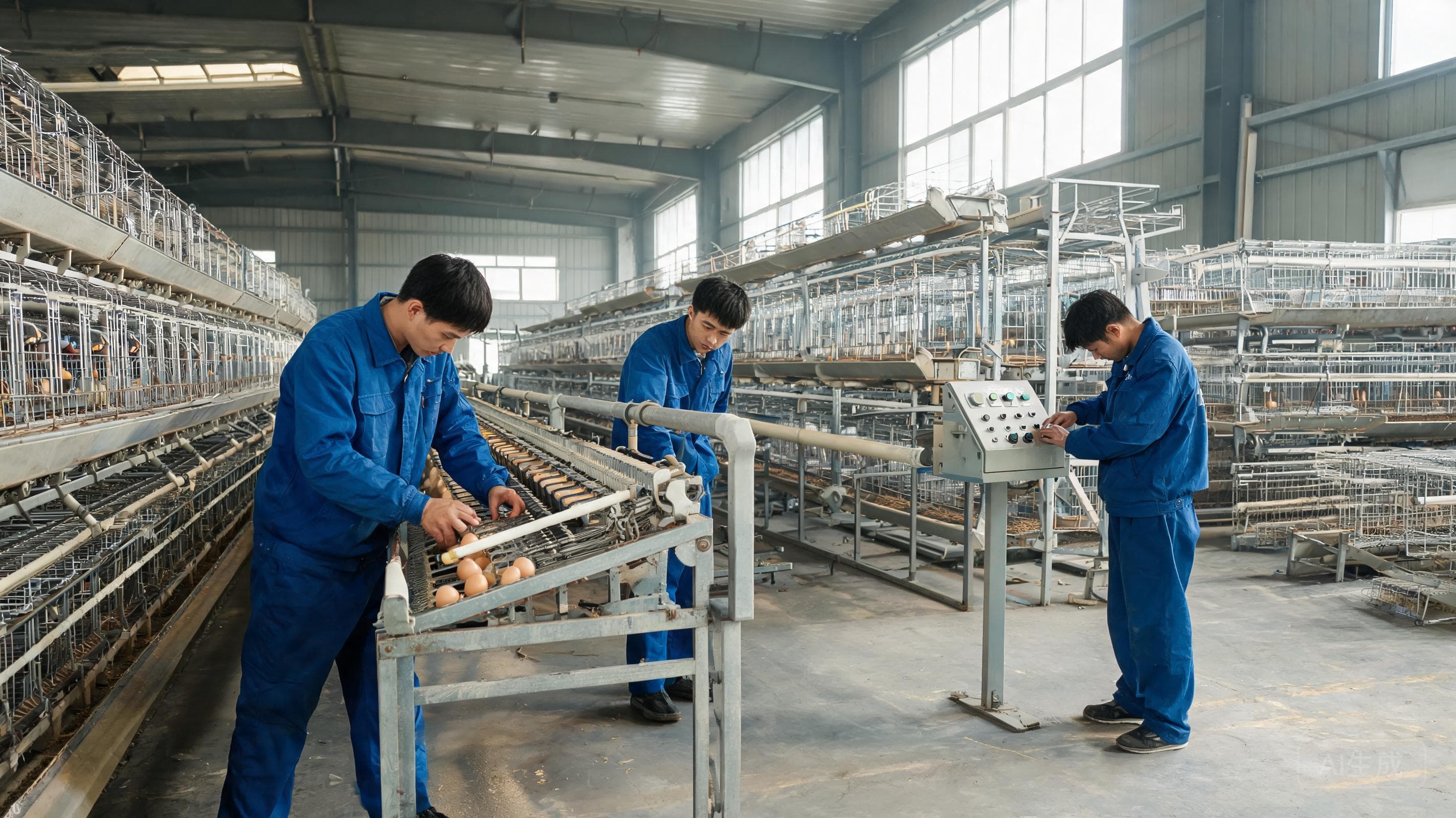
Scaling Your Poultry Operation: How Automated Cage Systems Drive Efficiency and ROI
Introduction: The Turning Point in Modern Poultry Farming
The poultry industry is at a critical inflection point. Producers across the globe face mounting pressure to deliver higher output while navigating labor shortages, volatile feed costs, and increasingly stringent welfare regulations. The shift toward automation is no longer a competitive advantage—it is a survival imperative. Whether you manage a growing layer operation or a large-scale broiler enterprise, the operational challenges are similar: inconsistent manual processes, disease outbreaks, and the complex transition toward enriched or cage-free environments that demand rigorous management.
This article is designed for farm owners and operations managers evaluating automatic chicken cage systems as a strategic investment. We will dissect the components, compare system types, and provide data-driven insights into how automated poultry farming equipment can transform your bottom line—not just in labor savings, but in flock health, feed conversion, and long-term scalability. If you are serious about growth, understanding the full ROI picture of poultry farm automation systems is the first step.
Why Traditional Poultry Housing Is No Longer Enough
Manual and outdated housing systems are fundamentally ill-equipped to meet modern production demands. Inconsistent feeding schedules lead to flock uniformity issues, while high labor intensity drives operational costs upward and introduces human error. Maintaining optimal environmental conditions—temperature, humidity, and ammonia levels—becomes nearly impossible with static, non-automated infrastructure. This not only compromises bird welfare but directly impacts feed conversion ratios and mortality rates.
Industry research highlights that transitioning to cage-free systems, while welfare-positive, introduces significant management complexity and biosecurity risks if not executed with precision. The poultry cage system offers a balanced solution. Modern battery cage systems for poultry provide controlled environments that enhance biosecurity, streamline feeding, and allow for precise environmental monitoring. This approach does not sacrifice productivity for welfare; rather, it uses technology to achieve both. For producers looking to maintain control over every variable, the layer chicken cage system represents the operational backbone of a modern, efficient farm.
The Core Components of an Automatic Chicken Cage System
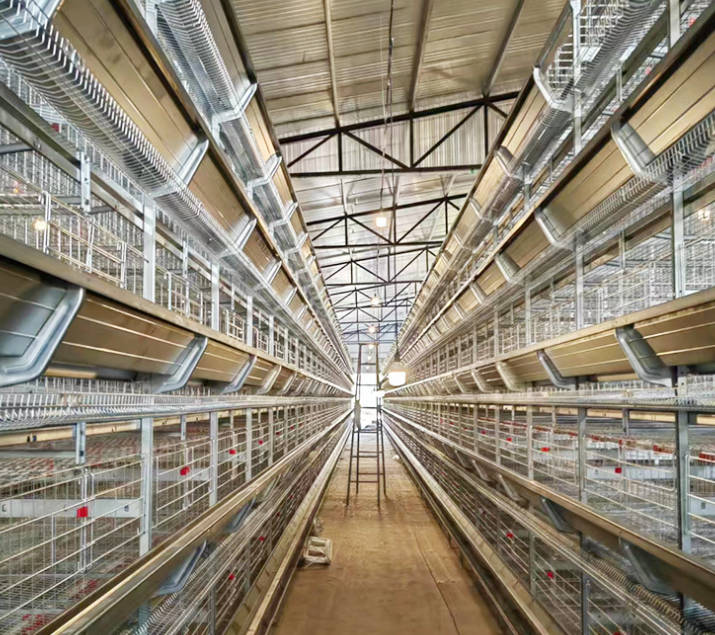
An automatic poultry cage system is more than just housing; it is an integrated ecosystem of automated functions designed to minimize labor and maximize output. The core elements include:
- Automatic Feeding System: Delivers precise rations at scheduled intervals, ensuring uniform nutrient intake across all tiers. This reduces feed waste and improves feed conversion efficiency.
- Automatic Drinking System: Provides a constant supply of fresh, clean water via nipple drinkers, reducing spillage and the risk of waterborne diseases.
- Automatic Egg Collection: A key feature of the automatic egg layer system, this uses conveyor belts to gently transport eggs from the cages to a central collection point, minimizing breakage and contamination.
- Automatic Manure Removal System: Conveyor belts or scrapers remove manure regularly, improving air quality, reducing ammonia buildup, and lowering the risk of disease.
These functions are orchestrated by a central control unit, often integrated with environmental controls that regulate temperature, humidity, and ventilation. The result is a poultry housing system that operates with minimal human intervention, allowing your team to focus on health monitoring and strategic management rather than repetitive manual tasks. This level of integration is what separates a simple cage setup from a true chicken cage production line.
Choosing the Right Cage System for Your Farm Scale
Selecting the appropriate chicken cage equipment is critical to maximizing ROI. The ideal system depends on your current flock size and growth projections.
For operations with moderate capacity, 3–4 tier stepped cages offer a practical balance of density and accessibility. These systems are easier to manage manually if needed and have a lower initial capital outlay. However, for producers aiming for significant scale, H-type stacked systems are the industry standard. These industrial poultry cages maximize vertical space, dramatically increasing bird density per square meter of floor space. This vertical integration is a cornerstone of large scale poultry farm systems, enabling producers to achieve 10x capacity compared to traditional housing.
Durability is another non-negotiable factor. Commercial chicken cages manufactured from hot-dip galvanized steel offer superior corrosion resistance and a lifespan of 15–20 years, even in harsh environments. This longevity is a key component of the ROI calculation. Furthermore, a custom poultry cage system can be engineered to fit your specific housing dimensions, whether you are retrofitting an existing barn or constructing a new facility. A reputable chicken cage manufacturer will provide design consultation to ensure your poultry farming equipment aligns perfectly with your production goals.
Automation Beyond Cages: Egg Collection and Packing
The efficiency gains of automation extend far beyond the cage itself. The final stages of production—egg collection and packing—are often the most labor-intensive and prone to product loss. A stacked egg collection system integrated with a vertical elevator egg collector ensures eggs are transported gently and efficiently from the top tiers to a central packing area. This system minimizes breakage, which can account for significant revenue loss, and reduces the need for manual handling.
The final piece of the puzzle is the automatic egg tray packing machine. This equipment receives eggs from the collection system and automatically places them into trays, ready for distribution. This step improves hygiene, enhances product presentation, and dramatically increases throughput. By automating this entire line, from the egg layer cage system to the packing station, you effectively create a poultry farm automation system that operates as a seamless, high-speed production unit. The ROI is clear: reduced manual handling lowers labor costs and injury risk, while faster throughput allows you to process more eggs without expanding your workforce. For a deeper dive into the financial metrics, our analysis on automation ROI beyond labor shows a 45% density boost and 22% energy savings, which are critical for long-term profitability.
Real-World Impact: Case Studies and Industry Data
Data from farms that have transitioned to automated systems paints a compelling picture. A mid-sized layer operation in Southeast Asia, for example, adopted a fully automated layer chicken cage system and reported a 30% reduction in labor costs within the first six months. More importantly, they saw a 2% decrease in mortality and a 5% improvement in feed conversion, directly attributable to the consistent feeding and environmental control provided by the system.
Industry reports confirm a broader trend: the adoption of automated poultry farming equipment is growing at a double-digit rate annually. Producers are recognizing that the initial investment is offset by long-term gains in efficiency and reduced operational risk. The key to realizing these benefits lies in partnering with a reliable chicken cage supplier with proven export experience and robust installation support. A poorly installed system can negate the benefits of automation. Therefore, it is crucial to select a partner who offers not just equipment, but comprehensive service. Our data on automated layer cages cutting labor costs by 30% highlights how these systems also mitigate compliance risks, a growing concern for producers in regulated markets.
Implementation Roadmap: From Planning to Turnkey Poultry Farm
Transitioning to an automated system requires a structured approach to ensure a smooth and profitable integration. Here is a practical roadmap:
- Site Assessment: A thorough evaluation of your existing infrastructure, including building dimensions, power supply, and ventilation capacity.
- System Design: Collaboration with your chicken cage factory partner to design a custom poultry cage system that maximizes your space and aligns with your flock targets.
- Poultry Cage Installation: Professional installation by experienced technicians is critical. This includes assembly, calibration of feeding and drinking lines, and integration of environmental controls.
- Staff Training: Your team must be proficient in operating the new poultry farm automation system. Comprehensive training on monitoring software and routine maintenance is essential for long-term success.
This is where the value of a turnkey poultry farm approach becomes evident. A single-source provider takes responsibility for the entire project—from design and manufacturing to poultry cage installation and after-sales service. This eliminates the coordination headaches of dealing with multiple vendors and ensures that every component, from the automatic feeding poultry system to the manure removal belts, is perfectly synchronized. When you choose a partner for your chicken cage for layers, ensure they offer this level of end-to-end support. The long-term savings from a properly installed and maintained system are substantial, as detailed in our guide on automation ROI with 60% lower maintenance.
Conclusion: Future-Proof Your Farm with Automation
The case for automation is no longer theoretical. Automatic poultry equipment delivers measurable, scalable benefits that directly impact your profitability. By investing in a modern poultry cage system, you are not just buying cages; you are investing in operational control, improved animal welfare, and a significant reduction in your exposure to labor market volatility. The path forward is clear: evaluate your current operations, identify bottlenecks, and consider a phased upgrade to an automated system. Whether you are looking at broiler chicken cages or an automatic egg layer system, the technology exists to future-proof your farm.
Are you ready to calculate the precise ROI for your operation? Our team specializes in designing large scale poultry farm systems and can provide a detailed feasibility analysis based on your specific data. Contact us today for a free consultation and a custom quote to start your journey toward a more efficient, profitable, and sustainable poultry operation.
Want to know more?
Get in touch with us for more information about our services and products.