
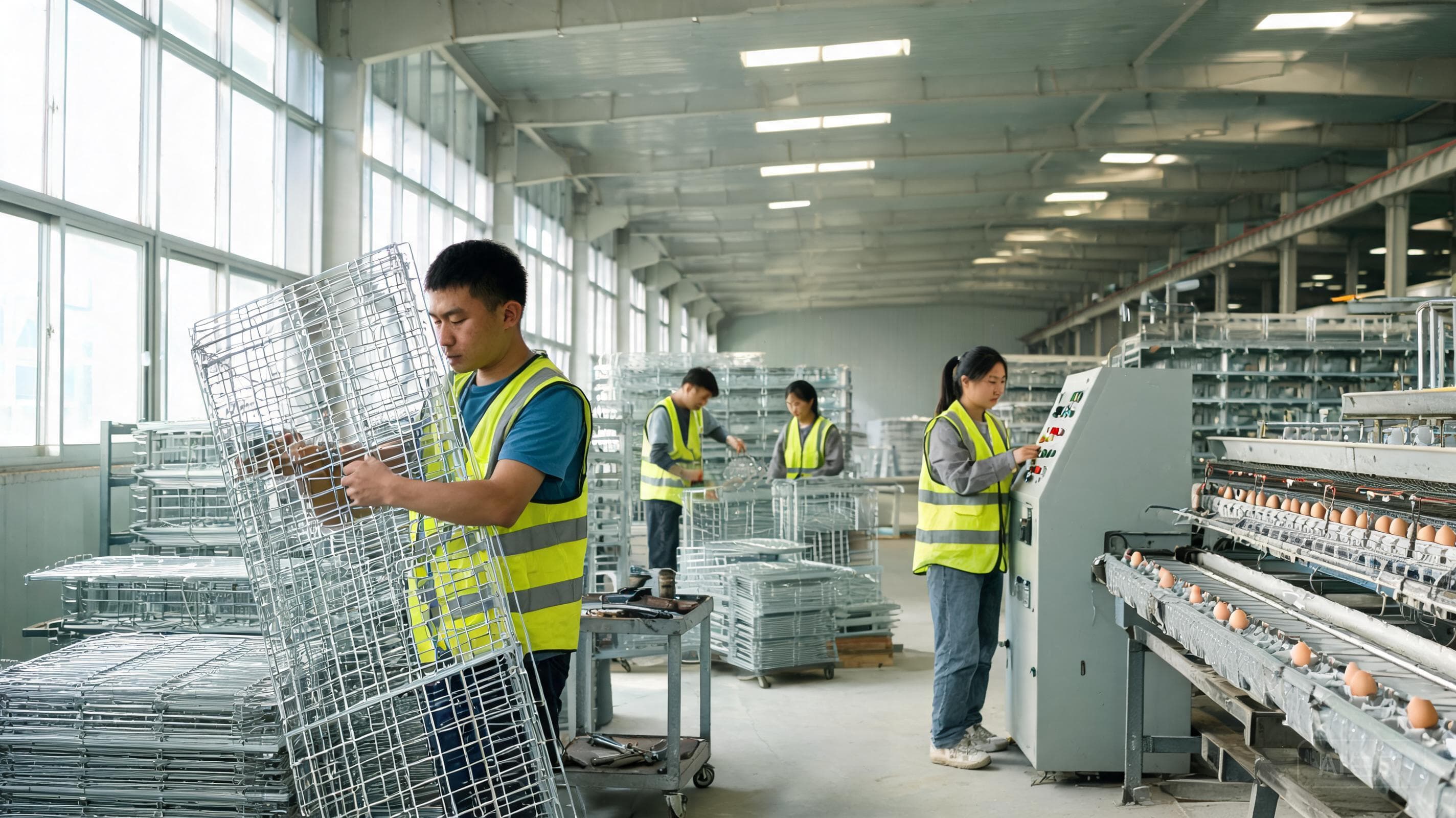
Scaling Egg Production with Automated Poultry Cage Systems
The Hidden Costs of Manual Poultry Management
The true cost of manual poultry management extends far beyond the wage bill. It seeps into every aspect of your operation, often unnoticed until it's too late. Labor-intensive feeding, egg collection, and manure removal drain time and increase operational costs. Your staff spends hours performing repetitive tasks that could be automated, pulling them away from strategic flock health management and biosecurity protocols.
Furthermore, inconsistent environmental conditions lead to heat stress, poor feed conversion, and higher mortality. When ventilation and cooling depend on manual adjustments, your flock is at the mercy of human error and fluctuating weather. Manual handling also causes more egg cracks and breakage, reducing marketable yield. Every cracked egg represents lost revenue that directly impacts your profit margin. As farms expand, manual systems become a bottleneck, limiting scalability and profitability. You can't simply add more birds to a manual system without proportionally adding more labor, which erodes your economies of scale.
Why Automated Poultry Farming Is the Future of Egg Production
Industry data shows that automated systems can reduce labor costs by up to 30% and improve egg production efficiency. This isn't just about replacing human hands; it's about creating a controlled environment where birds thrive. Automation ensures consistent feeding, watering, and climate control, leading to healthier flocks and higher laying rates. When your birds are comfortable and stress-free, they convert feed to eggs more efficiently.
Modern poultry housing systems are designed to meet evolving welfare standards while maximizing space utilization. The integration of robotics and smart sensors into automated poultry farming enables real-time monitoring and data-driven decisions. You can track feed intake, egg production, and environmental conditions from a single dashboard, allowing you to identify and address issues before they impact production. This level of precision is unattainable with manual methods. For a deeper look at how automation reshapes labor dynamics and strategic planning, you can review how automation reshapes poultry labor and demands new HR strategies.
Key Components of a High-Performance Automatic Chicken Cage System
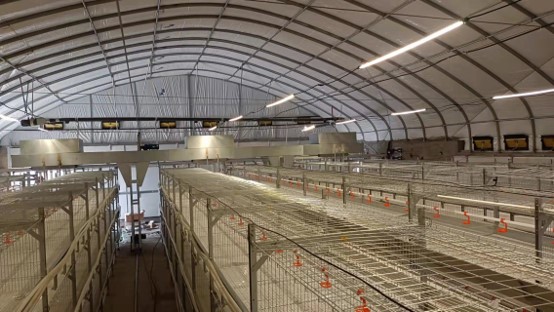
Investing in the right automatic chicken cage system is the cornerstone of a successful automated farm. A high-performance system integrates several critical components that work in unison:
- Layer cage systems: These come in A-type and H-type configurations, designed for different farm scales and ventilation needs. A-type cages are often preferred for their simplicity, while H-type (stacked) systems maximize vertical space.
- Automatic feeding poultry systems: Overhead travelling feeding machines ensure uniform feed distribution and reduce waste. This precision feeding ensures every bird receives the exact nutrition it needs, improving feed conversion ratios.
- Belt manure removal systems: Automatic manure cleaning keeps the house clean, reduces ammonia, and simplifies waste management. This is crucial for bird health and reduces the risk of respiratory diseases.
- Egg collection systems: Automatic egg tray packing machines minimize breakage and speed up packaging. This protects your most valuable product from the moment it's laid.
- Environmental control systems: Integrated ventilation and cooling maintain optimal temperature and air quality, ensuring your flock remains productive year-round.
Choosing the Right Chicken Cage Equipment for Your Farm
Selecting the right chicken cage equipment requires a strategic assessment of your current operation and future goals. First, assess your farm size and production goals: A-type cages are ideal for smaller operations, while stacked H-type systems suit large-scale commercial ventures. Consider the poultry housing system compatibility; ensure the cage system works with your existing or planned ventilation and manure removal setup.
Evaluate material quality: Hot-dip galvanized steel offers durability and corrosion resistance in humid poultry environments. This is a long-term investment, and cheap materials will fail quickly. Finally, look for turnkey poultry farm solutions from a reputable chicken cage manufacturer to simplify installation and after-sales support. A partner who offers a complete package—from design to installation—can save you from the headaches of coordinating multiple vendors. When evaluating your options, consider the long-term operational savings; for instance, automated layer cages can cut labor costs by 30% and mitigate compliance risks.
Real-World ROI: How Automation Pays Off
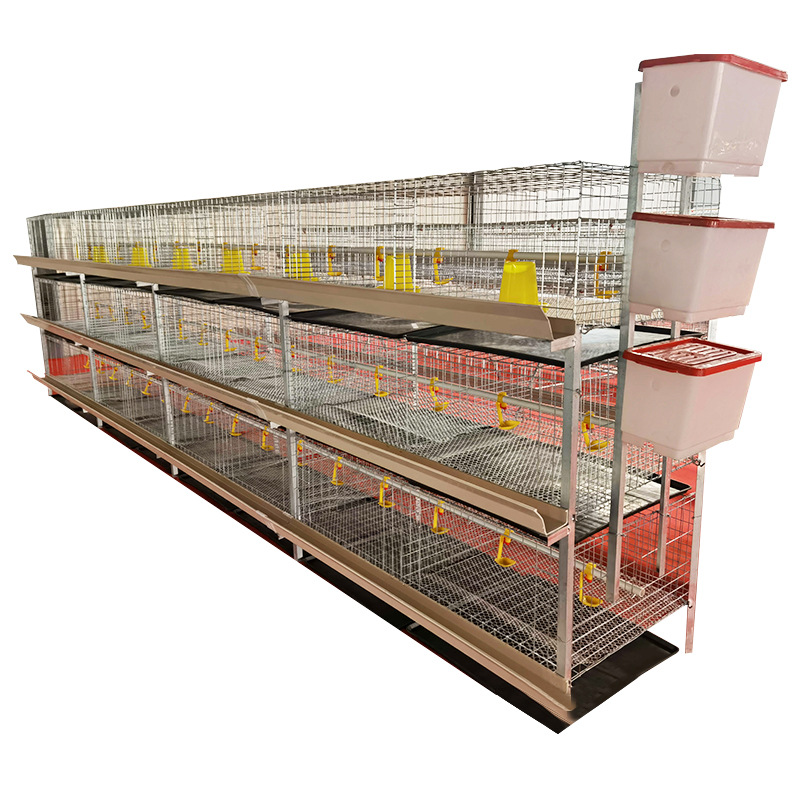
The financial case for automation is compelling. Farms using automatic egg layer systems report a 15-20% increase in egg production and a significant drop in cracked eggs. This isn't just a marginal improvement; it's a transformative shift in output. Automated manure removal reduces respiratory issues in birds, lowering mortality and veterinary costs. Healthier birds require fewer interventions, saving you money on medication and reducing downtime.
Energy-efficient environmental control systems cut electricity bills while improving feed conversion ratios. By optimizing the climate, you reduce the energy birds expend on regulating their body temperature, allowing them to direct that energy toward egg production. Case studies from commercial poultry farms show payback periods of under two years for full automation investments. The initial capital expenditure is quickly offset by operational savings and increased revenue. For a more granular look at the financial impact, explore how automation delivers 60% lower maintenance and 10x capacity in poultry farming.
Next Steps: Building Your Automated Poultry Farm
Transitioning to an automated system is a significant undertaking, but with the right partner, it is a seamless process. The first step is to consult with an experienced poultry equipment manufacturer to design a custom poultry cage system tailored to your specific needs. This consultation should include a thorough analysis of your current infrastructure, budget, and production targets.
Following the design phase, plan for professional poultry cage installation to ensure optimal performance and longevity. A poorly installed system will underperform, regardless of its quality. Finally, request a detailed quote for a turnkey poultry farm package, including cages, feeding, manure removal, and environmental control. This gives you a complete picture of the investment required.
Ready to scale your egg production with precision and efficiency? Contact our team today to discuss your project and receive a feasibility assessment.
Want to know more?
Get in touch with us for more information about our services and products.