
How to Choose Automatic Layer Chicken Cages
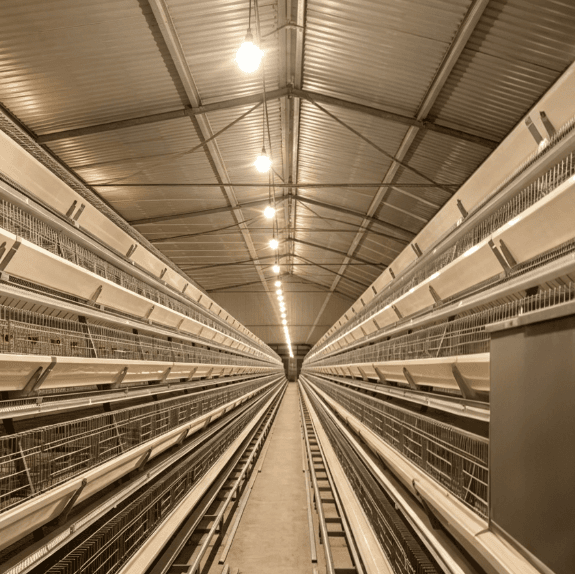
Choosing an automatic layer chicken cage is a major decision for any commercial poultry farm. The cage system affects bird capacity, labor requirements, feed distribution, manure handling, egg collection, house layout and future expansion.
The lowest‑priced chicken cage is not always the most economical option. A system that does not match your poultry house, local climate or automation plan may create installation delays, uneven feeding, difficult maintenance and higher operating costs.
Before requesting a layer cage quotation, compare the following factors carefully.
What Is an Automatic Layer Chicken Cage System?
An automatic layer chicken cage system combines layer cages with equipment for daily farm operations. Depending on the project, the system may include:
- Galvanized layer chicken cages;
- Automatic feeding equipment;
- Nipple drinking lines;
- Manure belt or manure removal equipment;
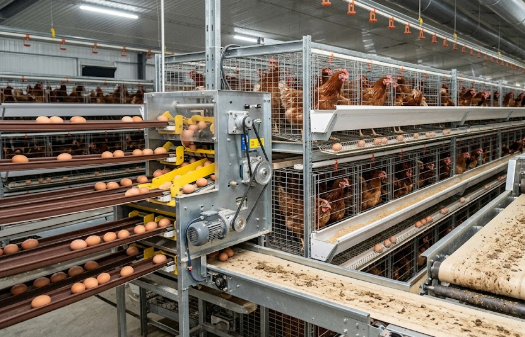
- Egg belts;
- Automatic egg collection equipment;
- Poultry house ventilation;
- Cooling and environmental control;
- Electrical control panels.
The cage is only one part of the complete poultry farm equipment solution. For a new commercial layer farm, the cage, feeding system, drinking system, manure removal system and egg collection system should be planned together.
1. Start with Your Farm Size and Target Capacity
The first step is to confirm the number of birds you plan to raise.
Common project sizes may include:
- 3,000–5,000 layers;
- 5,000–10,000 layers;
- 10,000–30,000 layers;
- 30,000–50,000 layers;
- More than 50,000 layers.
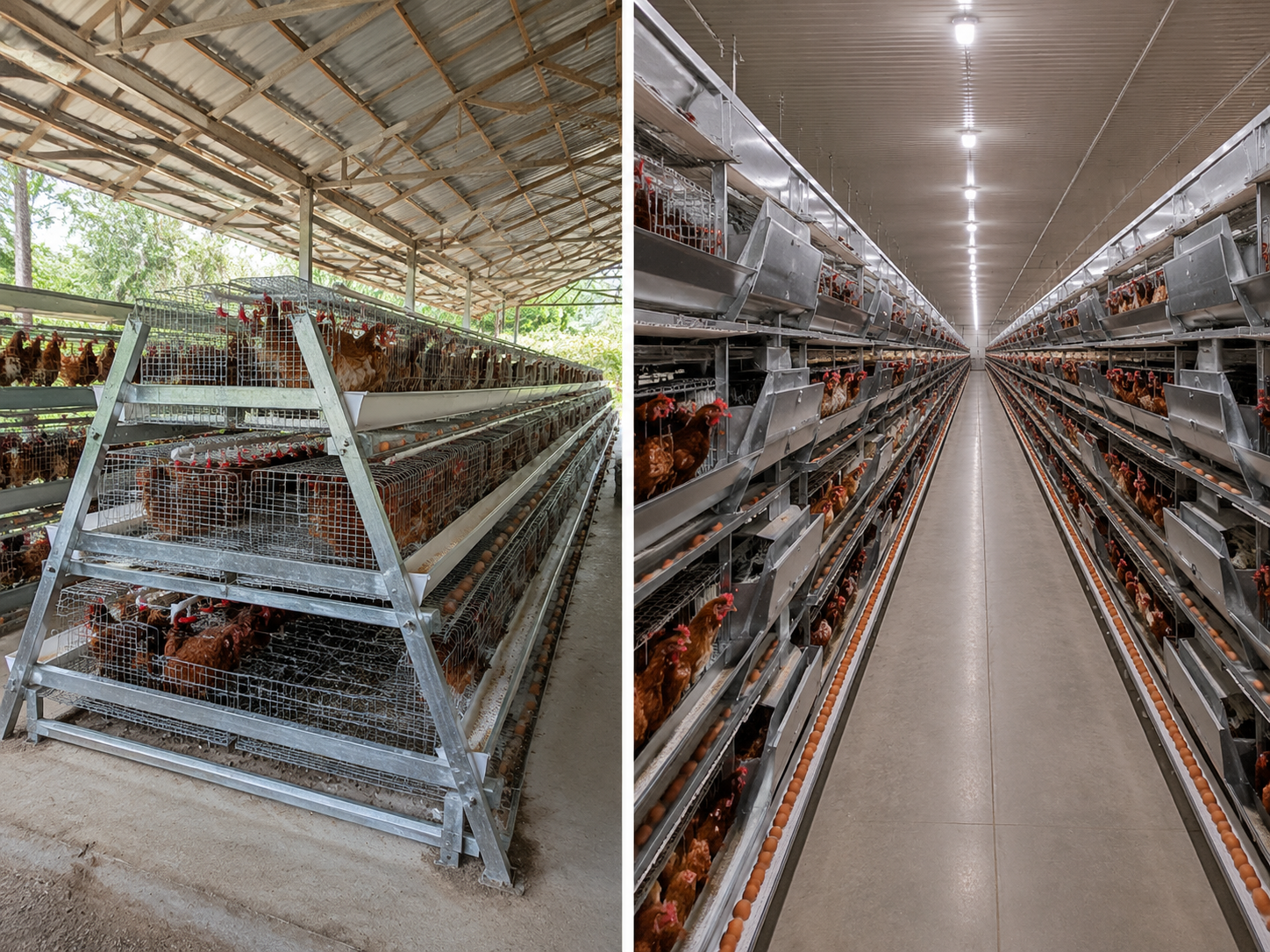
A small or medium‑sized farm may prefer an A‑type layer cage because of its relatively simple structure and practical operating requirements. A larger commercial layer farm may consider an H‑type or stacked layer cage system to use vertical space and connect more automatic equipment.
The target capacity affects:
- Number of cage rows;
- Cage tiers;
- Poultry house height;
- Feeding machine length;
- Manure belt arrangement;
- Egg collection capacity;
- Ventilation requirements;
- Installation and maintenance space.
Do not choose a cage system based only on the number of birds. The supplier also needs your house dimensions and planned automation level.
2. Compare A‑Type and H‑Type Layer Cages
A‑type and H‑type layer cages are both widely used in commercial egg production, but they are suitable for different project conditions.
| Factor | A‑Type Layer Cage | H‑Type Layer Cage |
|---|---|---|
| Typical application | Small and medium layer farms | Medium and large commercial farms |
| Structure | Stepped or pyramid‑shaped | Vertical stacked frame |
| Space utilization | Practical for standard poultry houses | Higher vertical space utilization |
| Manure handling | May use direct dropping or manure cleaning equipment | Commonly combined with manure belts |
| Automation level | Basic to medium automation | Medium to high automation |
| Inspection access | Simple bird observation and management | Requires planned aisles and service access |
| Project focus | Cost control and simple operation | Capacity, automation and expansion |
An A‑type cage may be a practical choice for an open‑sided poultry house or a farm upgrading from floor rearing. An H‑type layer cage system may be more suitable when the farm requires automatic feeding, manure belt cleaning and automatic egg collection.
The correct choice depends on your poultry house, labor availability, budget and long‑term production plan.
3. Check the Chicken Cage Material and Corrosion Protection
Poultry houses are humid and contain dust, manure and cleaning chemicals. The cage material and surface treatment directly affect service life and maintenance requirements.
When comparing galvanized chicken cages, ask about:
- Wire diameter;
- Frame material;
- Welding quality;
- Galvanizing method;
- Surface finish;
- Cage door structure;
- Feed trough material;
- Corrosion resistance;
- Replacement parts.
Hot‑dip galvanized components are often considered for poultry houses with high humidity or frequent exposure to manure. However, the complete cage structure should be evaluated, including the wire mesh, frame, connectors and supporting parts.
A buyer should request clear product specifications instead of relying only on phrases such as “high quality galvanized cage” or “long service life.”
4. Match the Cage with Automatic Feeding
Automatic feeding is one of the main reasons commercial farms choose an automatic layer cage system.
The feeding solution may include:
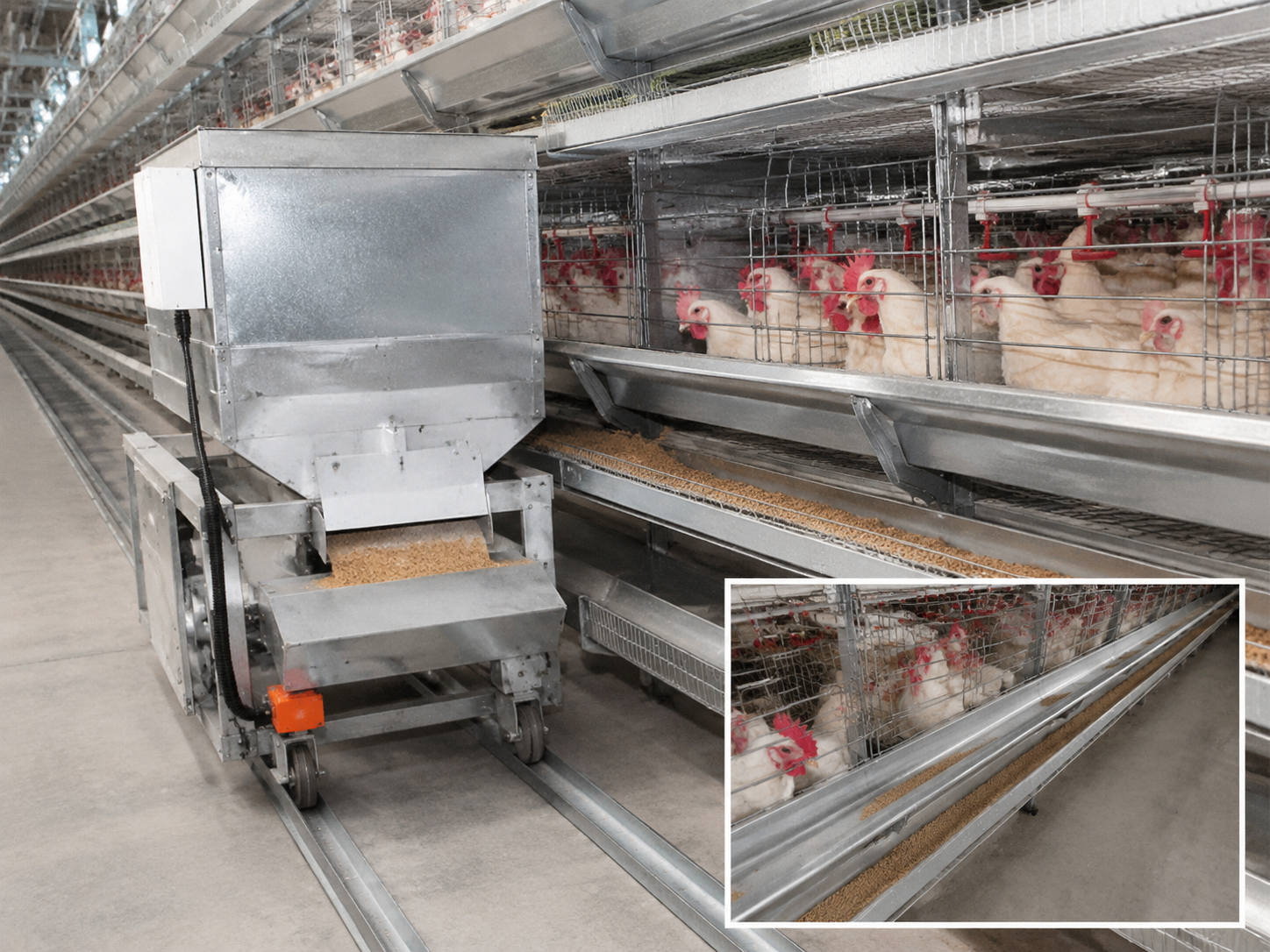
- Overhead travelling feeding machines;
- Feed hoppers;
- Feed conveyors;
- Feed troughs;
- Feed storage silos;
- Adjustable feed outlets;
- Control panels.
Before ordering, confirm:
- Cage row length;
- Number of rows;
- Number of cage tiers;
- Feed storage position;
- Power supply;
- Feeding speed;
- Feeding schedule;
- Access for inspection and maintenance.
The automatic feeding machine should distribute feed consistently along the cage rows. Workers still need to check the motor, rails, switches, feed outlets and feed levels, but automatic feeding can reduce the need for manual feed transportation and repeated distribution.
5. Plan Manure Removal Before Installation
Manure removal should be considered before the cage layout is finalized.
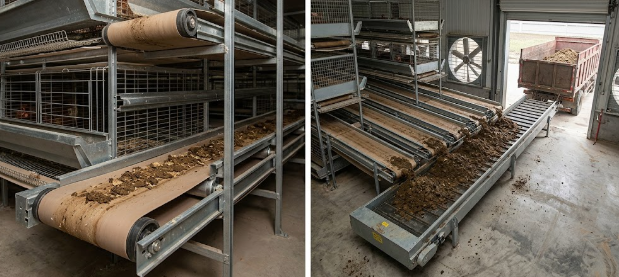
For H‑type and multi‑tier layer cages, a belt manure removal system can collect manure beneath each cage tier and transport it to a cross conveyor, inclined conveyor or external discharge point.
Check the following details:
- Number of manure belts;
- Belt width and material;
- Drive motor position;
- Belt discharge direction;
- Cross conveyor location;
- Maintenance access;
- Manure storage or loading area;
- Cleaning and inspection space.
A poorly planned manure route can make daily cleaning difficult and increase the chance of moisture, odor and ammonia problems. The manure removal system should be matched with the cage rows, poultry house length and farm waste‑handling method.
6. Confirm Egg Collection Requirements
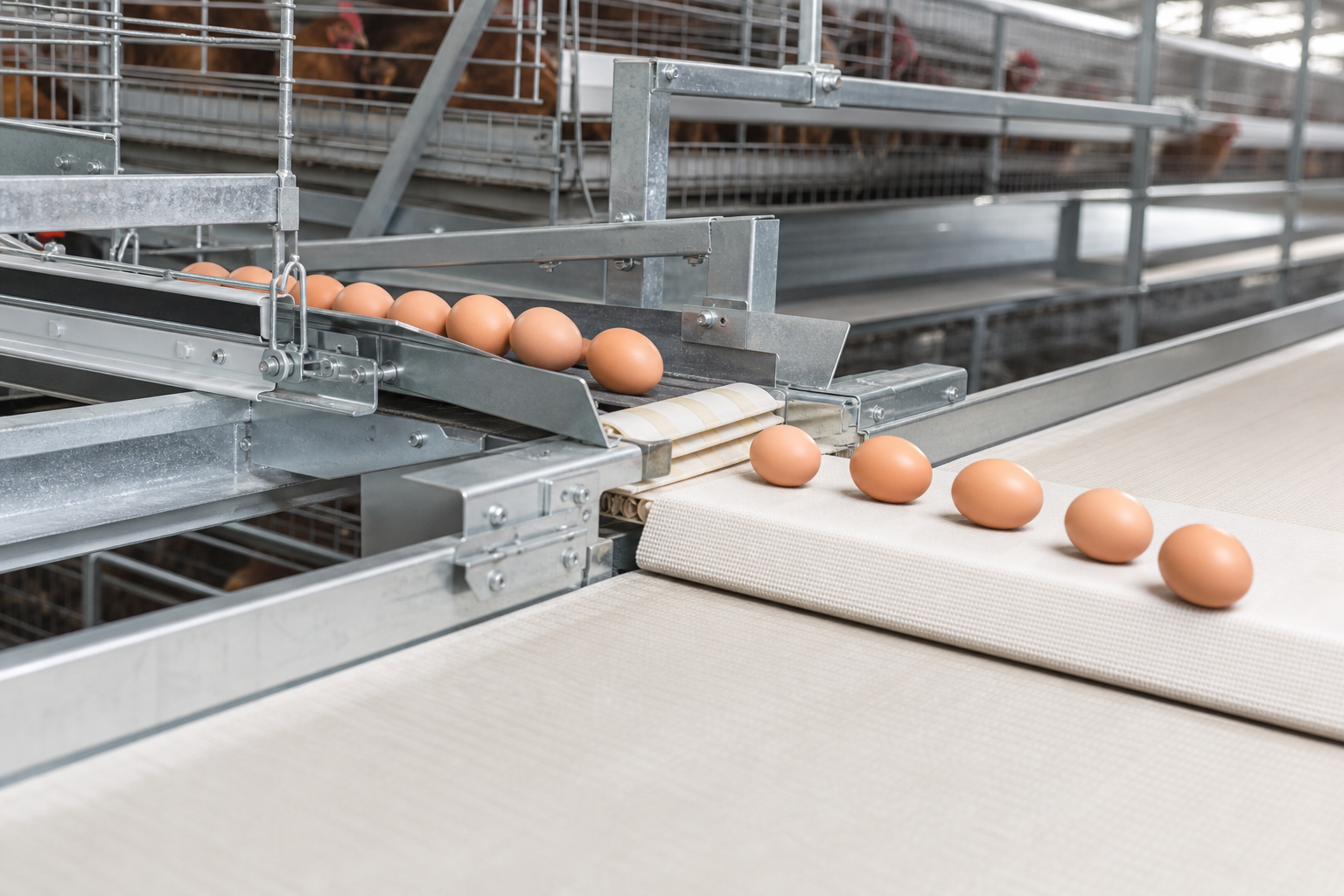
If the farm plans to use automatic egg collection, the cage system should be compatible with egg belts and collection equipment.
A complete egg handling system may include:
- Egg belts;
- Cross conveyors;
- Vertical egg elevators;
- Central egg collection tables;
- Egg grading equipment;
- Egg tray packing machines.
Before selecting a cage system, confirm:
- Number of cage tiers;
- Egg belt position;
- Collection direction;
- Conveyor height;
- Required production capacity;
- Space for packing and storage;
- Connection with existing egg equipment.
For a farm that plans to upgrade gradually, it is important to leave enough space and connection points for future egg collection equipment.
7. Consider Ventilation and Local Climate
An automatic layer cage system must work within the conditions of the poultry house.
Buyers should consider:
- Local temperature;
- Humidity;
- Open‑sided or closed‑house design;
- Number of birds per house;
- Cage density;
- Fan position;
- Cooling pad location;
- Air inlet arrangement;
- Emergency ventilation during power outages.
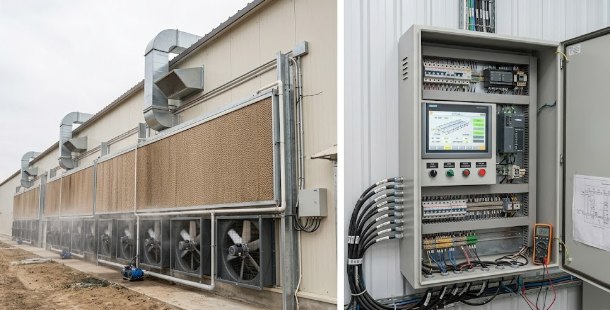
In hot regions, ventilation and cooling equipment should be planned at the same time as the cage system. Adding fans, cooling pads or air inlets after installation may require expensive changes to the poultry house structure.
8. Check Installation, Spare Parts and After‑Sales Support
A competitive layer cage quotation should include more than the equipment price.
Before placing an order, ask the manufacturer about:
- Layout design;
- Equipment list;
- Installation drawings;
- Installation guidance;
- Worker training;
- Warranty terms;
- Spare parts;
- Electrical instructions;
- Remote technical support;
- Delivery and packing arrangements.
Common spare parts may include motors, bearings, belts, switches, sensors, feed outlets, rollers and nipple drinkers.
Information Needed for an Accurate Layer Cage Quotation
Send the following information to the supplier:
- Chicken type;
- Target bird capacity;
- Poultry house length, width and height;
- Number of poultry houses;
- Preferred cage type;
- Number of cage tiers;
- Required automation level;
- Local voltage and frequency;
- Climate conditions;
- Existing equipment, if this is an upgrade project;
- Delivery location or destination port.
Frequently Asked Questions
Which automatic layer cage is best for a commercial farm?
There is no single cage system that fits every farm. A‑type cages may suit small and medium farms with simpler operation requirements, while H‑type or stacked layer cages may suit larger farms that need higher capacity and more automation.
Can automatic layer cages be used in an existing poultry house?
In many cases, existing poultry houses can be upgraded. However, the building height, width, floor condition, aisle space, power supply and existing cage layout must be checked first.
What equipment should be included with automatic layer cages?
A complete system may include feeding, drinking, manure removal, egg collection, ventilation and electrical control equipment. The exact configuration depends on the farm size and project requirements.
How can I receive an accurate layer cage quotation?
Send the manufacturer your poultry house dimensions, target bird capacity, chicken type, preferred automation level and delivery location. A quotation based on actual project information is more useful than a general price list.
---
Choosing an automatic layer chicken cage is not simply a matter of comparing prices. The cage system must match your poultry house, bird capacity, feeding method, manure handling, egg collection plan, climate and future expansion requirements.
Send us your poultry house dimensions, target capacity and preferred automation level.
Want to know more?
Get in touch with us for more information about our services and products.