
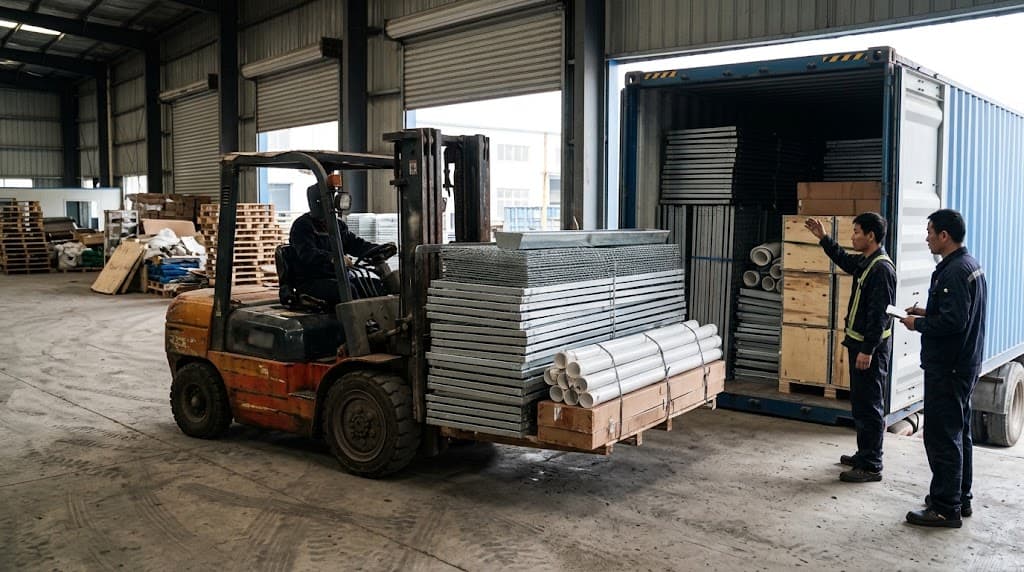
Chicken Cage Shipping Guide: What Should Overseas Buyers Check Before Container Loading?
For an overseas poultry farm project, ordering the chicken cage system is only the first step. The equipment still needs to be packed, loaded into containers, shipped safely, cleared through customs, unloaded at the destination, and installed in the poultry house.
A layer cage project may include much more than cage wire and frames. Depending on the farm configuration, the shipment can also include drinking lines, feeding equipment, manure removal equipment, egg collection equipment, motors, electrical components, spare parts, tools, layout drawings, and installation documents.
Before container loading, overseas buyers should understand exactly what is included in the shipment and what needs to be prepared before the container arrives.
Why Is Container Loading Important for a Chicken Cage Project?
Chicken cage systems contain many long, heavy, and small components. Cage frames, wire mesh, drinking pipes, feed troughs, manure belts, motors, egg belts, connectors, and spare parts need to be packed in an organized way.
A clear container loading plan helps buyers:
- Check whether all quoted equipment is included
- Identify each package after arrival
- Reduce missing small parts during unloading
- Protect motors and electrical components during transport
- Organize the installation sequence
- Prepare the poultry house before equipment arrival
- Avoid delays caused by unclear packing or missing documents
For a commercial poultry farm, a good shipment plan is part of the overall project plan.
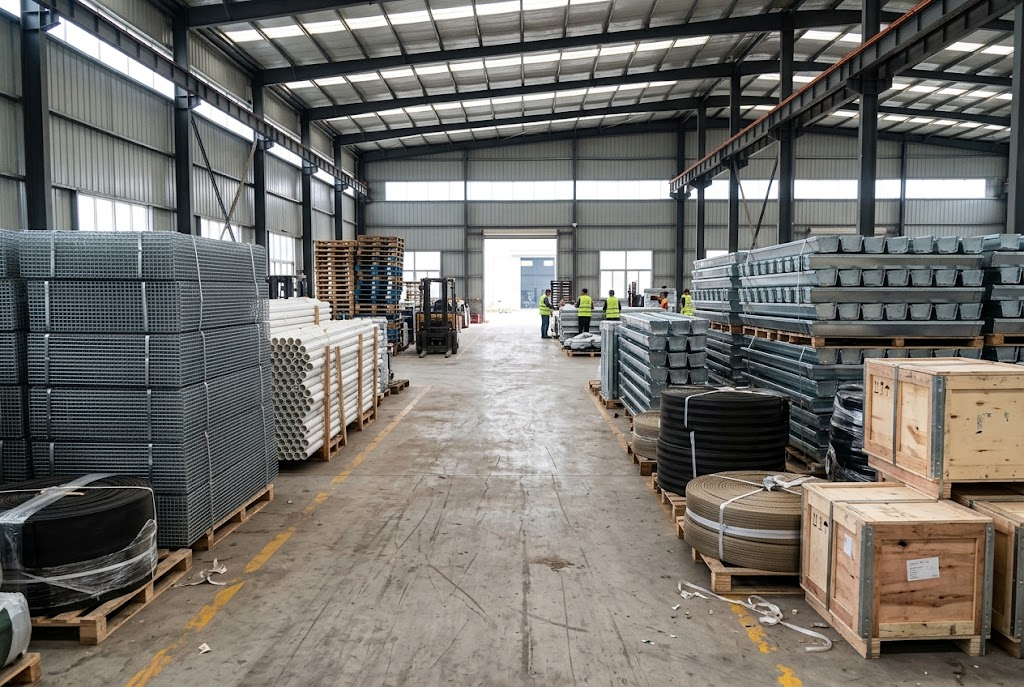
What Equipment May Be Included in a Chicken Cage Shipment?
The final shipment depends on the cage type and automation level selected for the farm.
| Equipment section | Items that may be included |
|---|---|
| Cage structure | Cage wire mesh, support legs, frames, brackets, cage doors, feed troughs |
| Drinking system | Nipple drinkers, water pipes, pressure regulators, filters, connectors |
| Feeding system | Feed trough parts, feeding machine, tracks, motors, control components |
| Manure removal | Manure belts, rollers, scrapers, drive parts, motors, discharge components |
| Egg collection | Egg belts, elevators, transfer sections, motors, control components |
| Environmental control | Exhaust fans, cooling pads, air inlets, controllers and accessories |
| Spare parts | Drinkers, clips, connectors, belts, electrical parts and high-wear components |
| Installation documents | Layout drawing, packing list, equipment list, installation guidance and wiring information |
The buyer should request a detailed equipment list before shipment. A quotation described only as "10,000-layer cage system" is not detailed enough for checking the delivered goods.
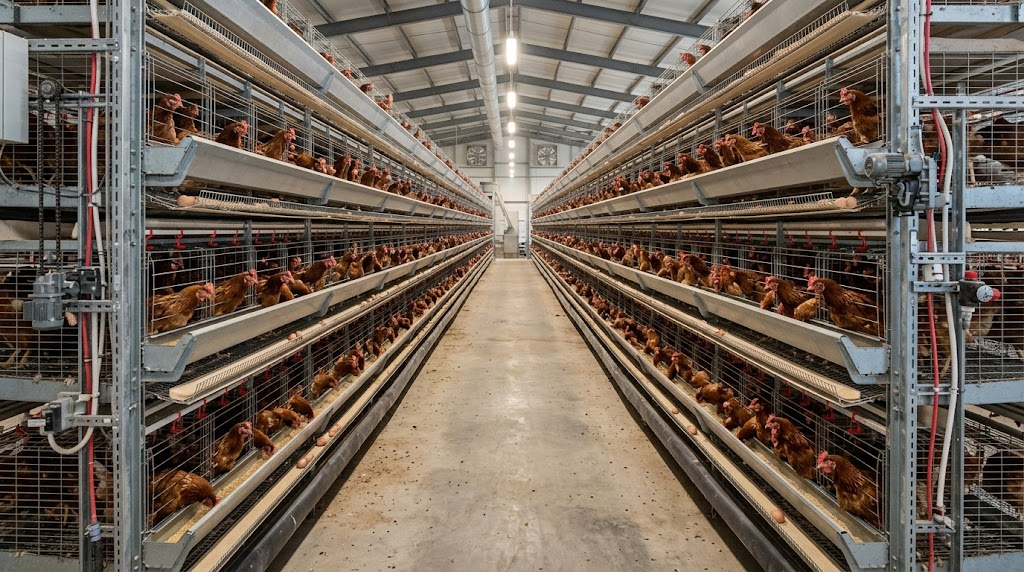
Check the Cage System and Accessories
The shipment should clearly show which cage system has been ordered.
For example, an A-type cage project and an H-type cage project can have very different frame structures, capacity arrangements, accessory requirements, and automation options.
A-Type Layer Chicken Cage System
H-Type Galvanized Layer Chicken Cage System
Before loading, confirm:
- Cage type
- Number of cage rows
- Number of cage tiers
- Total designed bird capacity
- Cage frames and support legs
- Feed troughs
- Cage doors and accessories
- Cage clips, bolts, screws and connectors
- Drinking system components
- Required installation tools
Small cage accessories should be packed separately and labeled clearly. This makes the installation process much easier after the container arrives.
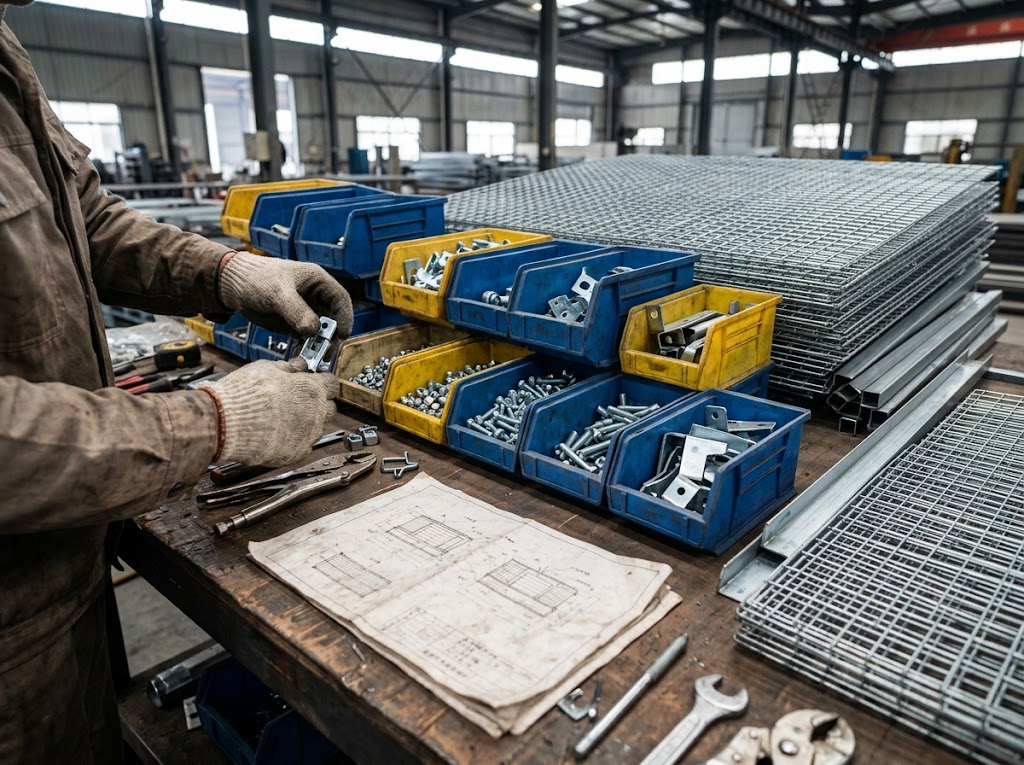
Request a Detailed Packing List
A packing list is one of the most important documents for overseas buyers.
It should allow the buyer to check every package after unloading. A useful packing list normally includes:
| Packing list information | Why it matters |
|---|---|
| Package number | Helps identify each package during unloading |
| Equipment name | Shows what is inside the package |
| Quantity | Makes it easier to compare received goods with the quotation |
| Gross weight and net weight | Helps plan unloading equipment and labor |
| Package dimensions | Helps plan storage space and transport from port to farm |
| Container number | Helps match equipment with the correct shipment |
| Equipment section | Helps separate cages, drinking systems, motors, spare parts and electrical items |
For a larger project, it is useful to label packages by installation area, such as:
Cage Row 1 Parts
Cage Row 2 Parts
Drinking System Parts
Automatic Feeding System Parts
Manure Belt System Parts
Egg Collection System Parts
Electrical Control Parts Spare Parts Installation Tools
This avoids opening every package at once and makes it easier to install the equipment in the correct sequence.
Check Feeding Equipment Before Shipment
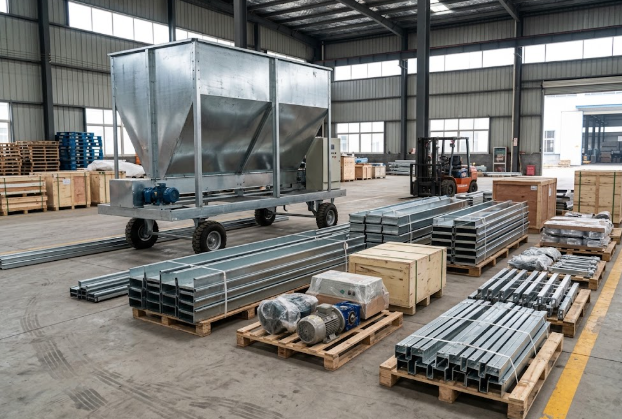
Some poultry cage quotations include only feed troughs. Others include a complete automatic feeding system with a feeding machine, motor, track, hopper, and control components.
Automatic Poultry Cage Feeding Machine
Before container loading, check whether the feeding system includes:
- Feed troughs
- Feeding machine
- Motor
- Track or travel rail
- Supporting parts
- Electrical control components
- Required connectors
- Spare parts
- Installation instructions
The packing list should separate feeding equipment from cage structure parts. This helps the farm team identify the feeding system quickly during installation.
Check the Manure Removal System
For automated layer farms, manure removal equipment should be listed separately from the cage system.
Automatic Manure Belt Removal System
Before loading, confirm whether the shipment includes:
- Manure belts
- Belt rollers
- Drive units
- Motors
- Scrapers
- Discharge-end components
- Belt-related connectors
- Electrical components
- Spare parts for high-wear items
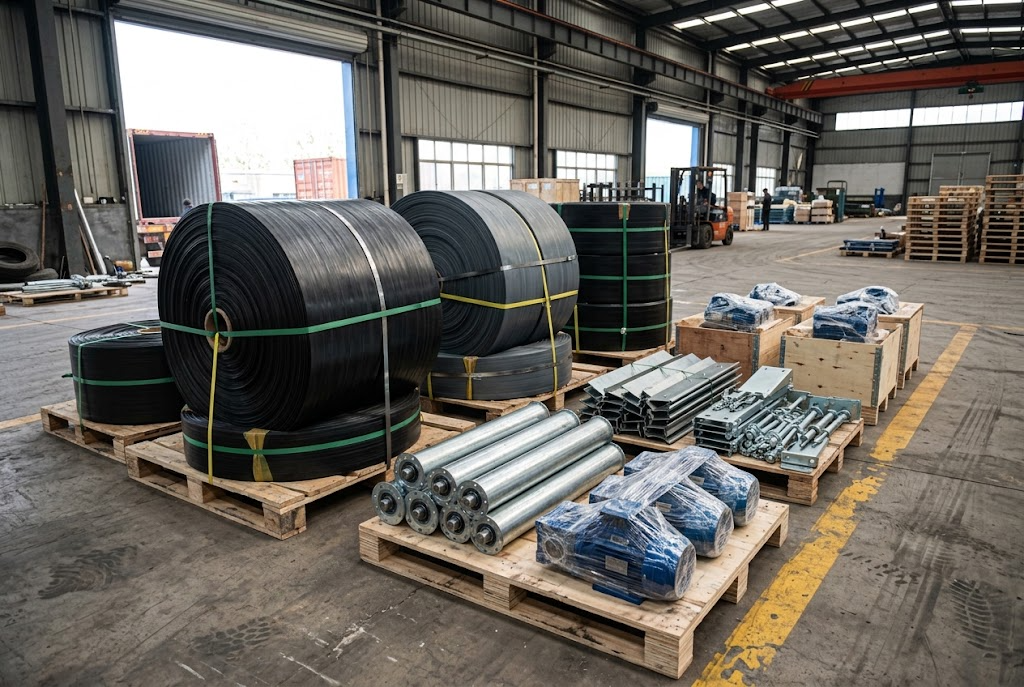
Manure belt parts should be protected from damage during transportation. The buyer should also know which packages contain the belt system so that they can be stored properly after unloading.
Check the Egg Collection Equipment
Egg collection equipment can include belts, elevators, transfer components, motors, and control parts.
Vertical Egg Collection System for Layer Cages
Before shipment, ask:
- Is egg collection manual or automatic?
- Are egg belts included?
- Is the egg elevator included?
- Is the transfer section included?
- Are motors included?
- Are electrical control components included?
- Is the equipment prepared for future connection to egg packing equipment?
- Are spare parts included?
The buyer should ensure that the egg collection equipment matches the cage layout and the planned egg handling process.
Do Not Forget Ventilation and Environmental Control Equipment
For hot-climate countries, closed poultry houses, or higher-density layer farms, ventilation and cooling equipment may be an important part of the shipment.
Poultry House Ventilation and Cooling System
The buyer should check whether the shipment includes:
- Exhaust fans
- Cooling pads
- Air inlets
- Controllers
- Sensors
- Mounting accessories
- Electrical components
- Spare parts
- Layout or installation guidance
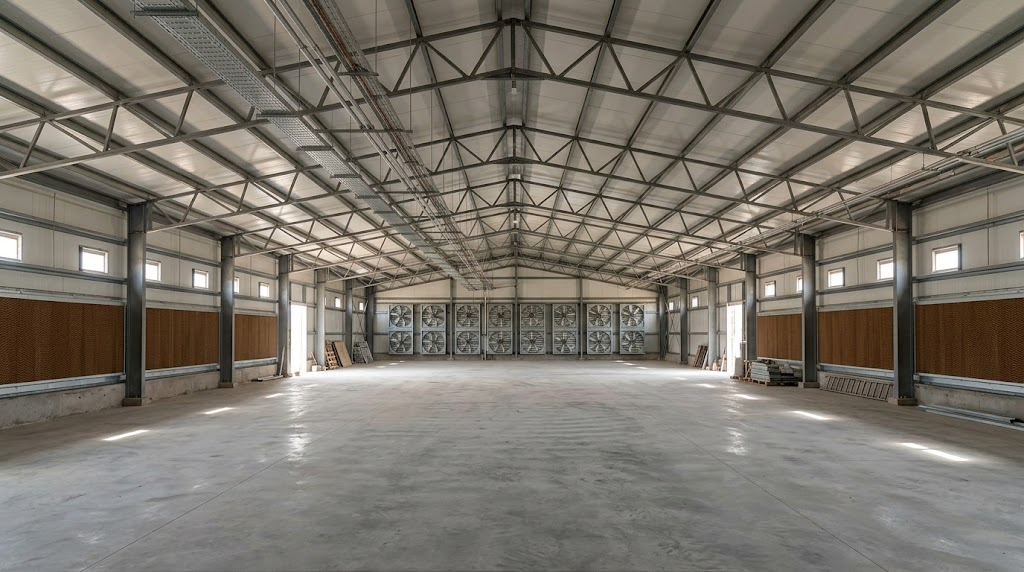
The poultry house should be ready for fan installation, cooling pad installation, electrical connection, and airflow planning before equipment arrives.
Check Spare Parts Before the Container Is Sealed
Spare parts are especially important for overseas poultry farms because some replacement parts may not be easy to source locally.
A spare parts list may include:
- Nipple drinkers
- Pipe connectors
- Cage clips and fasteners
- Feeding system wear parts
- Belt-related parts
- Egg collection components
- Motors or motor accessories
- Electrical components
- Sensors
- Other high-wear parts
Ask for a separate spare parts packing list. This helps ensure that spare parts are not mixed with general installation components and can be stored safely for future use.
What Shipping Terms Should Be Confirmed?
Before the container is loaded, both buyer and supplier should clearly understand the shipping term.
| Shipping term | What it generally means |
|---|---|
| EXW | Buyer arranges pickup from the supplier's factory |
| FOB | Supplier delivers goods to the agreed loading port |
| CFR | Supplier arranges sea freight to the destination port |
| CIF | Supplier arranges sea freight and insurance to the destination port |
| Door-to-door | The agreed scope should clearly state delivery, clearance and local transport responsibilities |
Also confirm:
- Loading port
- Destination port
- Container quantity and type
- Estimated shipping schedule
- Sea freight scope
- Insurance scope
- Customs clearance responsibility
- Local port charges
- Inland delivery to the poultry farm
- Unloading responsibility at the destination
What Should the Farm Prepare Before the Container Arrives?
The farm should prepare before the goods arrive, not after unloading starts.
Make sure the following are ready:
- Completed poultry house structure
- Finished floor and access roads
- Electricity connection
- Water source
- Dry storage area for equipment
- Container or truck unloading access
- Workers or installation team
- Basic installation tools
- Space to separate packages by equipment section
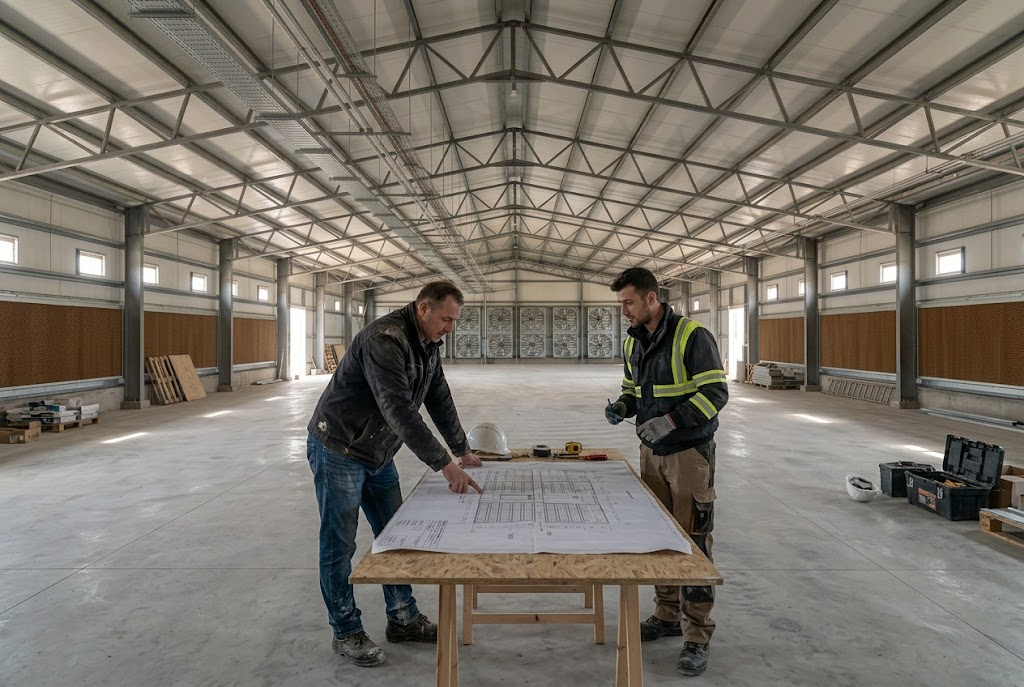
- Layout drawings and equipment list
If the poultry house is not ready, the equipment may be exposed to rain, dust, loss, or unnecessary handling after unloading.
What Documents Should Buyers Request Before Shipment?
Before the final shipment, request the following documents:
- Final equipment list
- Final quotation
- Packing list
- Poultry house layout drawing
- Cage layout drawing
- Installation sequence
- Drinking system diagram
- Electrical connection information
- Spare parts list
- Loading photos or loading video
- Remote installation guidance arrangement
These documents help the buyer verify the shipment and prepare the farm team for installation.
Final Checklist Before Container Loading
Before the container is sealed, confirm the following:
- Does the equipment list match the final quotation?
- Is the cage type and bird capacity correct?
- Are feeding, manure removal and egg collection systems included as agreed?
- Are drinking system components included?
- Are motors and electrical parts packed safely?
- Is there a separate spare parts list?
- Is the packing list complete?
- Are packages clearly labeled?
- Are layout drawings and installation documents available?
- Has the farm prepared unloading access and storage space?
Final Recommendation
A successful poultry cage project does not end when the goods leave the factory. It continues through container loading, shipment, unloading, installation, testing, and daily farm operation.
Before container loading, make sure the equipment scope, packing list, spare parts, shipping term, installation documents, and farm preparation plan are clear.
Want to know more?
Get in touch with us for more information about our services and products.