
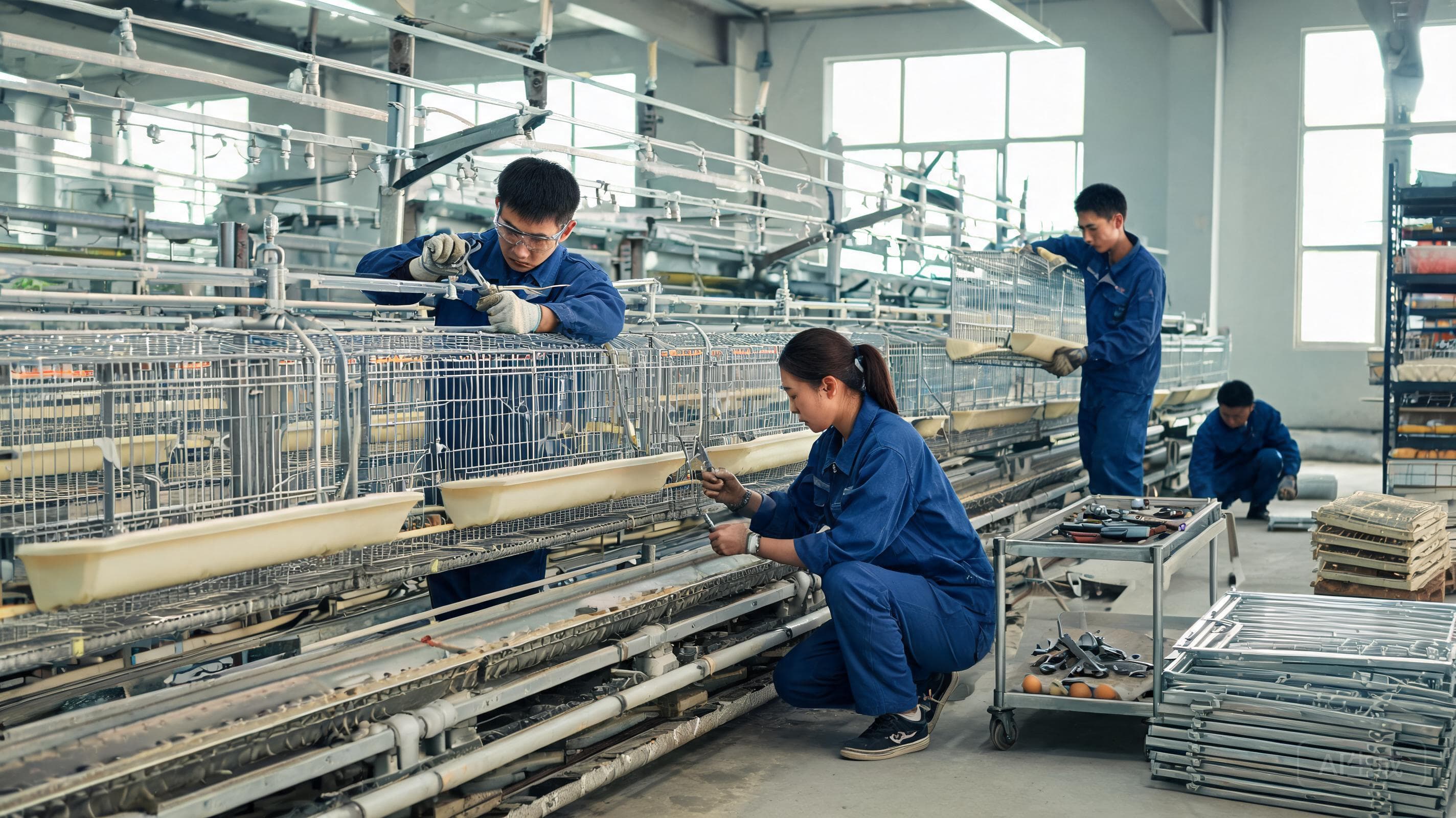
Build a More Efficient Poultry Operation with the Right Automatic Cage System
When labor, feed costs, and output pressures converge
Poultry producers face a demanding operating equation: daily work is labor-intensive, input costs pressure margins, and production must remain reliable as labor availability and farm conditions change. Inconsistent feed distribution, frequent manual handling, and avoidable egg damage can add costs and make results harder to predict.
Investment decisions also reflect consumer preferences, cage-free production debates, and evolving regulations. The right poultry housing system depends on your markets, applicable local standards, and farm design. Automation is not a universal answer; it is an operational investment that should address specific constraints. The right equipment can reduce repetitive work and improve consistency when matched to your production model.
Start with your production model and operating constraints
Before comparing a Poultry Cage System, define the conditions it must serve: flock size, house dimensions, ventilation, labor availability, target capacity, and local requirements. These factors affect layout, automation options, and practical installation capacity. A configuration that suits one house may not suit another.
An A-type Layer Cage System may suit farms with a compatible house layout and operating approach, while an H-type galvanized system can make greater use of vertical space and support integrated automation. The best fit depends on building dimensions, ventilation design, maintenance access, and the level of automation required.
Do not base a housing decision on stocking density alone. Consider customer expectations and applicable welfare rules alongside labor, production targets, and facility constraints. Broiler housing should be evaluated only when it matches the species, production model, and market requirements. For egg production, specify a Layer Cage System for the intended flock and workflow.
Connect equipment choices to measurable operating improvements
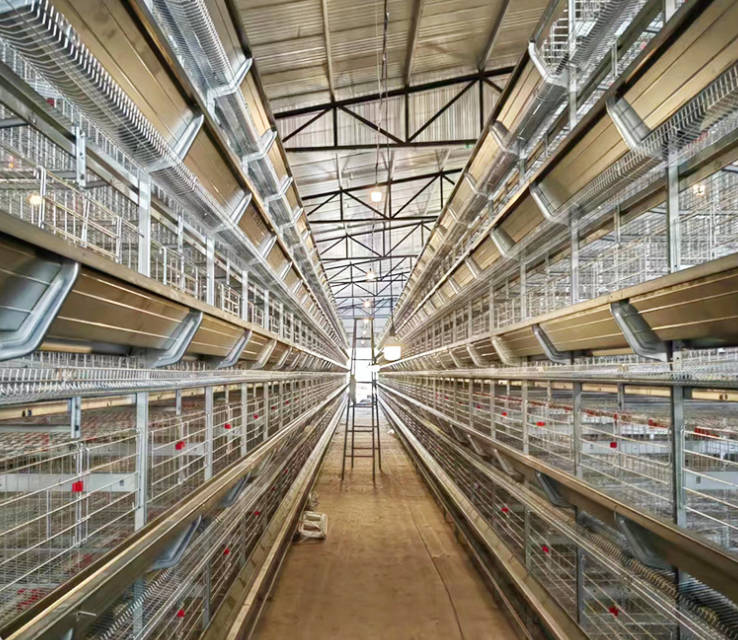
Automation is most useful when it addresses identifiable work and cost drivers. An automatic feeding system can reduce manual tasks and support more consistent feed distribution. An overhead travelling feeder, for example, can be configured to suit the house and management plan. Evaluate its fit against your feeding routine, feed use, and labor hours rather than assuming a fixed saving.
A belt manure removal system can simplify cleaning, limit manure accumulation beneath cages, and support centralized collection. Depending on site conditions and local requirements, collected manure may be directed toward composting or biogas production. Specify belt configuration, discharge points, cleaning access, and compatibility with the rest of the installation.
An Egg Collection System uses conveyors to collect eggs automatically, reducing handling steps between the house and packing area. Pairing collection equipment with an automatic egg tray packing machine can further streamline the workflow. Conveyor integration, adjustable operating speeds and tray settings, and careful egg handling help align packing capacity with collection while aiming to limit manual handling and breakage.
For larger operations, an Automatic Chicken Cage can integrate feeding, drinking, egg collection, and manure removal. Plan a complete production line around the full process—from house operations through egg collection and packing—rather than selecting disconnected machines. Review how precision automation may affect poultry efficiency and egg loss, and validate any figures against your own operating conditions.
Use industry evidence carefully when evaluating returns
Industry articles can help identify questions to investigate, but headline percentages are not universal performance guarantees. The article “Transforming Poultry Farming: How Automated Cage Systems Solve Labor, Efficiency, and Profitability” includes a 90% figure. Before using it as a benchmark, confirm what the percentage measures, the study context, and whether the farm conditions resemble yours.
Likewise, “The cage-free egg sector: perspectives of Indian poultry producers” can help frame challenges producers report when considering a transition to cage-free facilities. “Sustainable Poultry Production Systems: Integrating Innovation, Resilience, and Future Challenges” is also relevant when weighing space use, operational performance, and sustainability. Treat the reported 0.8% figure associated with “Challenges and constraints to the sustainability of poultry farming in Republic of Korea” as context-specific; verify its definition and relevance before including it in a business case.
Build your estimate from farm data: labor hours, feed losses, egg damage, maintenance requirements, energy use, and expected service life. Include installation and training costs, then compare performance over a realistic operating period. A farm-specific poultry automation ROI calculation is more useful than applying a universal return estimate to a different facility.
Assess the full installation, not just the cage price
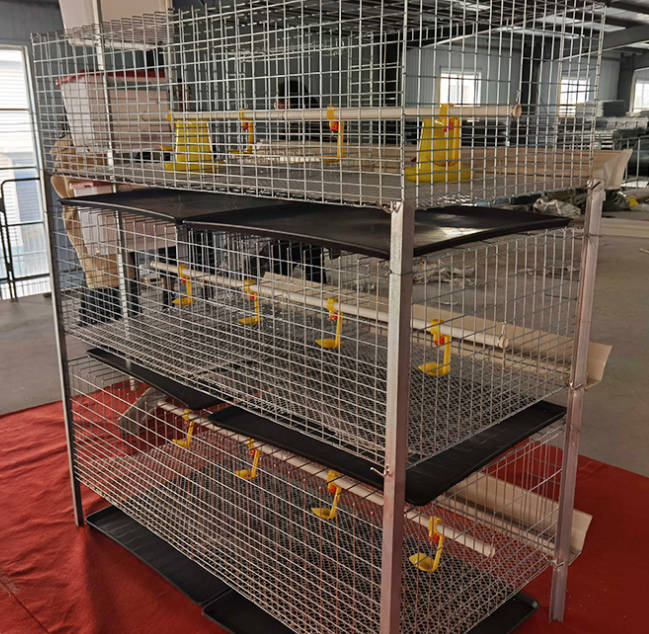
The purchase price is only one part of a successful project. Installation planning should cover house layout, equipment compatibility, electrical and water connections, ventilation, commissioning, and staff training. Confirm responsibility for each task, site preparation requirements, and how the system will be tested before operation.
When reviewing a Turnkey Poultry Farm proposal, check its scope, capacity, automation level, installation responsibilities, after-sales support, and spare-parts availability. A custom Poultry Cage System may be preferable when house dimensions, climate, or production targets call for adaptations beyond a standard configuration. Ask the manufacturer for detailed specifications, corrosion protection information, relevant references, and a clear equipment list.
Choose a supplier prepared to support your farm over time
Assess suppliers on manufacturing quality, project engineering, export experience, installation guidance, warranty terms, and technical support—not just the initial quotation. Request evidence that their production and project processes can meet your requirements. This is especially important when sourcing equipment for projects with defined delivery and compliance needs.
Confirm that the proposed Automatic Chicken Cage configuration integrates the functions your operation needs: feeding, drinking, egg collection, and manure removal. Include an Environmental Control System where required; it regulates temperature and ventilation. Compatibility across components affects daily operation, maintenance access, and future expansion. Ask the supplier to tailor its recommendation to your facility, existing infrastructure, and local compliance requirements.
Turn your equipment shortlist into a project plan
Make the decision in sequence: define your production model, select a suitable Layer Cage System or other configuration, map the automation required, and validate the investment with farm-specific figures. Whether you are planning commercial housing for an established facility or a broader poultry automation system, the right package should fit your house, workforce, and target market.
Share your flock capacity, house drawings, location, and target automation level with a qualified supplier to support a practical layout review and equipment recommendation. Request a configuration that covers the complete equipment scope, including installation responsibilities and ongoing support.
Want to know more?
Get in touch with us for more information about our services and products.