
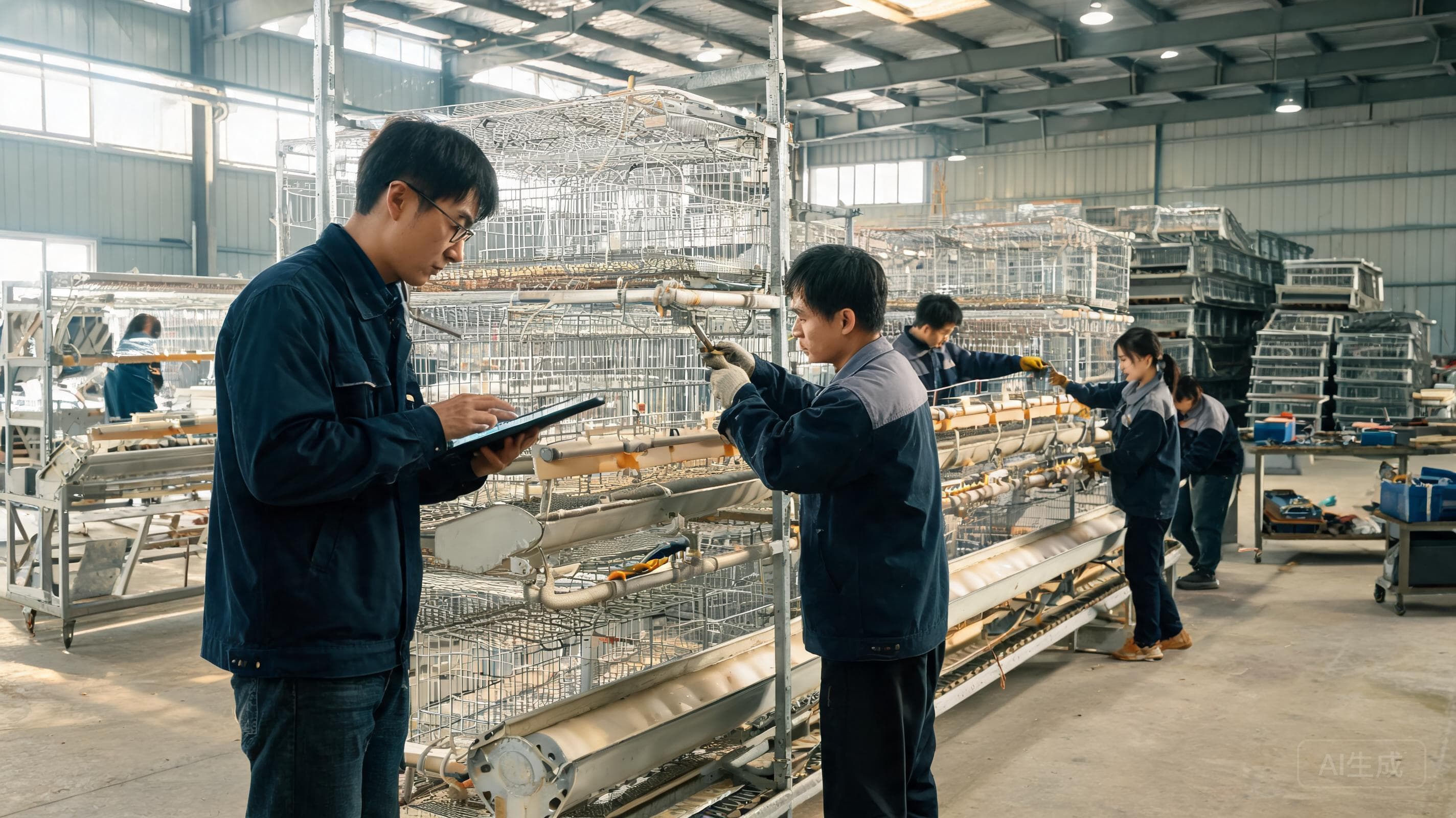
Build a More Efficient Poultry Operation with the Right Automatic Chicken Cage System
When labor pressure and rising costs put farm profitability at risk
Labor shortages, rising input costs, and the need for consistent flock care can make it harder to protect margins as a poultry business grows. For egg producers, daily tasks—from feeding and watering to egg collection and manure handling—affect labor requirements, hygiene, throughput, and egg quality.
Producers are also weighing market expectations around cage-free production and sustainability. Research on Indian poultry producers, for example, highlights practical challenges in transitioning from battery cage systems to cage-free facilities. The right choice depends on your market, regulations, building, and production goals.
Automation is a business decision, not simply an equipment upgrade. A well-matched Poultry Cage System can coordinate daily operations and support a consistent workflow, but its configuration needs to suit your flock, production model, and growth plans.
What a complete Poultry Cage System should deliver
A Poultry Cage System integrates housing, feeding, drinking, egg collection, manure handling, and farm management. Coordinating these functions can reduce fragmented workflows and make daily operations easier to plan. An Automatic Chicken Cage is a fully automated cage system with feeding, drinking, egg collection, and manure removal. Confirm which functions are included in the proposed configuration.
Capacity and purchase price matter, but they are not the only measures of suitability. Assess space use, bird comfort, ventilation, hygiene, durability, and maintainability alongside capacity. A poultry housing system should reflect local standards and production goals; equipment that suits one market or building may not suit another.
Sustainable poultry production depends on efficiency and resilience. A system that streamlines routine work may support operational consistency, but suitability still depends on regulations, flock management, and site conditions. Discuss these requirements with a chicken cage supplier before finalizing a design.
Match the equipment configuration to your farm and production model
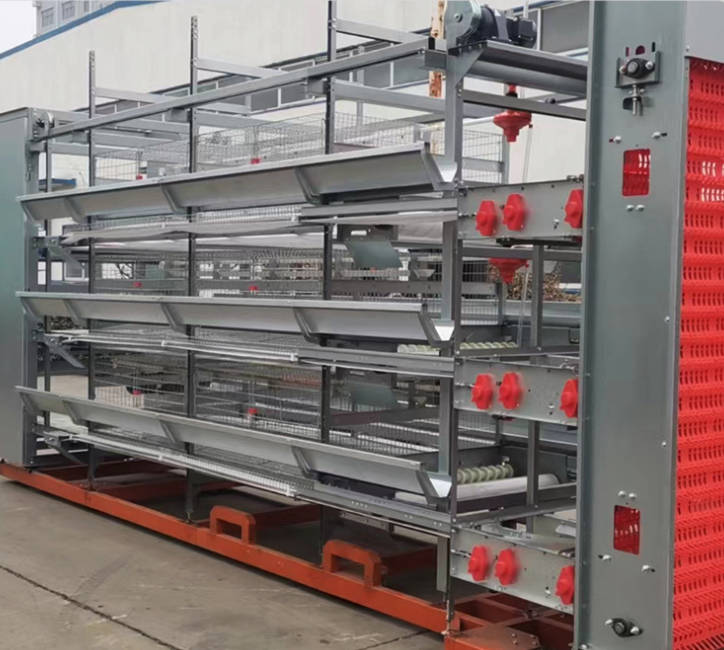
For layer operations, the Chicken Farm Automatic Egg Picking Machine Breeding Cage Chicken Raising Equipment Vertical Automation Three layer Egg Chicken Cage Multi layer Chicken Cage is described as a modular, three-layer Layer Cage System with independent feeding, drinking, and cleaning equipment, alongside an Egg Collection System. The configuration uses high-strength galvanized wire, has a stated capacity of up to 50,000 birds per building, and specifies an egg-picking conveyor breakage rate below 0.5%. These are manufacturer-provided specifications; confirm details for your proposed configuration, building, and operating conditions.
The Large stacked egg chicken equipment, breeding cage, fully automated chicken cage installation, hot-dip galvanized broiler cage, stacked type is described with automated feeding, drinking, and manure cleaning. Ask the supplier to identify the intended bird type and confirm which automation components are included.
The Small stacked egg chicken cage, three-dimensional stepped breeding farm, three story and four story breeding cage is described for three-dimensional breeding, with a stated capacity of 5,000–6,000 birds. Treat this as a configuration-specific estimate and validate it against building dimensions, flock plans, and applicable requirements.
Bird type and production purpose should guide equipment selection. Broiler chicken cages and broiler systems have different design considerations from cages for layers or a Layer Cage System. Specify the intended bird, production stage, and operating targets before comparing commercial poultry cages or requesting a custom system.
Connect automation across feeding, egg handling, and the poultry house
The Overhead Travelling Feeding Machine for Poultry Cages moves along cage rows to distribute feed. In a properly designed automatic feeding system, this can help standardize feed delivery and reduce routine manual work. Confirm its route, capacity, and compatibility with the proposed cage layout.
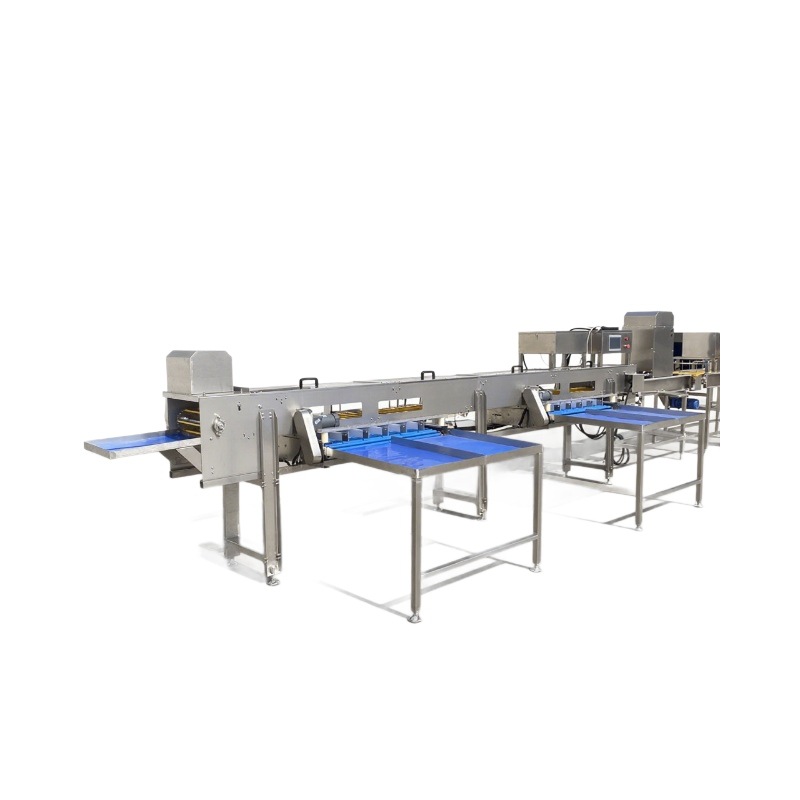
The Automatic Egg Tray Packing Machine for Poultry Farms and Egg Processing Plants receives eggs from a conveyor, counts and arranges them, and loads them into trays. Its speed and tray settings are adjustable, and it is described as having stainless-steel construction. Verify throughput and tray compatibility against your egg conveyor and processing requirements.
The Poultry House Environmental Control System – Ventilation and Cooling for Layer & Broiler Farms coordinates fans, inlets, cooling pads, and controls to manage ventilation, temperature, and humidity. Its design should be considered alongside the house layout and local climate, rather than as a standalone purchase.
These components can form part of a broader poultry farm automation system, alongside a manure removal system where included in the project scope. The goal is to coordinate equipment—from feed distribution and environmental controls to egg handling—instead of adding machines without a plan. For more context, read this overview of vertical poultry automation and operating considerations.
Evaluate the business case before investing
Compare more than the initial equipment price. Assess labor requirements, throughput, egg breakage, feed waste, energy use, maintenance, and expected expansion needs. Include installation and training costs, and clarify which components, services, and spare parts are included in the proposal.
The stated egg breakage rate below 0.5% is a specification to verify for the proposed egg-picking configuration—not a guaranteed farm-wide result. Performance can depend on layout, conveyor setup, equipment condition, and operating practices. Ask the supplier what measurement method and operating conditions support the figure.
Industry coverage may cite figures such as 90%, but a number without a defined metric and operating context cannot support a reliable business case. Confirm what the figure measures, how it was calculated, and whether the conditions resemble your operation.
Build a farm-specific ROI assessment using local labor costs, flock size, housing conditions, market requirements, and expected equipment service life. This guide to poultry automation ROI and less-visible costs can help identify the inputs to examine before committing.
Choose a chicken cage manufacturer that can support the whole project
The right chicken cage manufacturer should explain how the equipment fits your project from specification through commissioning. Before selecting a chicken cage factory, ask about:
- Cage materials, corrosion resistance, and maintenance requirements.
- The exact automation scope and compatibility between machines.
- Building measurements, equipment layout, and installation planning.
- Operator training, spare parts availability, and after-sales service.
- Written documentation of capacity assumptions, specifications, and included components.
Ask whether the supplier can provide a custom Poultry Cage System, coordinate installation, and clarify each project partner’s responsibilities. For a Turnkey Poultry Farm—a complete poultry farm delivered as a full package—define whether the scope includes industrial poultry cages, poultry equipment, environmental controls, installation, commissioning, and ongoing technical support.
If you are sourcing export poultry cages, confirm shipping configuration, applicable standards, documentation, and local import and animal-welfare requirements with the supplier. These details can affect project timing, installation, and suitability for your destination market.
Plan your next step toward a more automated farm
Start by selecting a layer or broiler configuration, defining the required automation level, and sizing the system for current production and planned growth. Share your bird type, farm capacity, building dimensions, automation targets, and destination market with a qualified chicken cage supplier or poultry equipment manufacturer. These details help the supplier assess your project and prepare a relevant proposal.
Want to know more?
Get in touch with us for more information about our services and products.