
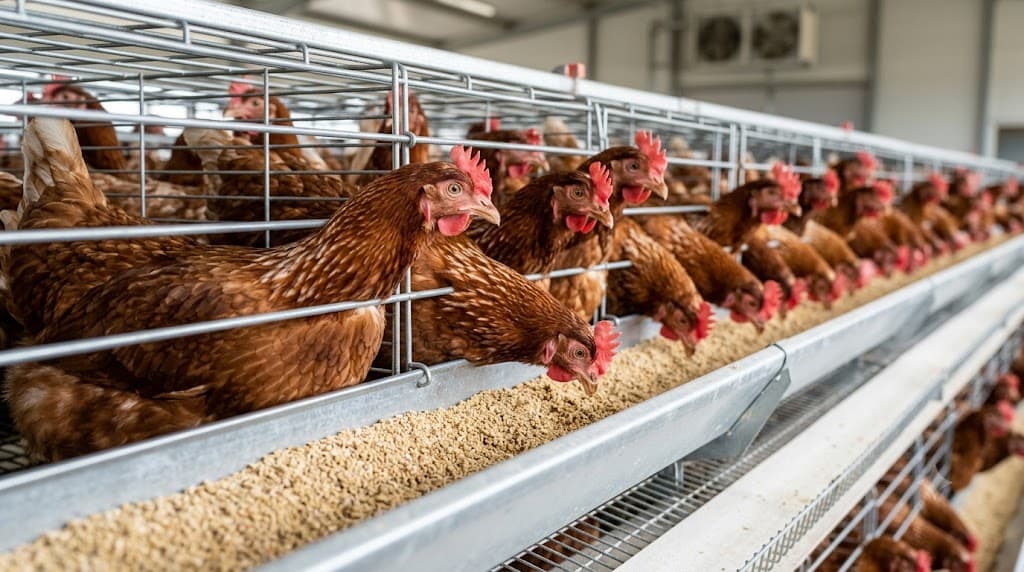
Как уменьшить кормовые отходы в клеточных фермах
Корм — одна из крупнейших ежедневных статей расходов на птицефабрике с клеточным содержанием несушек. Даже небольшое количество потерь корма может со временем превратиться в значительные затраты, особенно на фермах с тысячами или десятками тысяч кур-несушек.
При клеточном содержании несушек потери корма могут происходить по многим причинам: неподходящая конструкция кормушки, неравномерное распределение корма, перекорм, плохая настройка кормораздатчика, поведение птицы, качество корма или слабый ежедневный менеджмент.
Сокращение потерь корма — это не только экономия корма. Это также помогает поддерживать чистоту в птичнике, уменьшает количество вредителей и делает управление фермой более стабильным.
В этой статье объясняются практические способы сокращения потерь корма на птицефабриках с клеточным содержанием несушек и то, на что следует обратить внимание покупателям оборудования перед выбором клеточной системы.
1. Проверьте конструкцию кормушки
Потери корма часто начинаются с кормушки. Если кормушка слишком мелкая, слишком узкая или не соответствует конструкции клетки, птицы могут выталкивать корм во время еды.
Хорошая кормушка должна:
- Вмещать достаточно корма для ряда клеток
- Позволять птицам есть с комфортом
- Уменьшать рассыпание корма за пределы кормушки
- Легко чиститься
- Соответствовать дверце клетки и положению птицы
- Иметь гладкую поверхность без острых краев
Для клеток А-типа и Н-типа кормушка должна быть спроектирована в соответствии с размером клетки, количеством птицы и методом кормления. Если кормушка не подходит к клеточной системе, потери корма могут происходить ежедневно.
При сравнении коммерческих предложений на клетки для кур покупателям следует интересоваться не только вместимостью клеток. Также необходимо проверять материал кормушки, ее форму, толщину и способ установки.
2. Избегайте переполнения кормушки
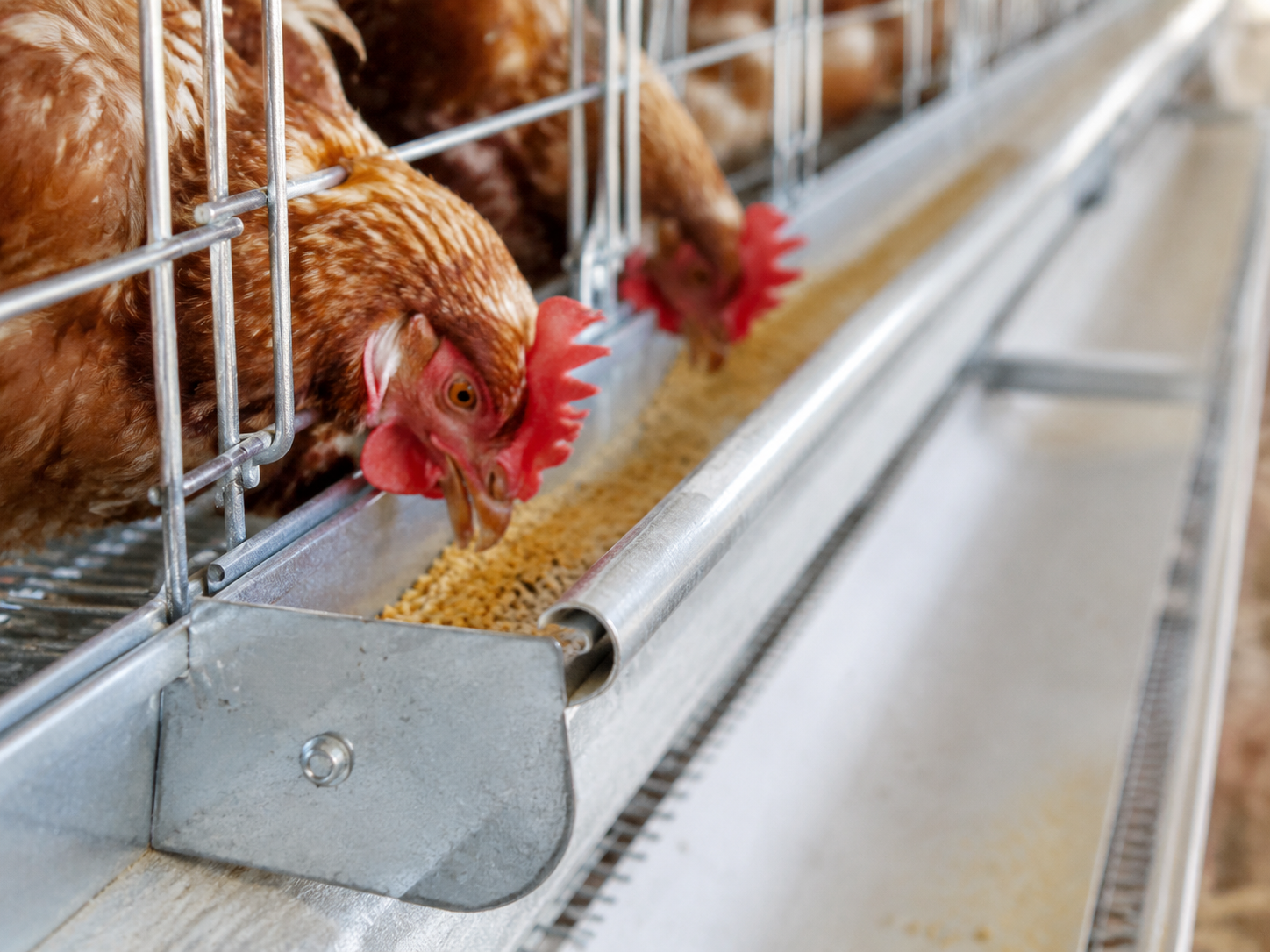
Переполнение — одна из самых распространенных причин потерь корма.
Если в кормушку единовременно помещается слишком много корма, птицы могут легко его разгребать, выталкивать или ронять за пределы кормушки. Это особенно часто случается, когда работники кормят вручную и пытаются сэкономить время, добавляя больше корма за один раз.
Чтобы уменьшить эту проблему:
- Не наполняйте кормушку слишком высоко
- Кормите подходящими порциями
- Соблюдайте постоянное время кормления
- Проверяйте, остается ли корм после каждого кормления
- Регулируйте количество корма в зависимости от возраста птицы и стадии продуктивности
Для ферм с ручным кормлением важно обучение персонала. Для более крупных ферм автоматическое кормовое оборудование может помочь более равномерно распределять корм.
3. Обеспечьте равномерное распределение корма
Неравномерное распределение корма может привести как к потерям, так и к ухудшению продуктивности птицы.
Если в одни клетки попадает слишком много корма, а в другие — слишком мало, птицы в зонах перекорма могут тратить корм впустую, в то время как птицы в зонах недокорма могут сильнее конкурировать. Это может привести к неравномерному состоянию тела и проблемам с продуктивностью.
Для длинных рядов клеток или средних и крупных ферм равномерное распределение корма становится более сложной задачей при ручном кормлении.
Автоматический кормораздатчик может помочь более равномерно распределять корм вдоль рядов клеток. Он особенно полезен, когда:
- На ферме много рядов клеток
- Ряды клеток длинные
- Ручное кормление занимает слишком много времени
- Работники не могут поддерживать постоянный уровень корма
- Ферма стремится к более стабильному ежедневному управлению кормлением
Цель — не только кормить быстрее, но и кормить более равномерно.
4. Правильно настройте кормораздатчик
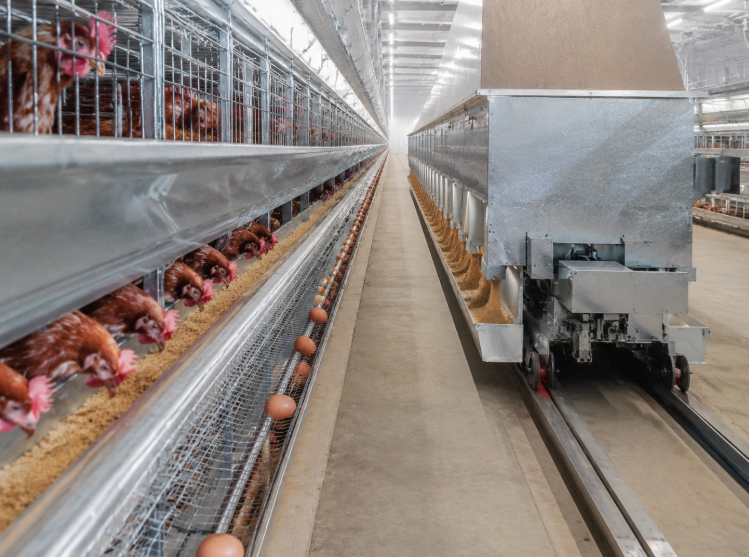
Автоматическое кормовое оборудование может снизить трудозатраты и повысить стабильность, но только при правильной настройке.
Если машина работает слишком быстро, слишком медленно или выдает слишком много корма, потери все равно могут происходить. Если выходное отверстие для корма отрегулировано плохо, одни участки ряда могут получать больше корма, чем другие.
При использовании автоматического кормораздатчика проверяйте:
- Открытие выходного отверстия для корма
- Скорость движения машины
- Уровень корма в каждой кормушке
- Равномерно ли распределяется корм от начала до конца
- Плавность хода машины по рельсу
- Нет ли засоров корма в какой-либо точке
- Не перегружена ли кормушка
Регулярная настройка важна, поскольку тип корма, возраст птицы и стадия продуктивности могут меняться со временем.
5. Согласуйте форму корма с клеточной системой
Форма корма также может влиять на потери. Очень мелкий корм может легче рассыпаться, в то время как неравномерный размер частиц может заставлять птиц выбирать определенные части и оставлять другие.
Распространенные проблемы, связанные с кормом, включают:
- Корм слишком пылевидный
- Корм расслаивается во время транспортировки
- Птицы сначала выбирают более крупные частицы
- Корм становится влажным или липким
- Корм плохо хранится перед скармливанием
Чтобы уменьшить потери, фермы должны поддерживать корм сухим, свежим и однородным. Хранение корма также должно быть защищено от дождя, влаги, грызунов и загрязнений.
Если на ферме используется автоматическое кормовое оборудование, корм должен свободно проходить через систему без засоров.
6. Проверьте плотность посадки птицы и комфорт в клетке
Потери корма могут увеличиться, если птицы переуплотнены, испытывают стресс или дискомфорт.
Когда в одну клетку помещается слишком много птиц, пространство для кормления становится ограниченным. Некоторые птицы могут отталкивать других, что приводит к рассыпанию корма. Слабые птицы могут недоедать, в то время как более сильные птицы могут тратить больше корма во время конкуренции.
Перед покупкой клеток для несушек проверьте:
- Количество птиц в клетке
- Пространство для кормления на одну птицу
- Глубину и ширину клетки
- Доступ птицы к кормушке
- Могут ли все птицы есть с комфортом
- Соответствует ли конструкция клетки породе и размеру тела
Подходящее расположение клеток помогает птицам есть более спокойно и снижает ненужные потери корма.
7. Улучшите условия в птичнике для поддержки нормального кормления
Птицы не едят нормально, когда условия в птичнике плохие.
Высокая температура, плохая вентиляция, сильный запах аммиака или высокая влажность могут повлиять на потребление корма и поведение птицы. В жаркую погоду куры могут снижать потребление корма днем и есть больше в прохладное время. Если управление кормлением не корректируется, больше корма может оставаться или тратиться впустую.
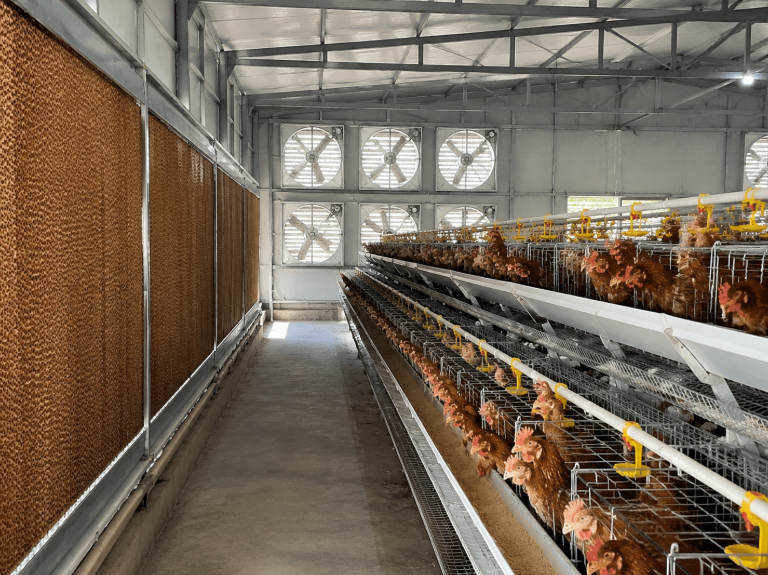
Хорошая система вентиляции и охлаждения может помочь поддерживать более стабильные условия в птичнике. Это особенно важно в регионах с жарким климатом и в птичниках с клетками Н-типа высокой плотности.
Ферма должна уделять внимание:
- Температуре
- Воздушному потоку
- Влажности
- Запаху аммиака
- Пыли
- Наличию питьевой воды
Хорошие условия в птичнике способствуют лучшему пищевому поведению и помогают снизить потери корма, вызванные стрессом.
8. Содержите зону под клетками в чистоте
Корм, рассыпанный под клетками, может создавать дополнительные проблемы. Он может привлекать грызунов, насекомых и мух. Он также может смешиваться с пометом и делать птичник более грязным.
Система ленточного удаления помета может помочь поддерживать зону под клетками в чистоте за счет регулярного удаления помета. Хотя она напрямую не кормит птиц, она способствует лучшей гигиене птичника и уменьшает проблемы, вызванные рассыпанным кормом и накоплением помета.
Фермы также должны регулярно проверять, не падает ли корм под клетки. Если под клетками обнаруживается слишком много корма, это может означать проблему с кормушкой, количеством корма или поведением птицы.
9. Обучайте работников и проводите ежедневные проверки
Оборудование важно, но ежедневное управление все еще необходимо.
Работники должны проверять:
- Не рассыпан ли корм под кормушкой
- Не переполнена ли кормушка
- Получают ли все ряды клеток корм равномерно
- Не едят ли некоторые птицы ненормально
- Не нуждается ли кормораздатчик в настройке
- Не влажный ли корм и нет ли засоров
- Присутствуют ли грызуны или вредители
Небольшие ежедневные проверки могут предотвратить превращение потерь корма в долгосрочную проблему затрат.
Для ферм с ручным кормлением привычки работников особенно важны. Для ферм, использующих автоматическое кормление, настройка и обслуживание оборудования не менее важны.
10. Что спросить перед выбором решения для кормления
Перед выбором клеточной системы или автоматического кормового оборудования подготовьте следующую информацию:
| Информация | Что предоставить |
|---|---|
| Количество птицы | Количество несушек |
| Тип клетки | А-тип, Н-тип или нужна рекомендация |
| Размер птичника | Длина, ширина и высота |
| Ряды клеток | Планируемое или существующее количество рядов |
| Метод кормления | Ручной или автоматический |
| Тип корма | Мучной, гранулированный или другой |
| Условия по труду | Достаточно работников или нехватка рабочей силы |
| Текущая проблема | Рассыхание корма, неравномерное кормление, медленное кормление |
| Бюджет | Базовое, стандартное или автоматическое решение |
| План расширения | Планирует ли ферма увеличить поголовье в будущем |
Это поможет поставщику порекомендовать метод кормления, который подходит под размер вашей фермы и ежедневные операции.
Пример запроса
Вы можете отправить сообщение следующего содержания:
Здравствуйте, мы хотим сократить по
Want to know more?
Get in touch with us for more information about our services and products.