
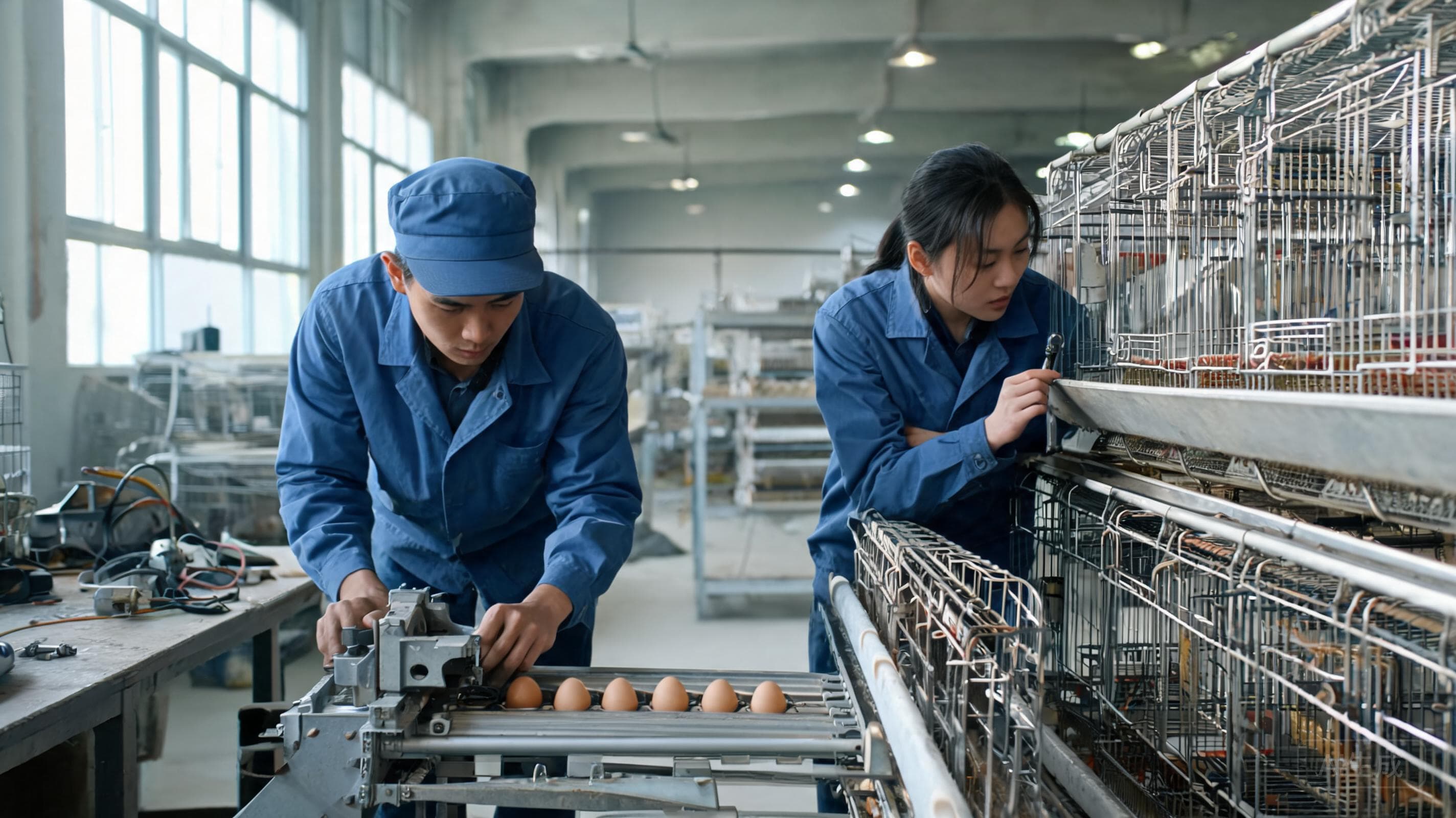
Automatic Chicken Cage Systems: A Strategic Investment for Modern Poultry Farms
Introduction: The Rising Demand for Efficient Poultry Production
Global protein demand continues to climb, and poultry producers face mounting pressure to deliver more eggs and meat while controlling costs. Labor shortages in rural areas and volatile feed prices have fundamentally changed the economics of poultry farming. Producers who rely on manual processes find themselves squeezed between rising input costs and stagnant output prices. The solution increasingly lies in automated poultry farming systems that replace manual labor with precision machinery. This article examines how automatic chicken cage systems address operational bottlenecks and deliver measurable returns that go far beyond simple labor replacement.
Key Challenges in Traditional Poultry Farming
Manual feeding, egg collection, and manure removal remain the three most labor-intensive tasks in any layer operation. Each task introduces variability: workers feed inconsistently, miss eggs, or leave manure buildup that degrades air quality. Inconsistent feeding directly harms feed conversion ratios, leading to uneven bird growth and lower egg production. High ammonia levels from poor waste management increase disease pressure and mortality, particularly in densely stocked houses. These issues compound exponentially as operations scale. A farm with 50,000 birds cannot achieve the same precision with manual labor as a farm with 10,000 birds. This is why commercial chicken cages with integrated automation have moved from optional upgrades to operational necessities for serious producers.
The Evolution of Poultry Cage Systems: From Manual to Fully Automated
The industry has witnessed a dramatic shift from simple battery cage system for poultry designs to fully integrated poultry farm automation systems. Early cage systems merely confined birds; modern systems manage the entire production cycle. Today's automatic poultry cage solutions combine feeding, drinking, egg collection, and manure removal into a single synchronized workflow. This evolution mirrors broader industrial automation trends, where integrated systems outperform isolated machinery. For producers considering this transition, turnkey poultry farm providers offer complete solutions—from initial design through installation—reducing implementation risk and accelerating time to full production.
Core Components of an Automatic Chicken Cage System
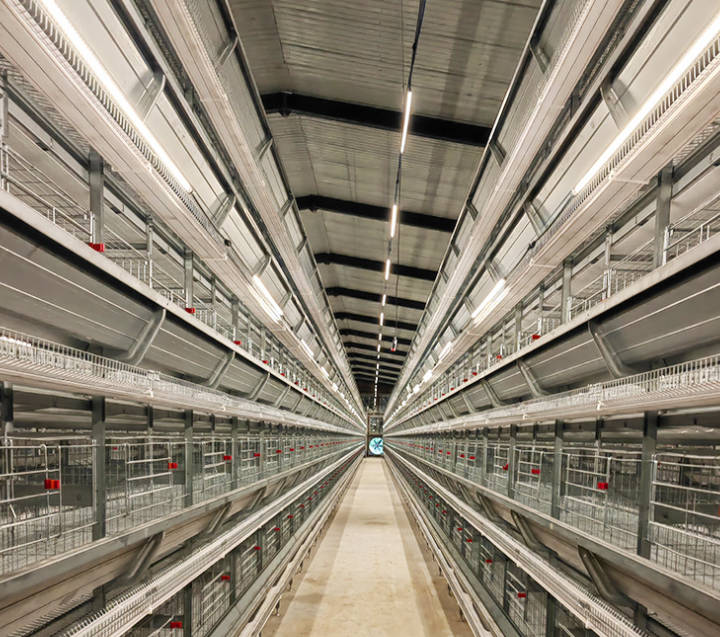
Understanding the building blocks of these systems helps producers make informed equipment decisions. Layer chicken cage systems come in two primary configurations: A-type and H-type. A-type cages suit naturally ventilated houses and moderate flock sizes, while H-type systems maximize density in environmentally controlled facilities. The automatic feeding poultry system delivers precise rations at scheduled intervals, eliminating feed waste and ensuring uniform nutrition across all tiers. Automatic manure removal systems use conveyor belts to continuously clear waste, maintaining optimal air quality and reducing disease vectors. Stacked egg collection systems with vertical elevators gently transport eggs from each tier to central packing areas, minimizing breakage rates. Finally, automatic egg tray packing machines streamline packaging, preparing eggs for market with minimal handling. Together, these components form a chicken cage production line that operates with minimal human intervention.
How Automation Improves Productivity and Profitability
The financial case for automation rests on multiple measurable improvements. Automated feeding and egg collection reduce labor costs by up to 70%, a figure confirmed across numerous installations. Consistent feeding schedules improve feed conversion ratios, directly lowering feed costs per dozen eggs produced. Better environmental control and continuous waste removal reduce mortality and increase laying rates, often by 10-15% compared to conventional housing. Critically, automation enables producers to manage larger flocks with the same workforce, increasing total output without proportional labor increases. As documented in our analysis of automation ROI beyond labor savings, modern systems also deliver 45% density improvements and 22% energy savings, further strengthening the investment case.
Choosing the Right Poultry Cage System for Your Farm
Selecting the appropriate poultry housing system requires careful evaluation of your operational scale, facility design, and growth projections. A-type chicken cage for layers systems offer cost-effective entry points for operations with 5,000-20,000 birds and natural ventilation. H-type systems, with their vertical stacking and full environmental controls, suit large scale poultry farm system requirements exceeding 30,000 birds. Consider your automation level carefully: fully automated systems command higher upfront investment but deliver proportionally greater labor savings. Budget constraints matter, but so does scalability. A system that cannot accommodate future expansion becomes a bottleneck. Partnering with an experienced chicken cage manufacturer ensures you receive equipment matched to your specific conditions, along with critical after-sales support. Producers exploring higher-density configurations should review how vertical poultry automation achieves 10x density with 60% lower operating costs.
Implementation Considerations: Installation and Training
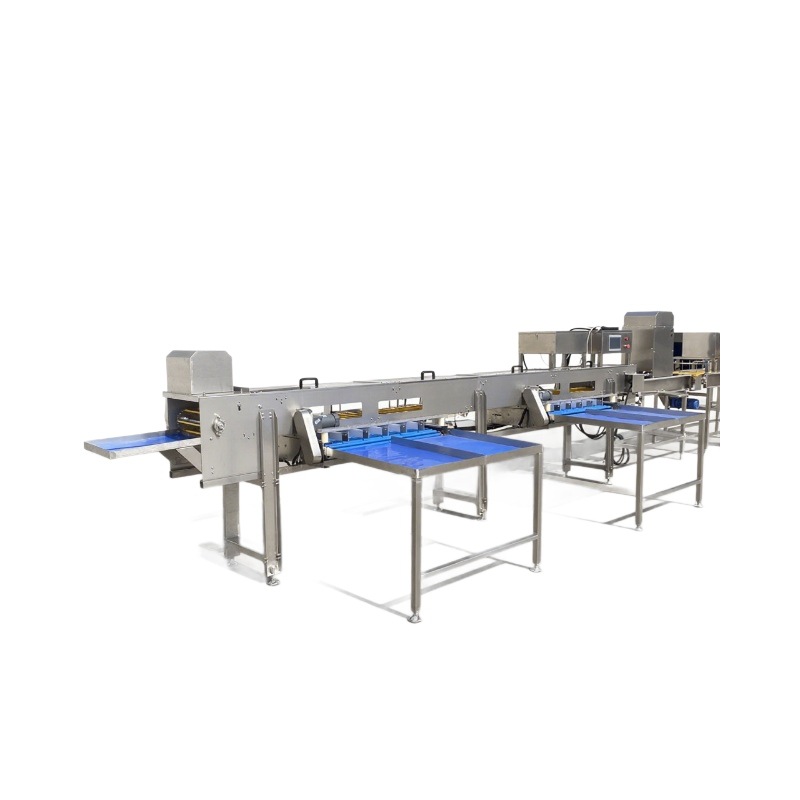
Equipment quality matters, but proper poultry cage installation determines whether that equipment performs to specification. Poor installation leads to misaligned feeders, damaged egg collection systems, and premature wear on moving parts. Professional installation teams ensure level floors, correct belt tension, and properly calibrated sensors. Staff training is equally critical—operators must understand system controls, recognize warning signs, and perform routine maintenance. Plan for spare parts inventory and scheduled maintenance to minimize downtime during peak production periods. A turnkey poultry farm provider manages the entire process, from site assessment through commissioning, ensuring your team is fully trained before birds arrive. This comprehensive approach reduces the learning curve and accelerates the path to full productivity.
Case Studies and Industry Insights
Real-world installations demonstrate consistent patterns of success. Producers in emerging markets report labor savings exceeding 60% and measurable improvements in egg quality after adopting automated systems. Industry guidelines increasingly emphasize cage design features that support bird welfare while maintaining productivity—proper perch space, adequate floor area, and accessible feed and water lines. The financial data is compelling: automated systems typically achieve payback periods of 2-3 years, driven by labor savings, improved feed efficiency, and reduced mortality. As noted in our examination of automated layer cages cutting labor costs by 30%, these systems also reduce compliance risk by maintaining consistent environmental conditions that meet evolving welfare standards.
Future Trends in Poultry Automation
The next generation of poultry farming equipment will integrate IoT sensors and data analytics for real-time monitoring of feed consumption, egg production, and bird health. Advanced robotics will handle inspection tasks and selective culling, further reducing labor requirements. Sustainability pressures are driving innovations in manure recycling and energy-efficient climate control. Custom poultry cage systems will become increasingly modular, allowing producers to adapt housing configurations as market conditions change. The trajectory is clear: automation will continue to deepen, and producers who adopt early will gain compounding advantages over competitors who delay. Our analysis of automation ROI with 60% lower maintenance and 10x capacity illustrates the magnitude of these advantages.
Conclusion: Take the Next Step Toward Automation
Automatic chicken cage systems represent a strategic investment in long-term competitiveness, not merely an operational upgrade. The evidence across markets, scales, and production models consistently shows that automation delivers measurable ROI through labor reduction, feed efficiency, and improved bird health. Whether you operate a modest layer facility or a large scale poultry farm system, the right automation configuration can transform your cost structure and growth trajectory. Evaluate your farm's specific needs, consult with equipment experts, and design a solution that aligns with your production goals. The poultry equipment manufacturer you choose matters—look for proven track records, comprehensive support, and systems that can scale with your operation. For producers ready to move forward, contact us for a free consultation and quote on our range of poultry farm automation systems.
Want to know more?
Get in touch with us for more information about our services and products.