
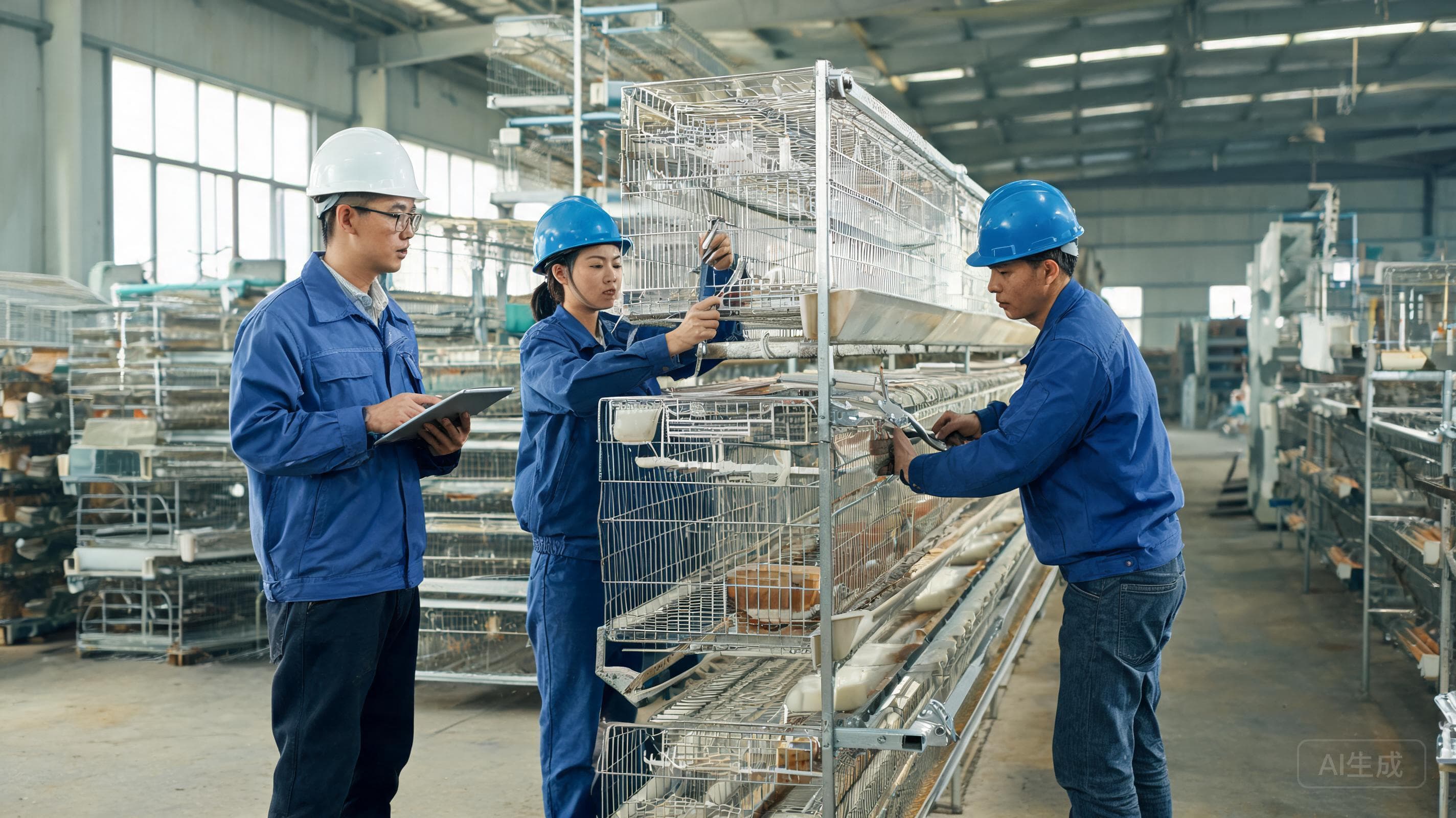
Build a More Efficient Layer Farm with the Right Automatic Chicken Cage System
Match your layer housing to farm goals
For a commercial layer operation, the right housing and automation can make daily work more manageable and help coordinate space, labor, and equipment. The best configuration depends on flock size, house design, workforce, production targets, budget, and target market—not simply the level of automation.
A Poultry Cage System integrates cages, feeding, and management equipment for a poultry farm. Depending on the project scope, it may include drinking lines, an Egg Collection System that automatically conveys eggs, manure handling, and controls. A well-specified Automatic Chicken Cage combines feeding, drinking, egg collection, and manure removal to support routine work without replacing sound flock management.
Consider operating needs before selecting equipment
Housing investment involves more than the initial equipment price. Account for installation, maintenance, staff training, changes to existing routines, and expected performance over time. Market expectations and future requirements can also affect the decision, particularly when production must continue during a transition.
Research into Indian poultry producers’ perspectives on cage-free systems highlights practical management and production challenges during transitions. Housing decisions should reflect your market, operating model, and local requirements rather than follow a single template.
Automation can address recurring tasks such as feed distribution, egg movement, and manure removal. It does not, by itself, resolve welfare, regulatory, or commercial questions. Evaluate equipment in relation to your production goals and applicable standards. See how to calculate poultry automation ROI and account for project costs.
Choose a layer cage system that fits the building
A complete equipment plan may combine housing, feed delivery, nipple drinking lines, egg collection, manure belts, and controls. Define the required capacity and workflow before comparing proposals. Consider flock scale, house dimensions, ventilation design, available labor, and target markets.
- H Type Galvanized Layer Chicken Cage System: A tiered configuration for commercial operations seeking to make efficient use of house space. Check capacity, access, and compatibility with the building plan.
- A Type Layer Chicken Cage System: An option often considered for open or naturally ventilated houses and projects with a lower initial investment target. Confirm suitability for the house structure, climate, and management plan.
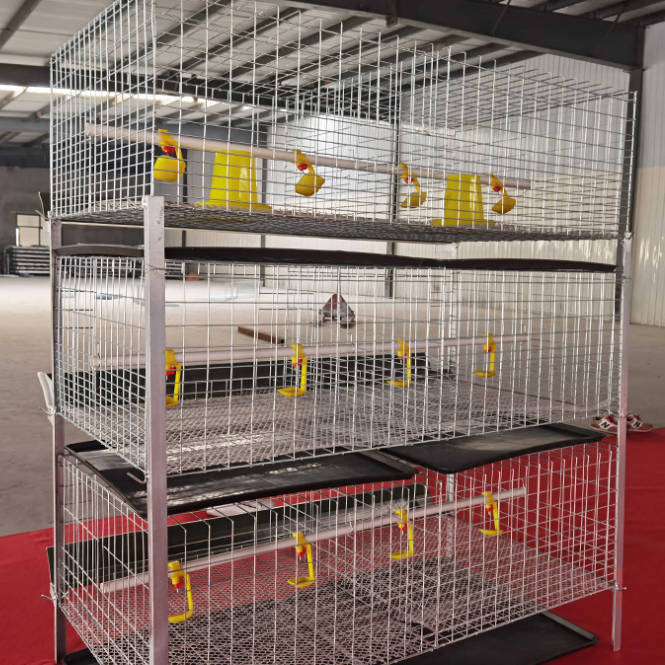
- Compact stacked layer cage: For farms with approximately 5,000–6,000 birds, a three- or four-tier arrangement may help use floor space efficiently. Check dimensions and service access against the actual layout.
A Layer Cage System is designed specifically for egg-laying hens. Broiler production requires equipment specified for broiler birds and production cycles. Confirm that every proposal matches the intended bird type and operation.
Assess any proposed cage configuration against applicable standards, market requirements, and daily management needs. Specify commercial cages as part of the full housing and equipment plan, not by capacity alone.
Automate recurring tasks with coordinated equipment
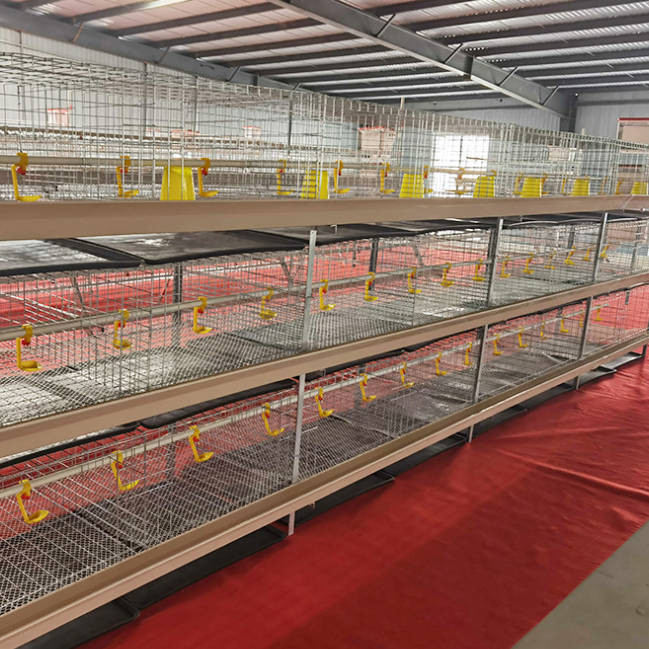
Automation is most valuable when it addresses repeatable tasks that place regular demands on staff. A coordinated system can reduce manual handling and support a predictable workflow, while trained personnel remain responsible for flock monitoring and operating decisions.
- Automatic feeding system: Delivers feed along the house on a scheduled basis. Match capacity and layout to flock size, house length, and feeding routine.
- Nipple drinking lines: Provide water access when correctly installed and maintained. Include inspection and line-cleaning procedures in farm routines.
- Belt manure removal: Tier-level belts convey manure out of the house, helping manage accumulation and routine removal labor. Timely removal can also support efforts to manage ammonia-related air-quality pressure.
- Egg Collection System: Elevators and egg conveyors transfer eggs from multiple tiers to a central table or cross conveyor. This can reduce manual handling and help limit collisions during collection.
When feeding, drinking, egg collection, and manure handling are integrated, controls can coordinate the equipment as one operating system rather than a set of disconnected machines. Explore how precision automation may affect workflow and egg handling.
Include environmental control in the housing plan
Equipment inside the house is only one part of the production environment. An Environmental Control System regulates temperature and ventilation. Depending on the project, it may coordinate fans, cooling pads, air inlets, air deflectors, and a controller to respond to house conditions and climate.
Environmental control and timely manure removal support practical goals such as managing heat stress, maintaining air quality, and providing consistent flock conditions. Results depend on correct sizing, installation, settings, and maintenance. Automation cannot compensate for equipment that is poorly matched to the building.
Before selecting industrial poultry cages or a complete automation package, check equipment compatibility, house dimensions, local climate, maintenance access, and staff procedures. Ask how components connect, which routine inspections they require, and how faults are identified and addressed.
Evaluate research and market figures in context
Research and market reports can inform a buying decision, but headline figures need context. UGA Research News coverage of Lilong Chai’s work on cage-free poultry farming includes a reported 70% figure. Verify the underlying metric, study context, population, and conditions before applying it to a financial or housing decision.
Likewise, figures in poultry equipment and poultry cage market reports are published indicators, not forecasts of returns for an individual farm. Review each report’s metric, geography, timeframe, and forecast assumptions before drawing conclusions.
Research on robotics in poultry farming also points to opportunities and implementation challenges. Reliability, integration with existing equipment, service availability, and staff training can all affect project value. Compare total installed cost and expected operating impact rather than treating market growth or a headline statistic as a guaranteed return. See factors to consider when evaluating automation ROI beyond labor.
Plan integration and long-term support
Give a chicken cage manufacturer or supplier clear project specifications, including flock size, house layout, production targets, preferred cage type, and automation requirements. Detailed requirements make it easier to compare configurations and identify equipment suited to the operation.
When assessing a supplier, ask about production capacity, customization, quality control, and lead times. Clarify what the proposal includes: equipment, controls, technical documentation, installation support, and after-sales service may be scoped differently by each provider.
Coordinate installation with feeding, egg handling, manure removal, and environmental control to reduce integration gaps. For a Turnkey Poultry Farm project, discuss the scope of the complete farm package early. For export projects, confirm destination standards, packing, shipping arrangements, and technical documentation before finalizing specifications.
Review installation requirements, maintenance access, replacement parts, and staff training alongside the equipment price. These details help determine whether an automation package is practical for your site and manageable for your team.
Request a configuration for your operation
Whether you need a custom layer housing plan or a complete farm package, start with your facility and the tasks the equipment must perform. A useful proposal should compare cage configurations, automation options, equipment scope, and installation requirements against your building and budget.
Send your flock size, house dimensions, production targets, preferred cage configuration, and automation requirements. Contact our team to request a tailored equipment configuration and discuss the next steps for your layer farm.
Want to know more?
Get in touch with us for more information about our services and products.