
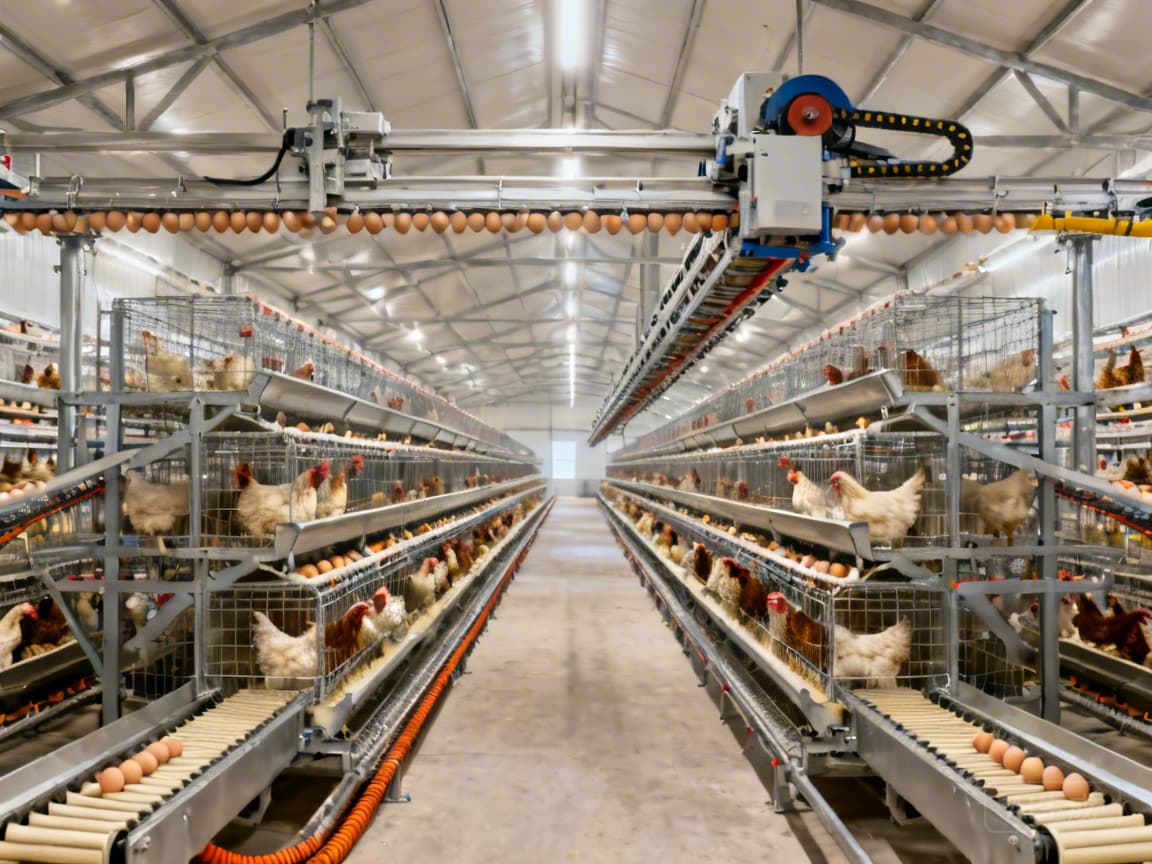
Boost Poultry Farm Profitability and Cut Labor Costs with Automated Chicken Cage Systems
Introduction: The Pressures Facing Modern Poultry Farmers
Modern poultry operations face a dual crisis: a severe labor shortage and rising consumer demand for higher-welfare products. Research, such as that cited by Usher, underscores how automation addresses industry labor gaps while ensuring operational consistency. Concurrently, with approximately 55% of layers in caged systems and 45% in cage-free due to state-level mandates, many farms grapple with the inefficiencies of cage-free housing, which often struggles with density limits and management complexity. The market shift toward animal welfare further pressures producers to adapt. Automated chicken cage systems emerge as the strategic solution, balancing animal well-being with farm profitability by reducing labor costs, improving efficiency, and meeting regulatory and consumer demands.
Why Automated Chicken Cage Systems Are Essential for Modern Poultry Farms
Automated poultry equipment is no longer a luxury but a necessity for competitive farming. These systems directly tackle labor shortages by automating critical tasks like feeding, manure removal, and egg collection, cutting manual work by up to 48% according to data from leading manufacturers. Operationally, stacked and H/A-type designs maximize space utilization—a key advantage over cage-free systems with their density constraints. Inefficiencies in cage-free housing are well-documented; for instance, a white paper on cage-free challenges found that 76% of farms improved profitability after switching to automated caged systems. Moreover, these systems meet consumer and regulatory needs by maintaining animal welfare through features like clean water access and automated manure management, while delivering consistent egg quality. For deeper insights into efficiency gains, consider how vertical poultry automation can increase density tenfold and lower operating costs by 60%.
Key Automated Chicken Cage Systems and Equipment to Maximize Farm Performance
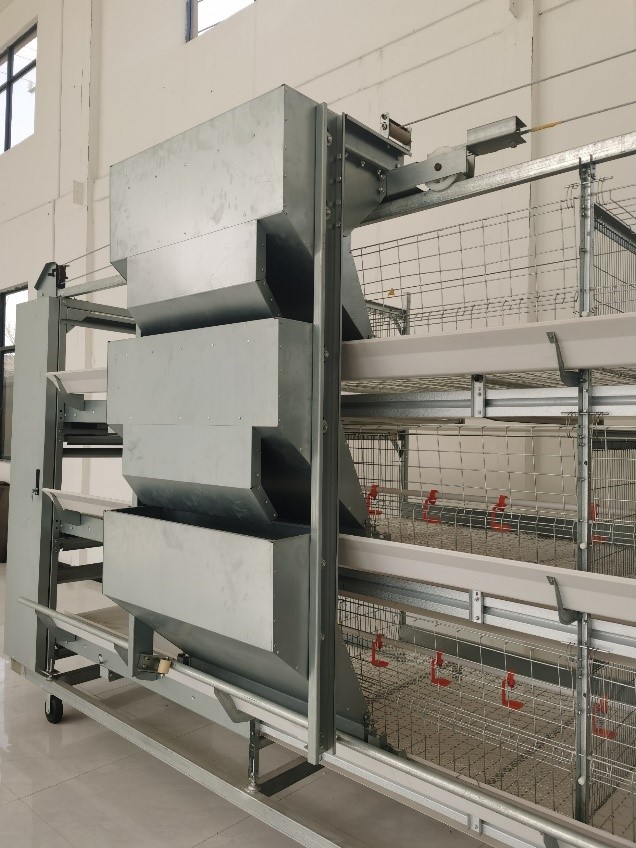
Selecting the right poultry farming equipment is crucial for performance. The H Type Galvanized Layer Chicken Cage System is ideal for large-scale commercial farms, with its vertical H-frame maximizing space, hot-dip galvanization for corrosion resistance, integrated manure belts to reduce ammonia, and full compatibility with automatic feeding and egg collection to cut labor. The A Type Layer Chicken Cage System offers an economical solution for open or naturally ventilated houses, featuring a pyramid A-frame for easier cleaning, durable galvanized steel, and suitability for farms upgrading from floor rearing. For operations with 5,000 to 6,000 birds, the Stacked Egg Chicken Cage provides a stepped structure for improved space use, easy installation, and long-lasting galvanized wire. Supporting equipment includes the Overhead Travelling Feeding Machine for uniform feed distribution and reduced waste, the Belt Manure Removal System for continuous droppings collection to lower disease risk, and the Automatic Egg Tray Packing Machine for hygienic, gentle handling that cuts breakage and labor. This integrated approach forms a robust chicken cage production line.
Real-World ROI: How Farms Are Succeeding with Automated Systems
The return on investment from poultry farm automation systems is substantial and proven. In one case, a large-scale layer farm using the H Type system and belt manure removal saw a 48% reduction in labor costs and a 4.7% increase in egg production, based on top manufacturer data. Another medium-sized farm utilizing the Stacked Egg Cage and overhead feeding machine cut feed waste by 15% and boosted space utilization by 30%. Industry statistics reinforce this: 76% of farms from the cage-free failure white paper reported improved profitability after adopting automated caged systems. As a leading chicken cage manufacturer with exports to 50+ countries, we have seen how automation transforms operations. For a detailed analysis, explore how to calculate true ROI with 48% market data and uncover hidden costs.
How to Select the Right Automated System for Your Poultry Farm
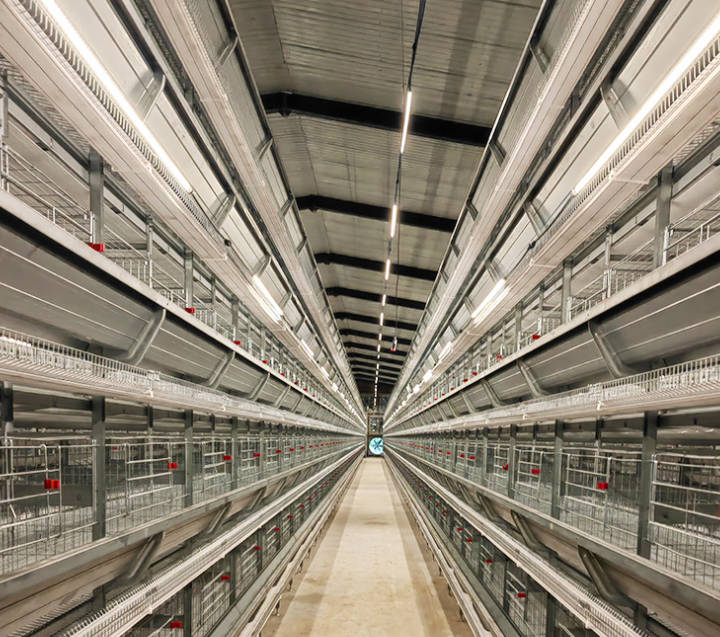
Choosing the optimal custom poultry cage system depends on several factors. Assess your farm scale: for operations with 50,000+ birds, the H Type system is recommended; for those with 5,000 to 20,000 birds, consider the Stacked Egg or A Type cages. Evaluate your house type: closed or intensive houses pair well with H Type systems, while open or naturally ventilated houses are suited for A Type. Budget considerations also play a role: the A Type offers an economical entry, whereas the H Type with full automation represents a long-term investment. Define your automation needs: full integration of feeding, manure, and egg collection points to the H Type with supporting equipment, while basic automation may suffice with Stacked Egg or A Type systems. To optimize your investment, this seasonal automation guide offers insights on optimizing layer cage ROI with 63% CAGR from a 45,000-bird case.
The Turnkey Advantage: Streamlining Automation from Design to Operation
A turnkey poultry farm solution simplifies the transition to automation by providing a complete package from design to operation, ensuring system compatibility and reducing setup risks. Our turnkey advantages include custom design based on your farm’s specific needs, professional poultry cage installation support, comprehensive staff training, and reliable post-installation maintenance. For example, a turnkey project using the H Type system, feeding machine, and egg packing machine became operational in just 8 weeks with zero compatibility issues, showcasing the efficiency of integrated poultry housing systems.
Next Steps: How to Get Started with Automated Chicken Cage Systems
To embark on automating your poultry operation, begin with a complimentary farm assessment where our experts evaluate your farm’s size, house type, and goals to recommend the right system. We provide custom quotes tailored to your automation needs, whether for an H Type with full integration or a Stacked Egg Cage for more compact operations. With robust export chicken cages capabilities, we supply documentation and support for international farms. The path to a more profitable, efficient farm starts with a conversation—contact our team today to schedule your assessment.
Want to know more?
Get in touch with us for more information about our services and products.