
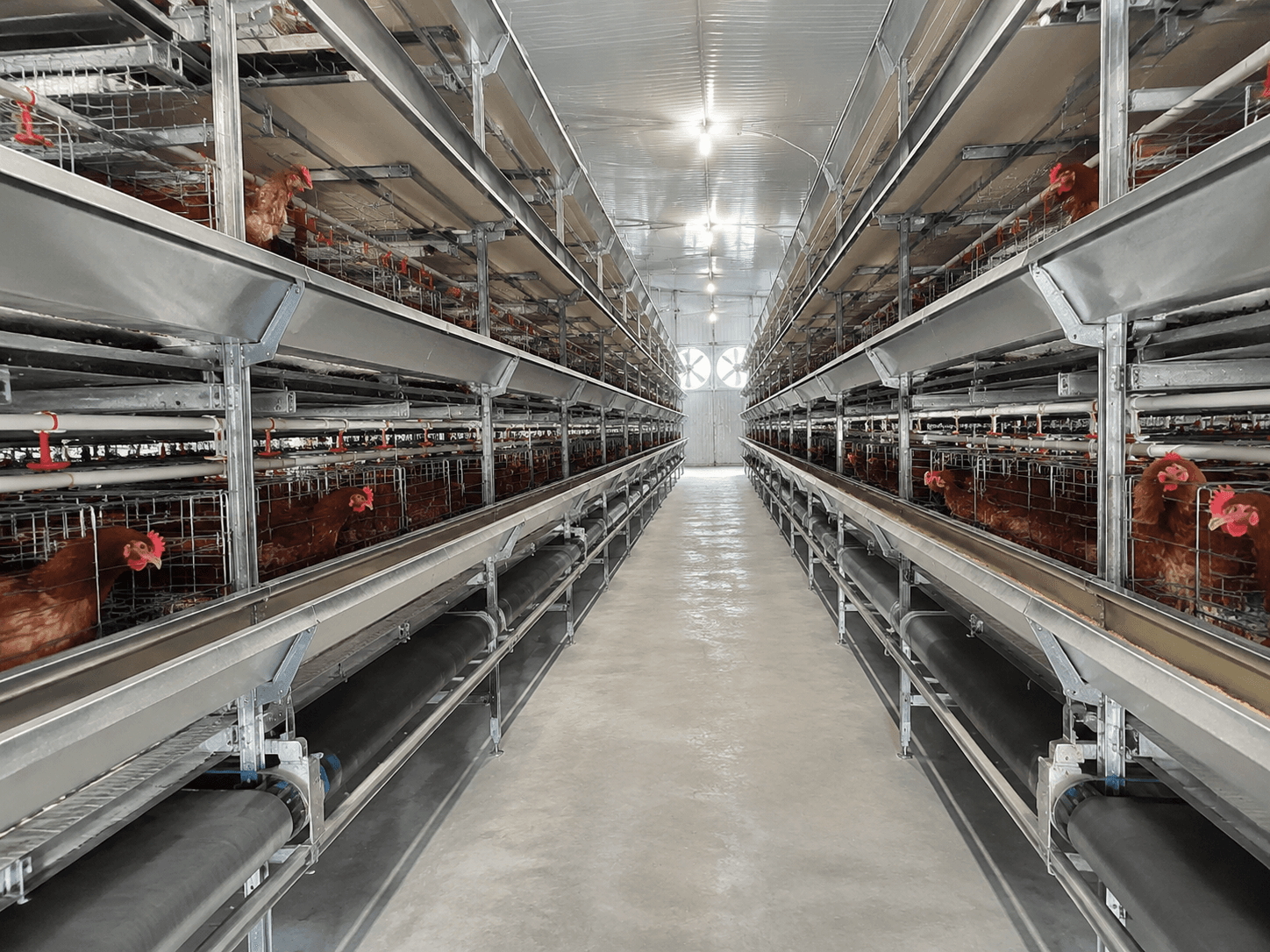
How to Calculate the Equipment Cost of a Commercial Layer Farm
A complete layer farm investment may include chicken cages, automatic feeding, drinking water, manure removal, egg collection, ventilation, cooling, electrical control, spare parts, installation and transportation.
If the equipment scope is not clearly defined at the beginning, the initial quotation may look attractive but important costs may appear later.
This guide explains how to estimate the main equipment costs of a commercial layer farm before requesting a project quotation.
What Is Included in Commercial Layer Farm Equipment Cost?
The total equipment cost may include the following categories:
- Layer chicken cage system;
- Automatic feeding system;
- Nipple drinking system;
- Manure removal system;
- Automatic egg collection system;
- Poultry house ventilation and cooling;
- Electrical control equipment;
- Egg grading and packing equipment;
- Spare parts;
- Installation and technical support;
- Packing, loading and delivery.
Not every farm requires all equipment at the same automation level. A small farm may use a simpler A‑type layer cage configuration, while a larger commercial farm may require H‑type or stacked layer cages with automatic feeding, manure belts and egg collection.
1. Start with the Target Bird Capacity
The first step is to determine the number of layers the farm plans to house.
Common project planning levels include:
- 5,000 layers;
- 10,000 layers;
- 20,000 layers;
- 30,000 layers;
- 50,000 layers or more.
Bird capacity affects:
- Number of cages;
- Number of cage rows;
- Number of cage tiers;
- Poultry house size;
- Feeding equipment quantity;
- Manure belt length;
- Egg collection capacity;
- Ventilation requirements;
- Electrical load.
2. Estimate the Layer Cage System
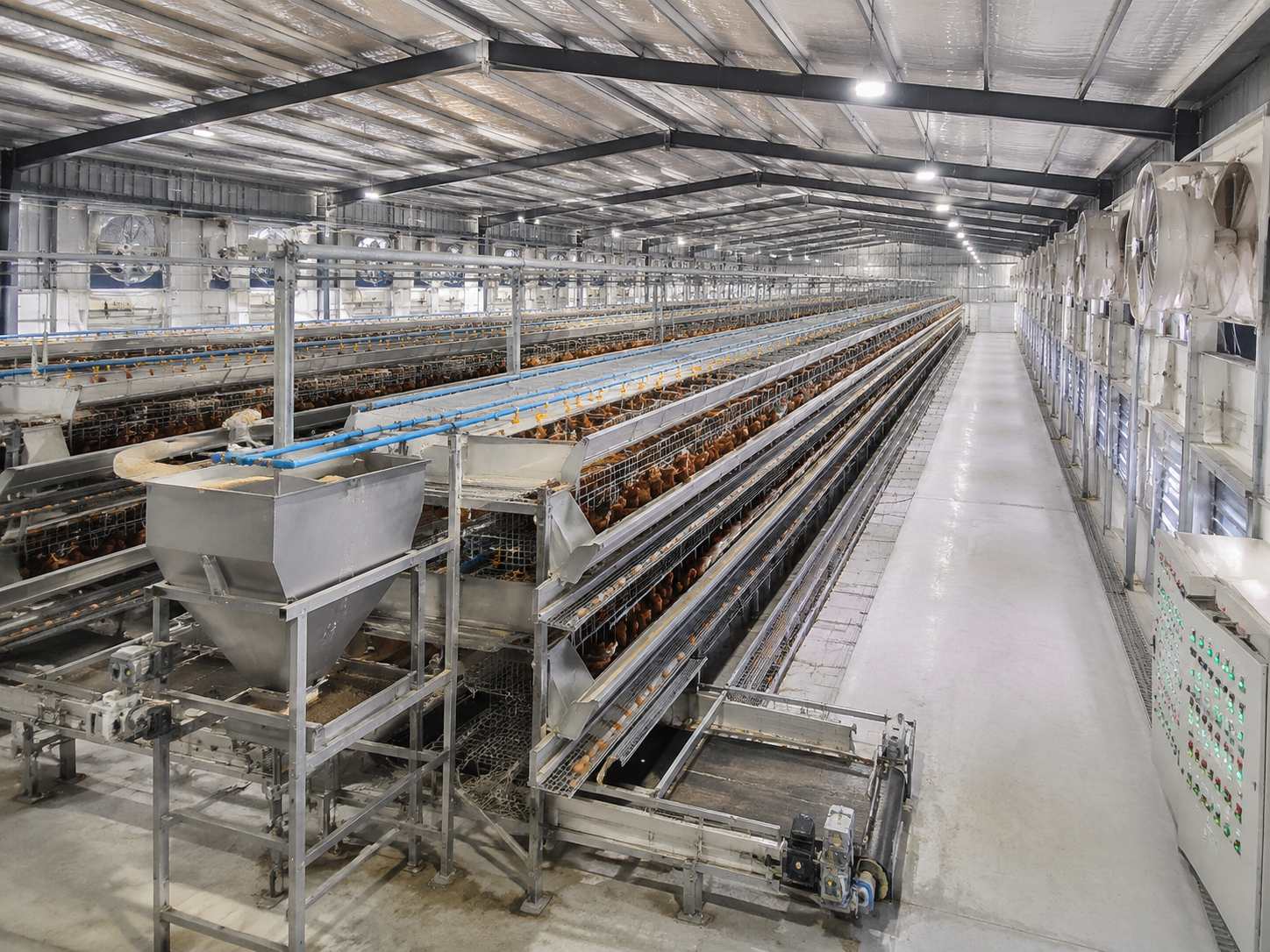
The layer chicken cage is usually the main equipment cost in a commercial poultry farm project.
The quotation may vary according to:
- A‑type, H‑type or stacked structure;
- Number of tiers;
- Cage dimensions;
- Bird capacity per cage;
- Wire and frame material;
- Galvanizing method;
- Feed trough design;
- Nipple drinking arrangement;
- Egg belt configuration;
- Manure removal method.
| Cost factor | Why it matters |
|---|---|
| Cage type | A‑type, H‑type and stacked systems have different structures |
| Farm capacity | More birds require more cages and supporting equipment |
| Number of tiers | More tiers affect house height, access and installation |
| Material | Wire, frame and surface treatment affect durability and price |
| Automation | Feeding, manure and egg collection equipment add to the project scope |
| Layout | House dimensions affect rows, aisles and equipment quantities |
3. Add Automatic Feeding Equipment
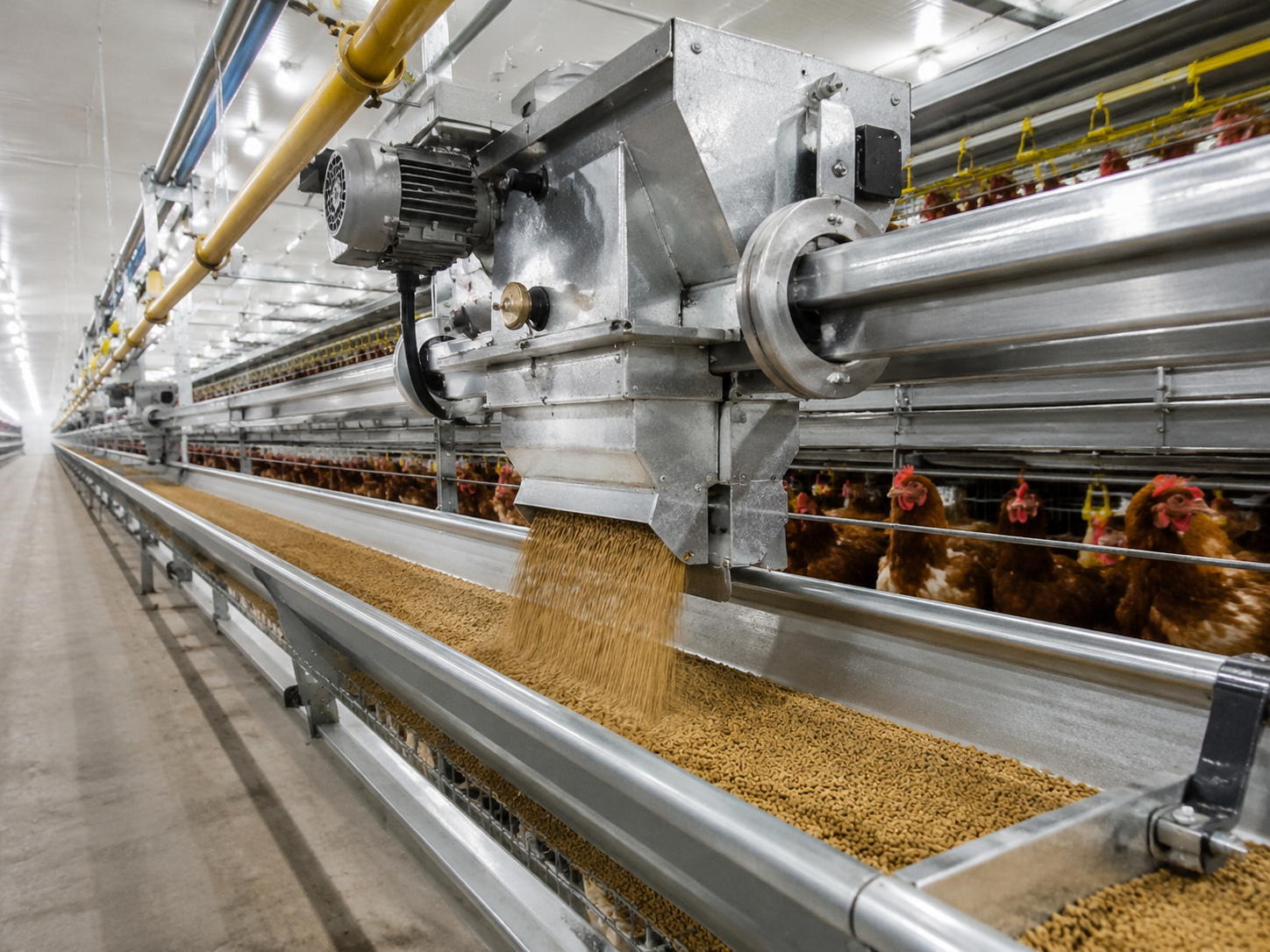
Automatic feeding equipment is an important part of poultry farm automation cost.
A complete feeding system may include:
- Feed hopper;
- Feed storage silo;
- Feed conveyor;
- Feed trough;
- Overhead travelling feeding machine;
- Drive motor;
- Feed outlets;
- Control panel.
The cost depends on:
- Number and length of cage rows;
- Number of poultry houses;
- Number of cage tiers;
- Feed storage position;
- Required feeding speed;
- Local power supply;
- Control method.
Automatic feeding can reduce manual feed transportation and improve feeding consistency, but the system must be matched with the cage layout.
4. Calculate Manure Removal Costs
Manure removal costs depend on the cage type and manure handling method.
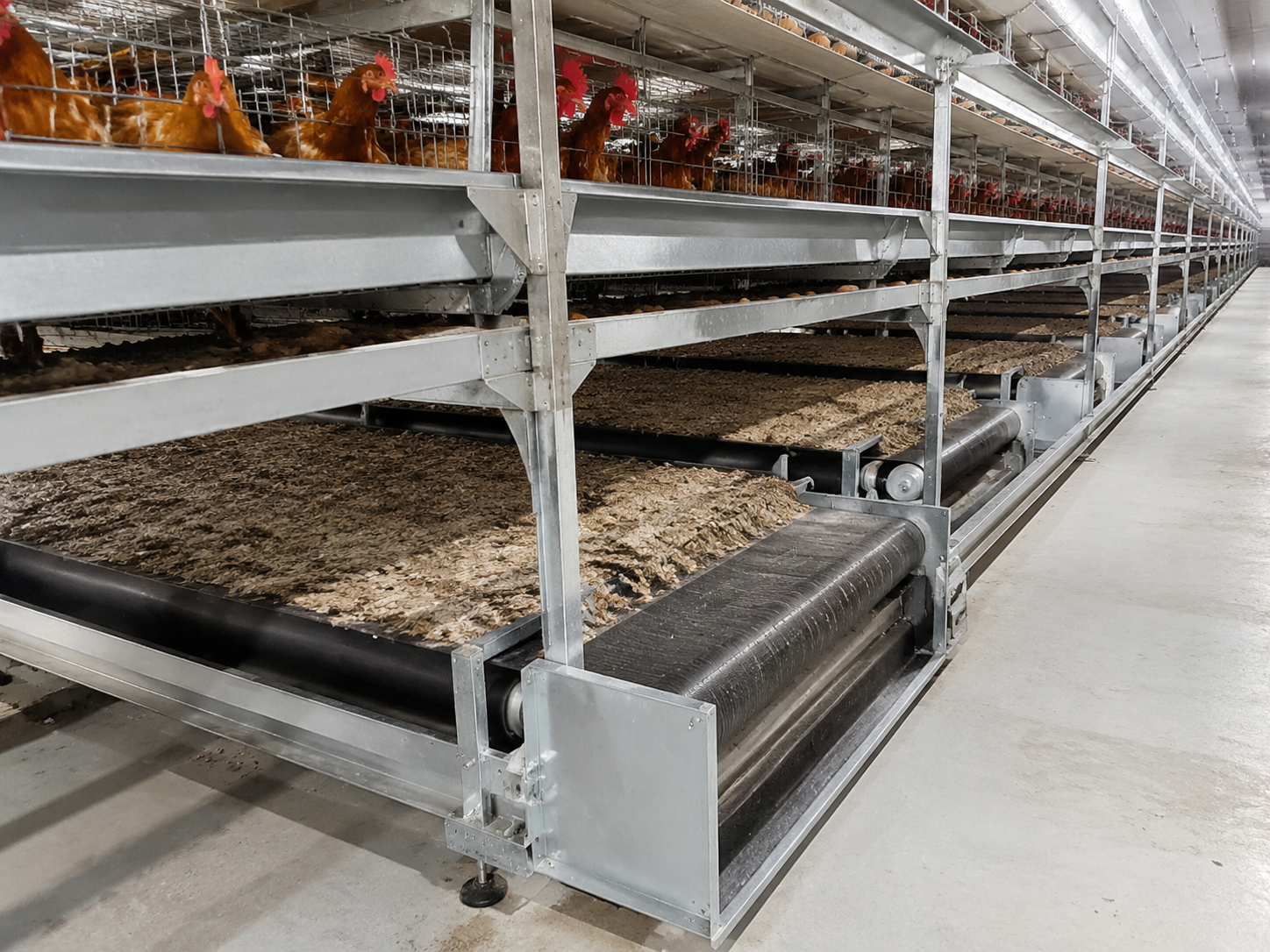
The system may include:
- Manure belts;
- Drive motors;
- Rollers;
- Scrapers;
- Cross conveyors;
- Inclined conveyors;
- External manure discharge equipment.
An A‑type layer cage project may use a simpler manure handling arrangement, depending on the house design. H‑type and multi‑tier cage systems commonly require more structured manure belt and conveyor planning.
Before requesting a quotation, confirm:
- Number of cage tiers;
- Belt length;
- Discharge direction;
- Manure storage location;
- Cross conveyor requirements;
- Maintenance access.
5. Estimate Egg Collection and Packing Equipment
For medium and large layer farms, automatic egg collection may be necessary to reduce manual handling.
The equipment may include:
- Egg belts;
- Cross conveyors;
- Vertical egg elevators;
- Central collection tables;
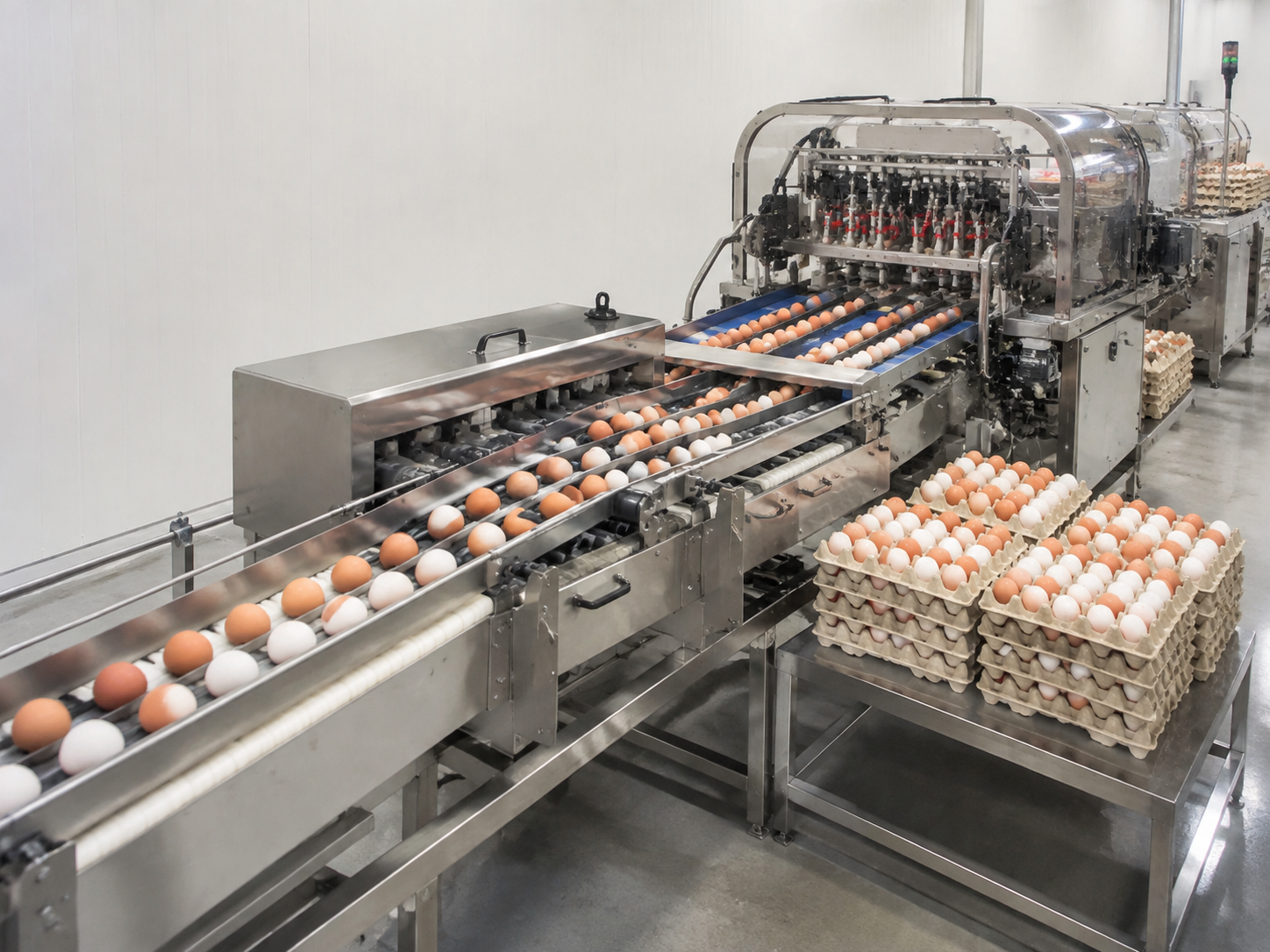
- Egg grading equipment;
- Automatic egg tray packing machines.
The cost depends on cage tiers, cage rows, egg belt length, production flow and packing requirements.
If the farm already has a grading or packing line, the new egg collection system must be checked for connection height, conveyor direction and working speed.
6. Include Ventilation and Cooling Equipment
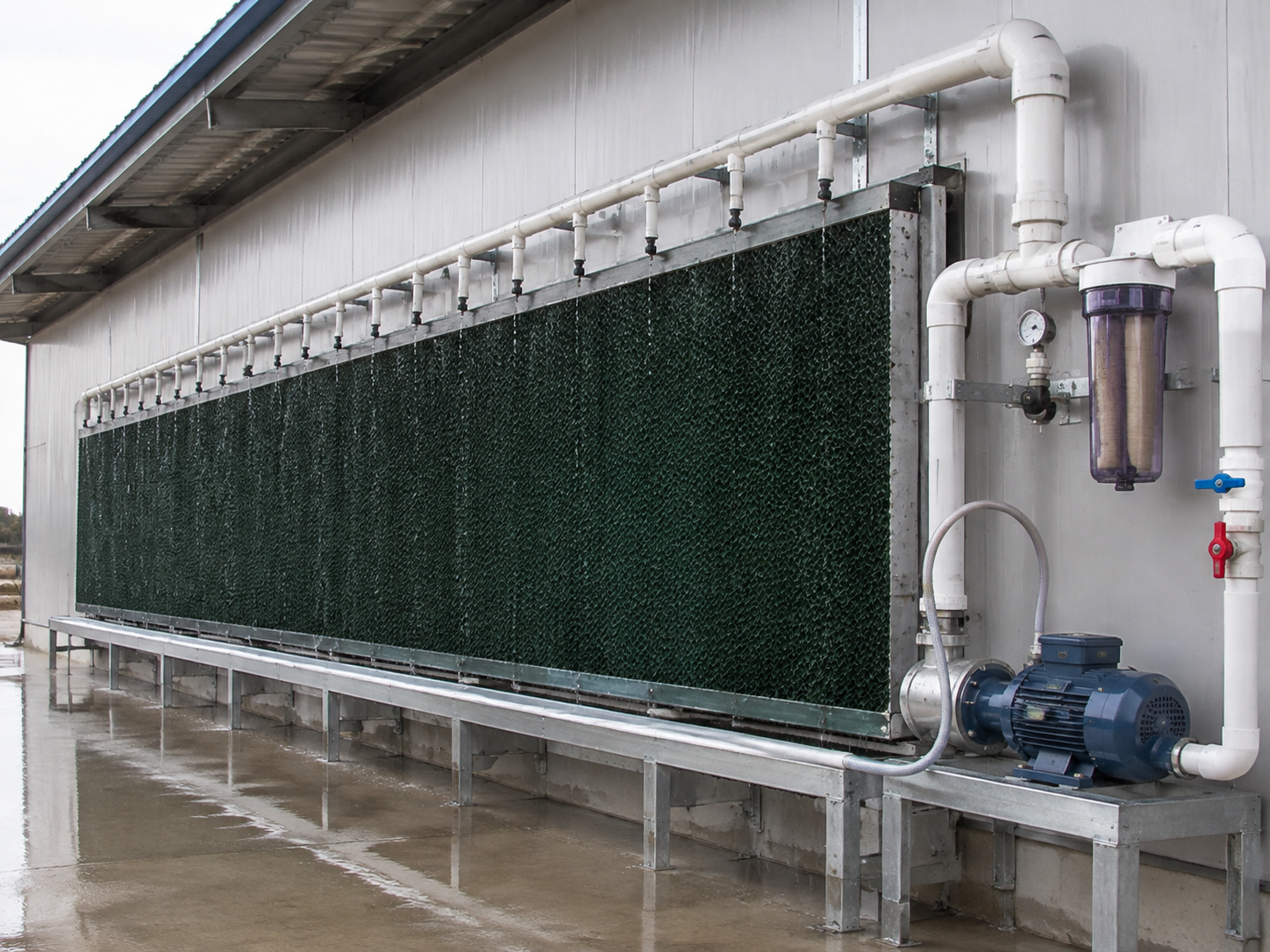
A poultry house environmental control system may include:
- Tunnel ventilation fans;
- Side wall fans;
- Evaporative cooling pads;
- Air inlet windows;
- Air deflectors;
- Temperature sensors;
- Humidity sensors;
- Environmental controllers;
- Water circulation equipment.
The cost depends on:
- Poultry house size;
- Bird capacity;
- Local climate;
- Open‑sided or closed‑house design;
- Required airflow;
- Cooling method;
- Available power supply.
For farms in hot or humid regions, ventilation and cooling should be included in the first project calculation. Adding this equipment after construction may increase installation and modification costs.
7. Add Installation, Spare Parts and Delivery
The total layer farm equipment quotation may also include:
- Installation drawings;
- Remote installation guidance;
- On‑site installation;
- Worker training;
- Warranty;
- Spare parts;
- Export packing;
- Loading;
- Inland transportation;
- Ocean freight;
- Insurance and destination charges.
Common spare parts may include motors, bearings, belts, switches, sensors, rollers, feed outlets and nipple drinkers.
The buyer should ask every supplier to separate equipment cost, service cost and delivery cost. This makes quotations easier to compare.
Information Needed for an Accurate Cost Estimate
Send the following details to the poultry equipment manufacturer:
- Target number of layers;
- Chicken type;
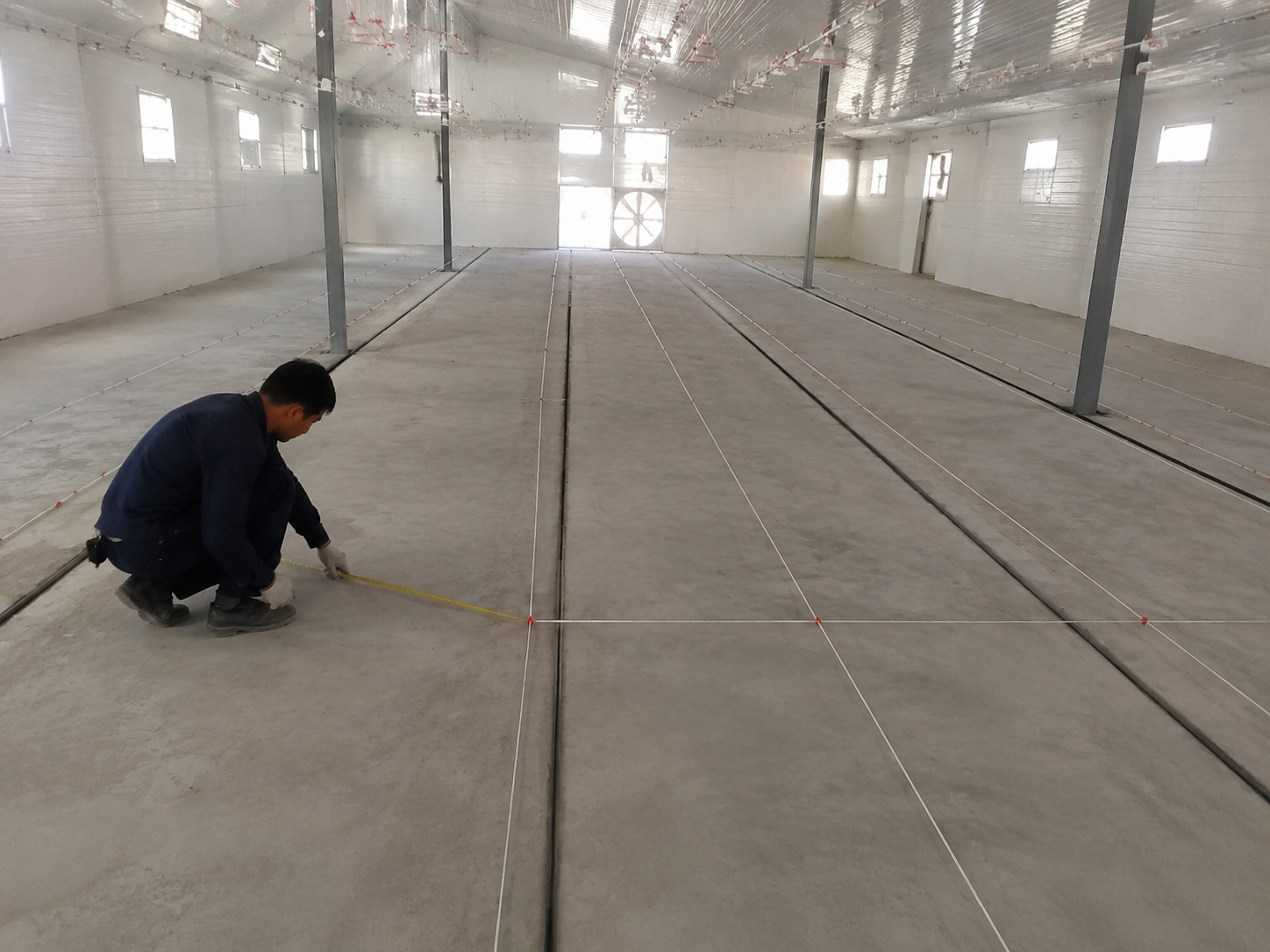
- Poultry house length, width and height;
- Number of houses;
- Preferred A‑type, H‑type or stacked cage;
- Required automation level;
- Local voltage and frequency;
- Climate conditions;
- Existing equipment;
- Delivery location;
- Installation requirements.
---
The equipment cost of a commercial layer farm depends on the complete project scope, not only the price of the chicken cages.
A realistic calculation should include the cage system, feeding, drinking, manure removal, egg collection, ventilation, electrical control, spare parts, installation and delivery.
Send us your target bird capacity, poultry house dimensions and preferred automation level.
Want to know more?
Get in touch with us for more information about our services and products.