
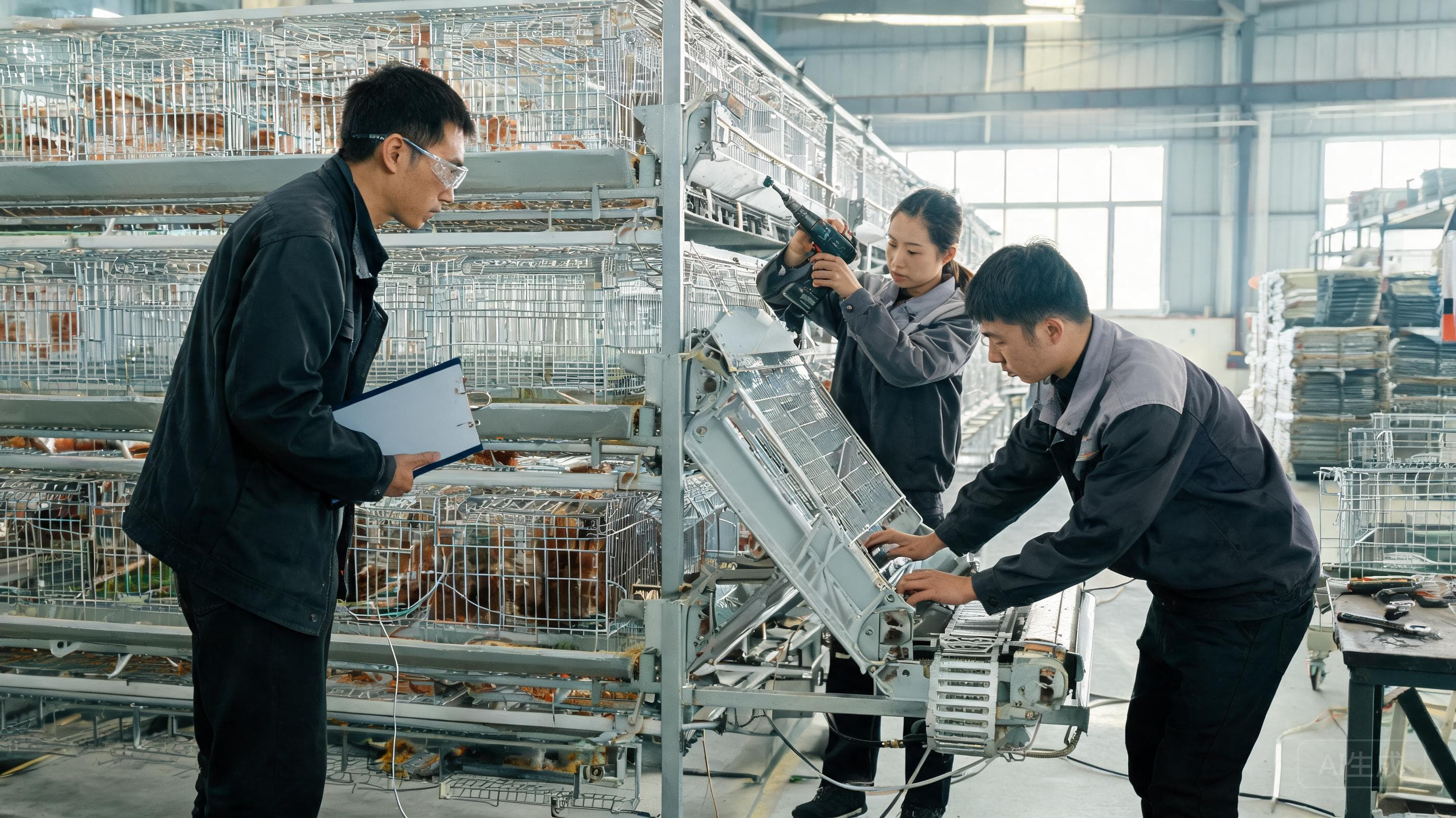
How to Choose an Automatic Chicken Cage System That Fits Your Farm
Match your system to production goals and housing
Automation can improve consistency and ease daily workloads, but only when the system fits your flock, building, and operating capacity. Before comparing options, document your target flock size, bird type, available space, ventilation, staffing, egg-handling needs, and expansion plans.
A Layer Cage System is designed for egg-laying hens; broiler housing serves a different production purpose. Confirm bird requirements and local regulations before choosing a configuration. If temperature and ventilation management are part of the project, include an Environmental Control System in your plans.
A Turnkey Poultry Farm can combine housing, equipment, installation, and operating systems. Clarify exactly what the package includes—and what your team must provide—before comparing proposals.
Compare cage layouts and automation levels
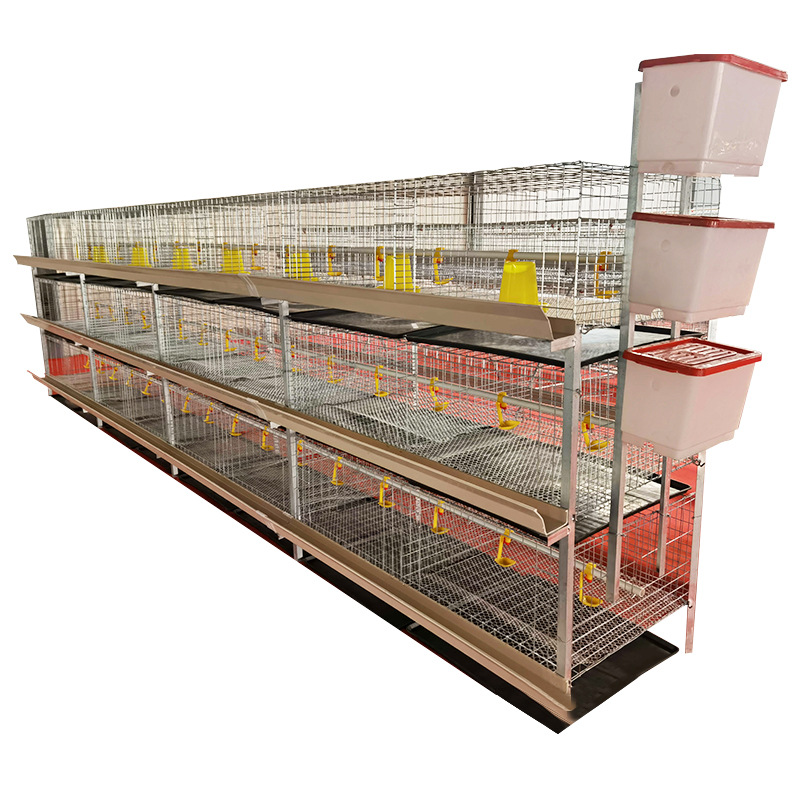
An A-type layout may suit farms seeking straightforward installation and accessible flock inspection. Its fit depends on the building, climate, and management routine. Stacked layouts can make more efficient use of floor area, but require suitable building height, ventilation, access routes, and service equipment.
Choose a configuration based on house dimensions, flock capacity, and the level of automation your team can operate and maintain. An Automatic Chicken Cage is a fully automated cage system with feeding, drinking, egg collection, and manure removal. Ask for a Poultry Cage System configured to your building measurements, operating requirements, and expansion plans—not just a standard catalogue option.
Assess automation across daily operations
Evaluate feeding, drinking, egg handling, and manure removal as connected parts of the system. Each affects labor planning and workflow, and compatibility between components is essential. A strong individual machine cannot resolve a bottleneck elsewhere in the house.
A manure belt moves droppings out of the house to support cleaning and collection. An Egg Collection System uses conveyors to collect eggs automatically; in a stacked layout, elevators can transfer eggs from multiple tiers to a central conveyor. Review transfer points and handling conditions to help limit breakage.
Plan around the people who will operate and maintain the system. Consider staffing, maintenance capacity, spare-parts access, and response plans for downtime. This overview of labor planning in poultry automation can help inform equipment decisions.
Plan the complete egg-handling workflow
Map the route from the Layer Cage System and egg belts through collection, grading or washing, and packing. Identify transfer points and potential bottlenecks before purchasing so the complete production line works as a coordinated system.
An automatic egg tray packing machine can receive, count, arrange, and load eggs into trays. Match its speed and tray settings to your required throughput. Consider construction, hygiene requirements, and gentle handling when assessing machines for commercial farms and processing plants.
Confirm compatibility among conveyors, graders, washers, elevators, and packing equipment. Ask suppliers to document transfer heights, belt speeds, egg orientation, control connections, and expected line throughput.
Evaluate suppliers on delivery and support

Ask each manufacturer for technical specifications, capacity assumptions, materials, installation scope, spare-parts availability, and maintenance guidance. Compare proposals based on what each includes and how the system fits your facility.
Check whether the supplier can provide installation, commissioning, operator training, and coordinated equipment. For export projects, verify shipping configuration, documentation, voltage and control requirements, and support in the destination market.
Assess a site-specific proposal against your operating requirements instead of choosing on purchase price alone. Supplier experience matters when it results in a suitable configuration, clear installation plan, and dependable support arrangement.
Use market data as context for farm-level ROI
Industry figures can provide background, but they should not determine an investment. Verify the original source, definition, and time period for any reported statistic. Market share, growth rates, and performance results are not interchangeable, and external figures do not guarantee results on your farm.
Calculate payback using your own labor costs, flock size, breakage rates, throughput, maintenance requirements, and expected equipment life. This guide to poultry automation ROI outlines costs to consider beyond the initial purchase.
Automation may improve handling consistency, but results depend on system design and operating conditions. Compare claims about labor, capacity, and egg loss with your own baseline. Treat published performance examples as prompts for measurement, not guaranteed savings.
Request a system recommendation for your farm
The right system aligns cage type and automation with bird purpose, production scale, house layout, staffing, and egg-handling needs. A site and workflow review can help define the right scope, whether you need layer housing, broiler equipment, or a large-scale poultry system.
Send us your house dimensions, target capacity, preferred configuration, and project timeline. Our team can recommend a system, outline installation requirements and operating assumptions, and identify options for future expansion.
Request a tailored project review and equipment proposal to plan your poultry automation system or Turnkey Poultry Farm.
Want to know more?
Get in touch with us for more information about our services and products.