
Heatwave-Proof Layer House Design: 7 Equipment Checks Before Summer Arrives
Extreme heat can quickly affect a commercial layer farm. Laying hens may reduce feed intake, drink more water, produce weaker shells and become more vulnerable to heat stress. If ventilation, cooling and water systems are not ready, a short period of hot weather can create serious production and management problems.
Before summer arrives, layer farm owners should check the following seven equipment areas.
1. Check Exhaust Fan Performance
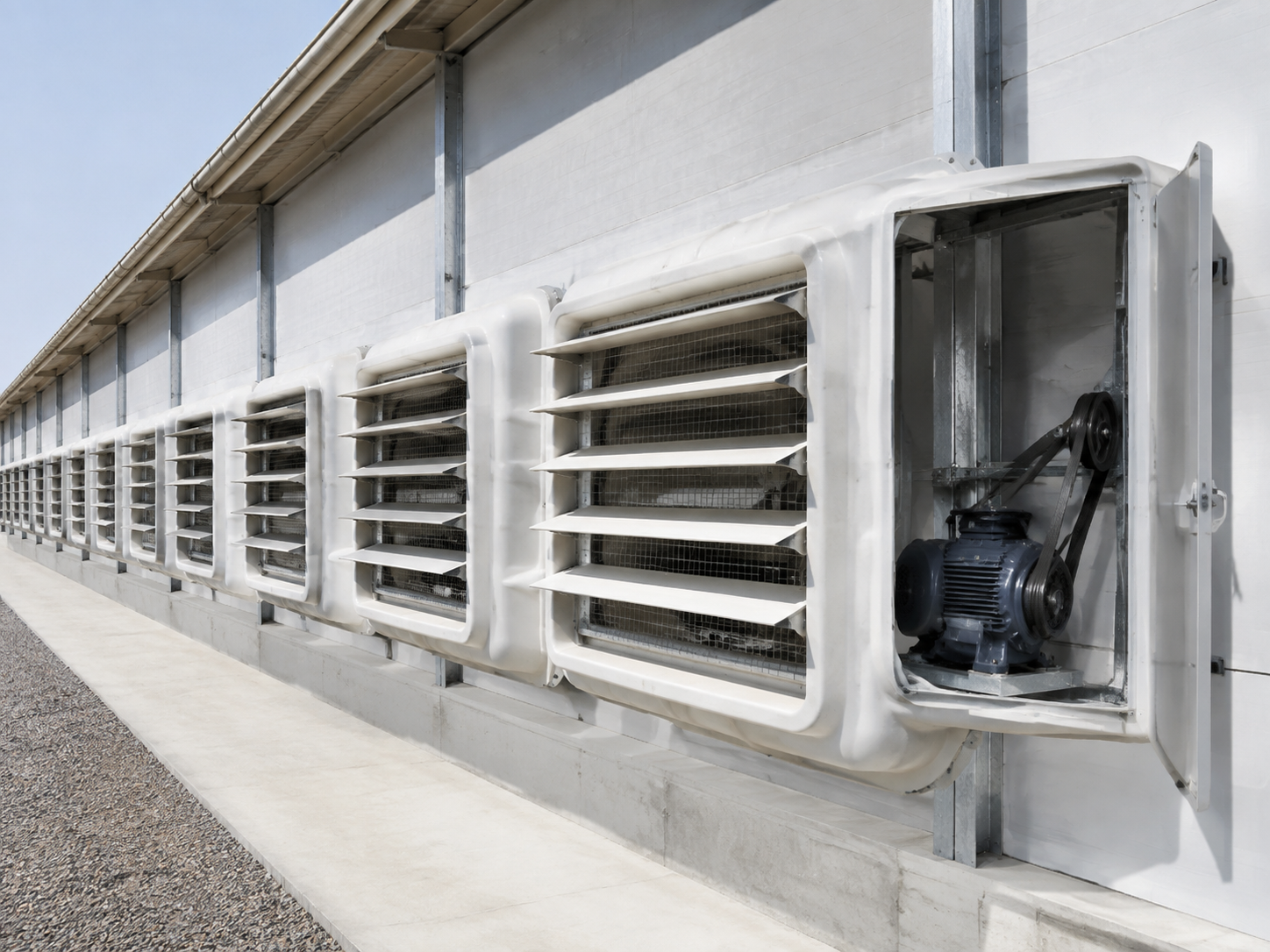
Do not only count the number of fans in the poultry house. Check whether every fan can operate normally and deliver sufficient airflow.
Inspect the fan motor, shutter, belt, protective grille and electrical connection. Dust, damaged shutters, loose belts and air leakage around doors or walls can reduce ventilation performance.
For large layer houses, fans should normally operate in stages according to indoor temperature and house conditions. The final fan quantity should be matched with the poultry house size, flock capacity, climate and cage layout.
2. Inspect Cooling Pads and Water Pumps
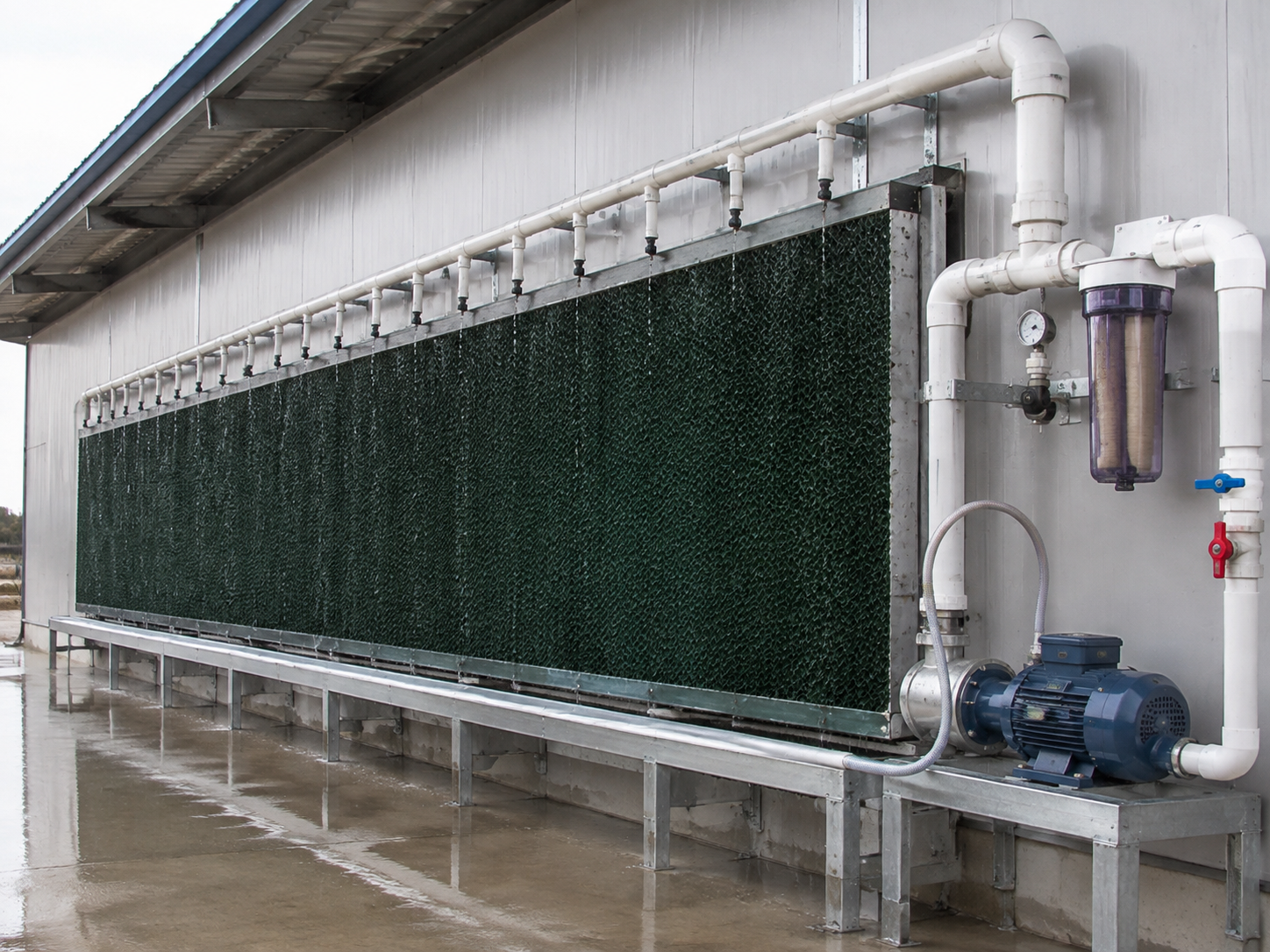
Cooling pads can help reduce the temperature of incoming air, but only when the pad surface receives water evenly.
Before summer, check:
- Pad cleanliness and condition;
- Water pump operation;
- Water distribution pipes;
- Filters and float valves;
- Water tank level;
- Leaks and blocked sections.
If some areas of the cooling pad remain dry, the house may develop hot zones even when the pump is running. Regular cleaning is especially important in areas with hard water or high dust levels.
3. Test Air Inlets and Airflow Direction
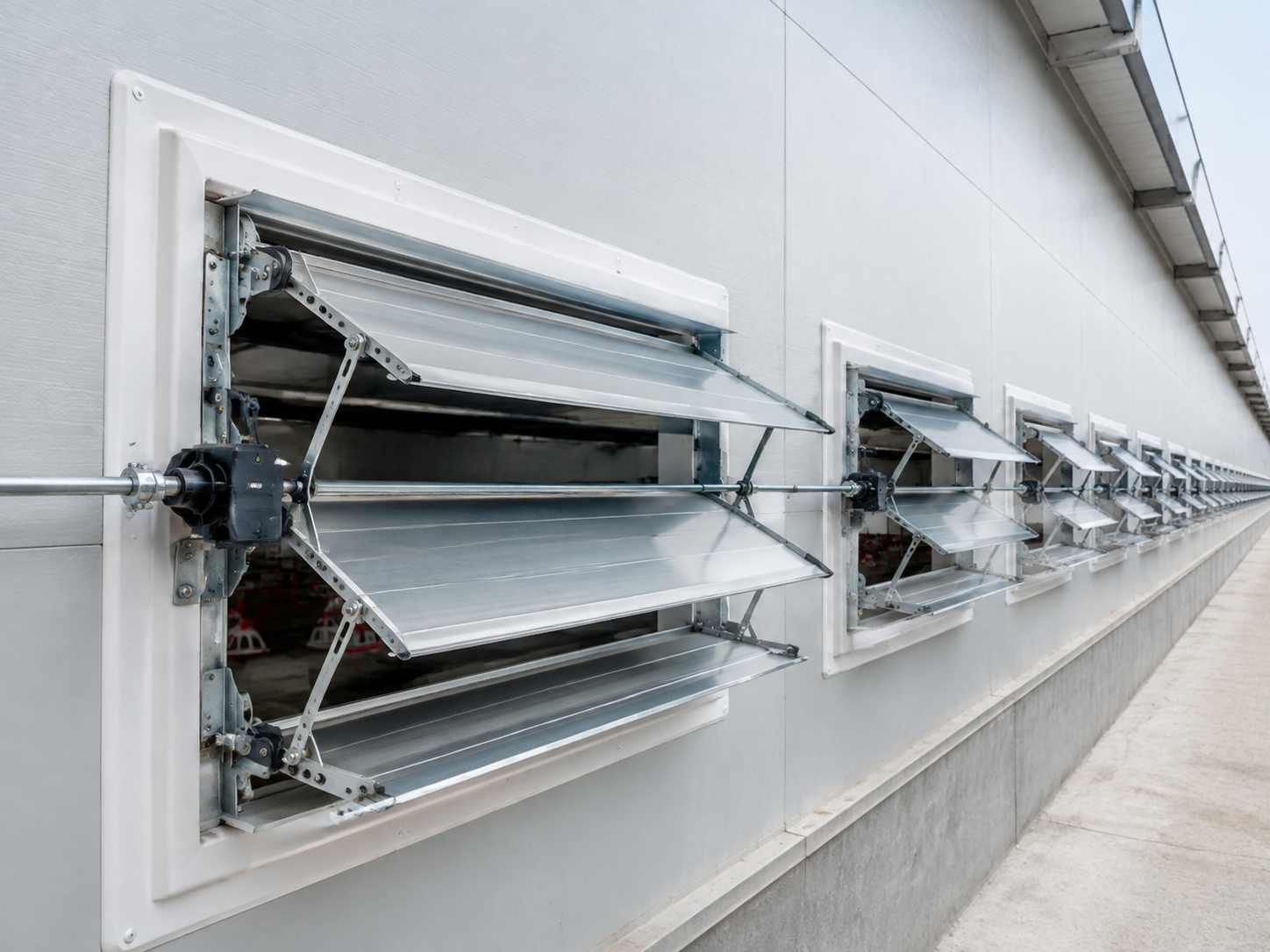
A good ventilation system needs correctly adjusted air inlets. If air enters through uncontrolled gaps or falls directly onto the birds, the system may create drafts without removing heat effectively.
Check whether the air inlets can open evenly and whether fresh air can reach the center of the house. Doors, curtains, wall gaps and roof openings should also be inspected for unwanted air leakage.
For new projects, air inlets should be planned together with the fans, cooling pads and cage rows.
4. Check Drinking Water and Cooling Water Supply
During hot weather, birds and cooling equipment both require a stable water supply.
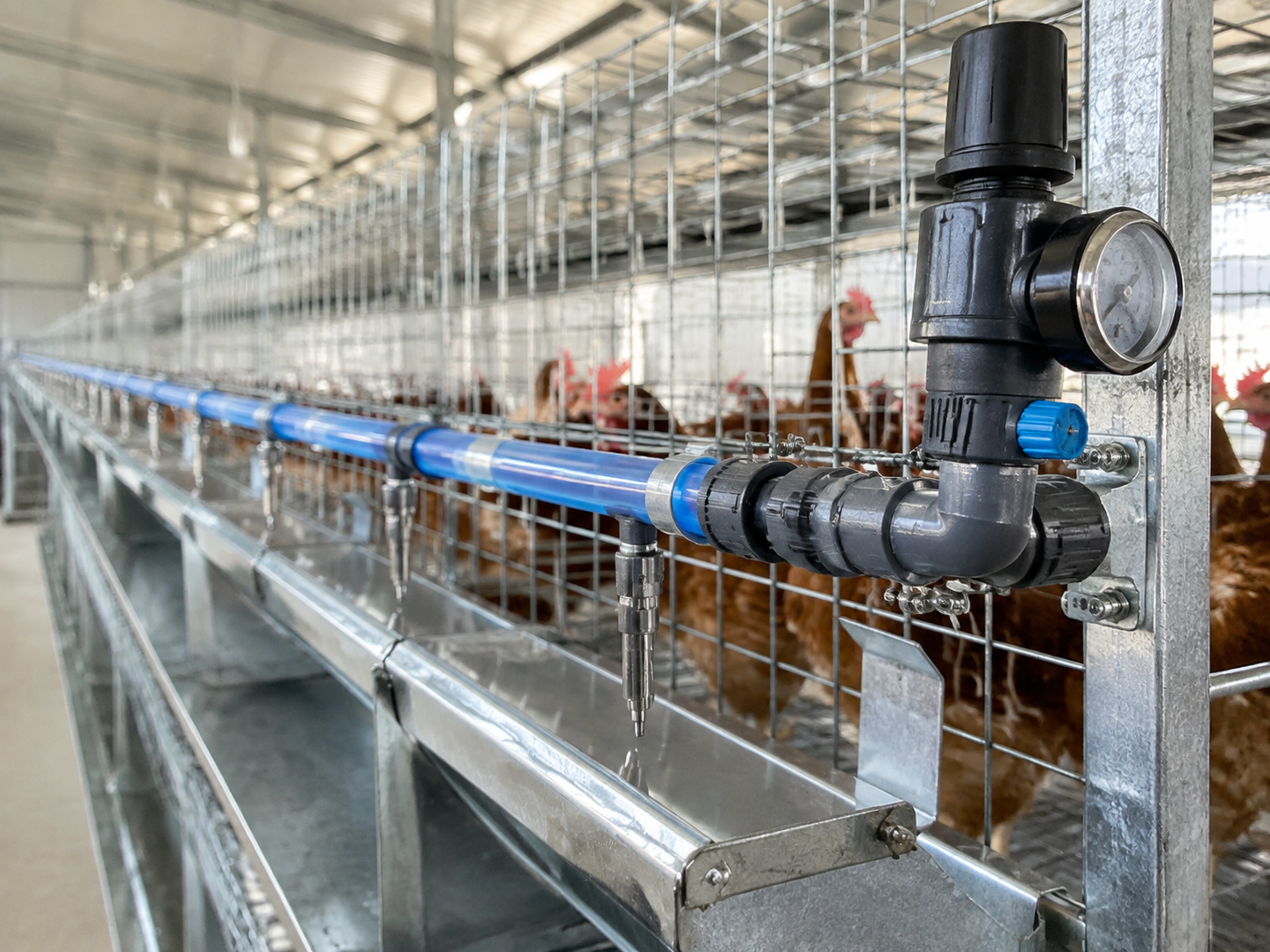
Inspect the main water pipe, water tank, filters, pressure regulator and nipple drinkers. Check the water flow at both the beginning and the end of each drinking line. Weak pressure at the end of the line can create problems when temperatures are high.
Leaking nipple drinkers may also increase manure moisture and humidity inside the house. The drinking system and manure removal system should therefore be checked together.
5. Review the Multi‑Tier Cage Layout
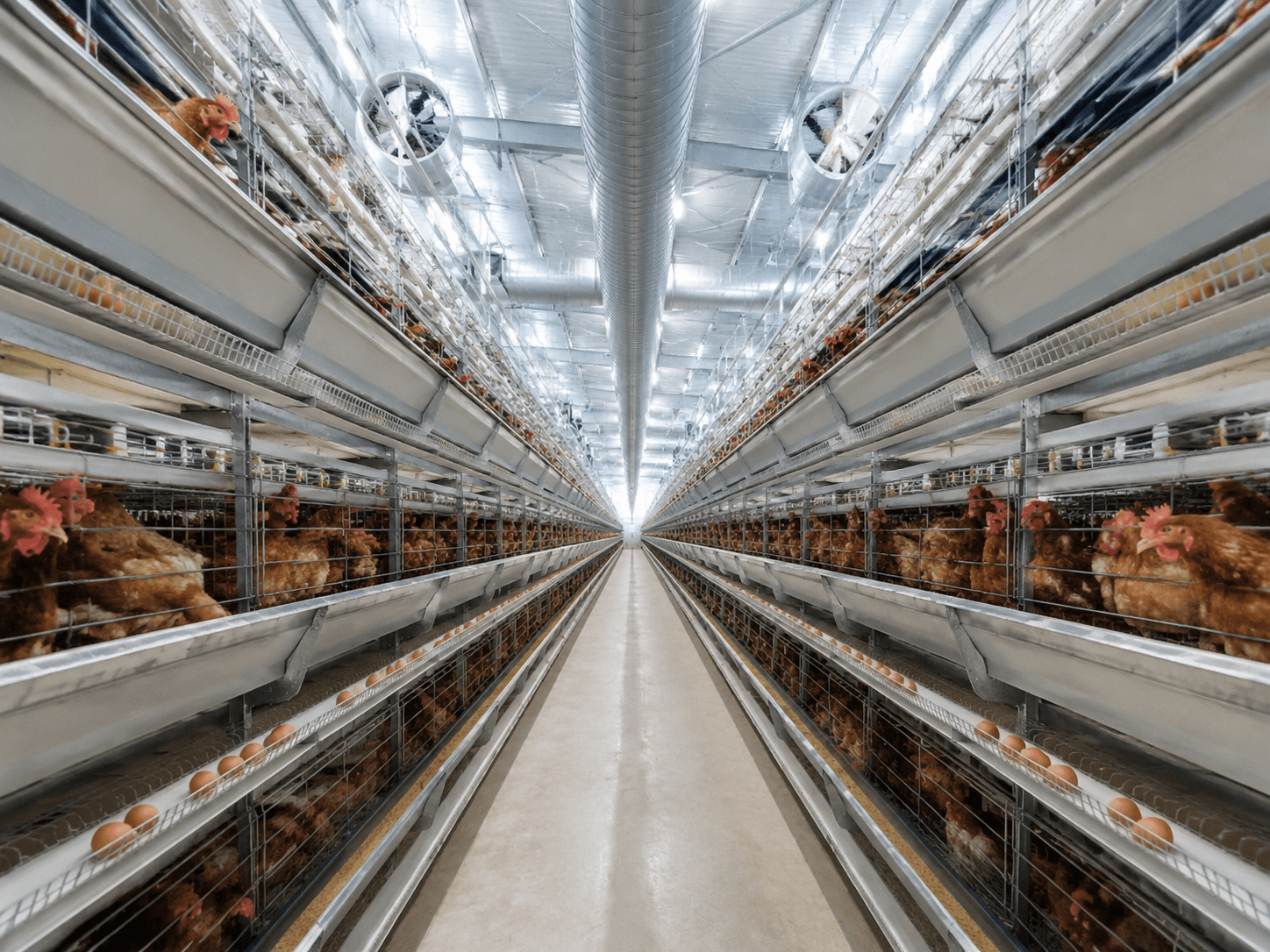
A multi‑tier cage system must be planned together with ventilation and maintenance access. A higher cage system is not automatically suitable for every poultry house.
Before choosing or upgrading an A‑type or H‑type layer cage, check:
| Item | Why It Matters |
|---|---|
| Clear house height | Provides space for cage tiers and equipment |
| Aisle width | Allows inspection, cleaning and maintenance |
| Cage row position | Affects airflow and equipment access |
| Feed machine rail | Requires sufficient overhead space |
| Manure discharge route | Prevents blockage during cleaning |
| Egg collection route | Allows smooth egg transfer |
| Fan and inlet position | Helps distribute fresh air evenly |
If the cage rows are too close to the roof, fans, lighting or air inlets, the flock may not receive uniform airflow.
6. Test the Environmental Controller
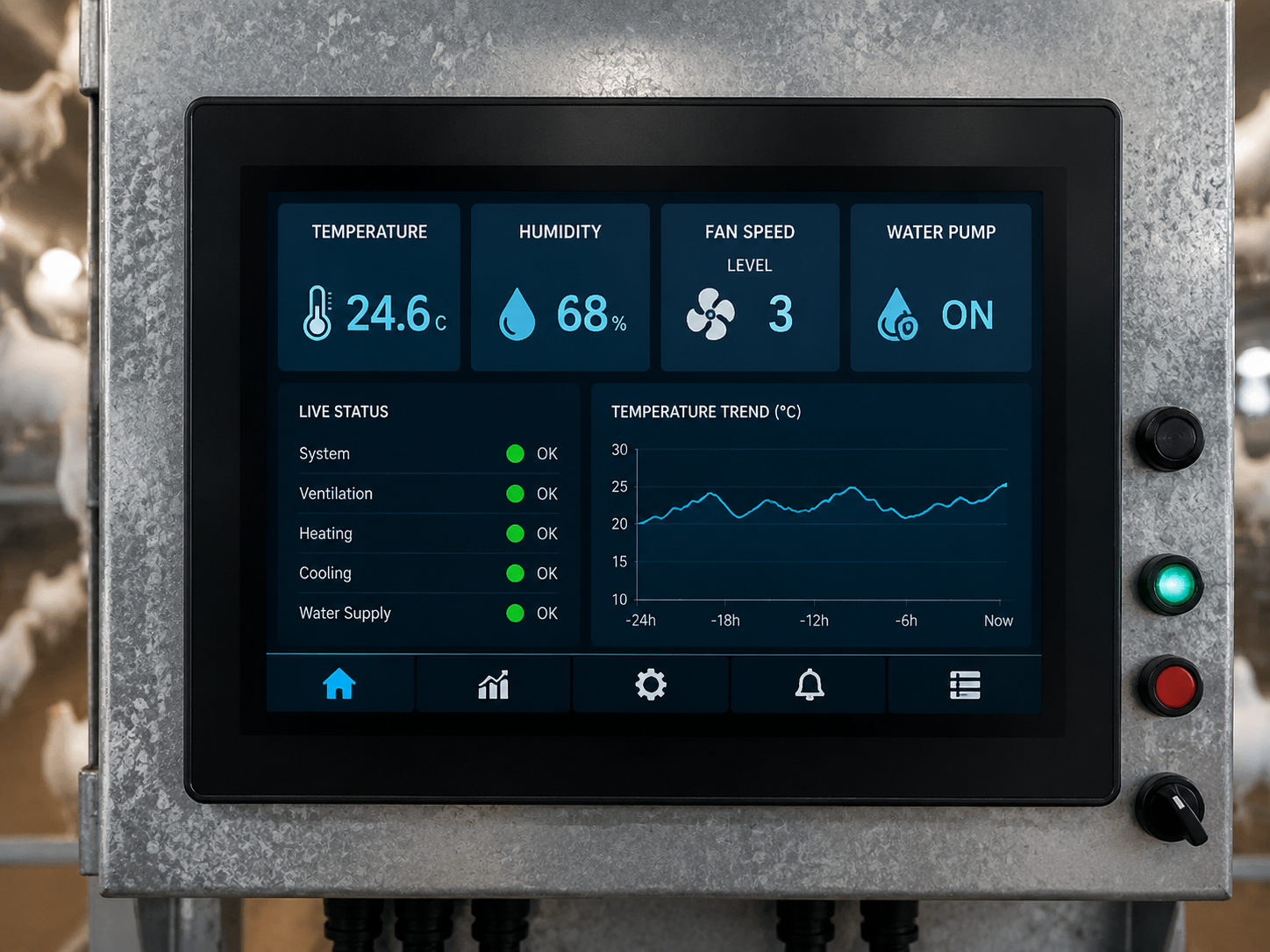
An environmental controller can coordinate fans, cooling pumps, air inlets and alarm functions.
Before summer, test whether:
- The correct fan stage starts when temperature rises;
- The cooling pump starts normally;
- Temperature and humidity sensors work correctly;
- The controller can detect abnormal conditions;
- Over‑temperature alarms are functional.
Sensors should not be installed too close to a wall, fan or air inlet. Their position should represent the conditions experienced by the flock.
7. Prepare Backup Power
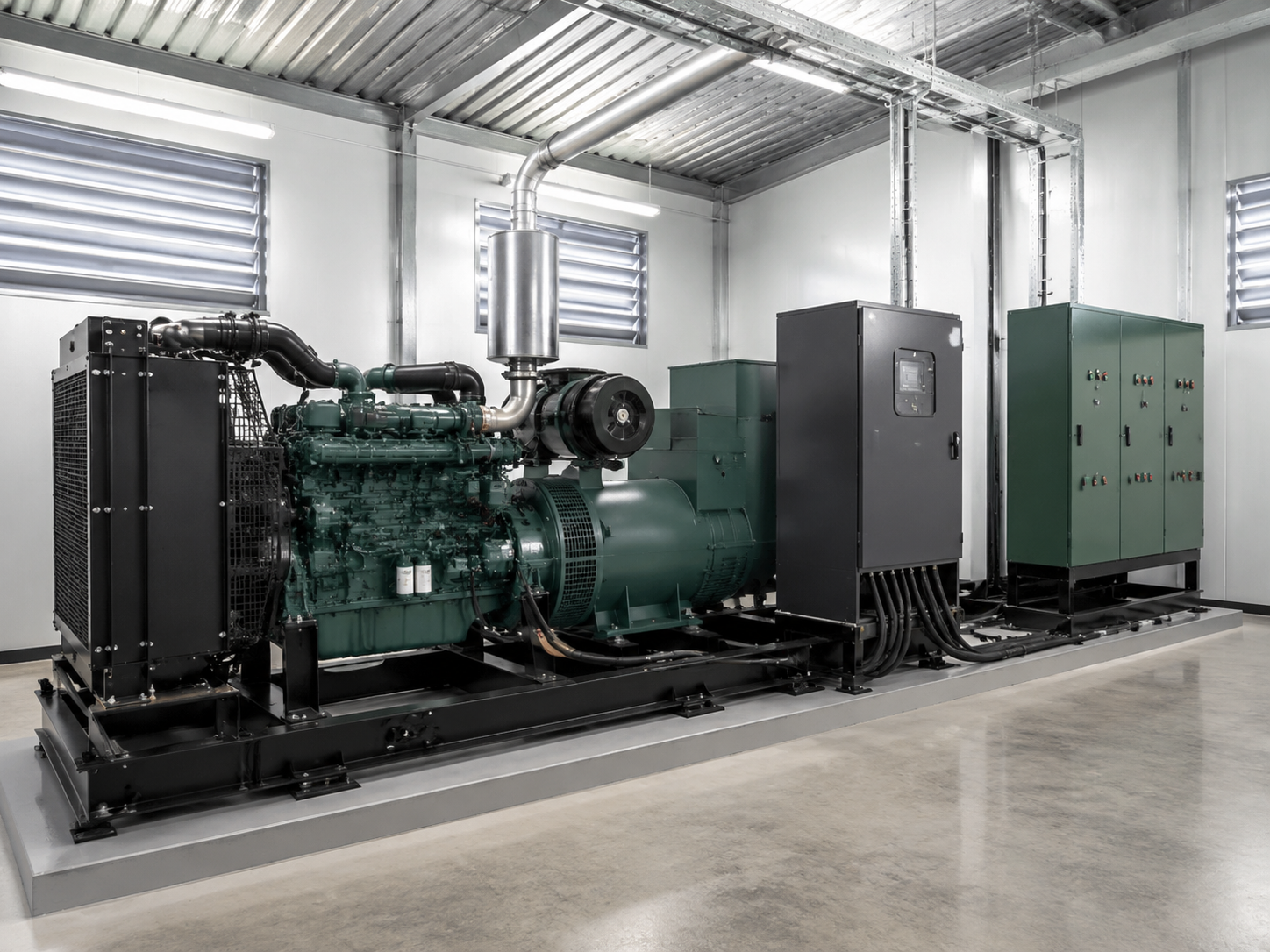
Ventilation and cooling systems depend on electricity. A power interruption during extreme heat can quickly become a serious risk.
Check the generator, fuel supply, electrical panel, cables, circuit breakers and automatic transfer switch. The generator should be tested under the actual operating load, including fans and pumps.
Farm workers should also know which equipment must be restarted first during an emergency.
Typical Equipment for Hot‑Weather Layer Farms
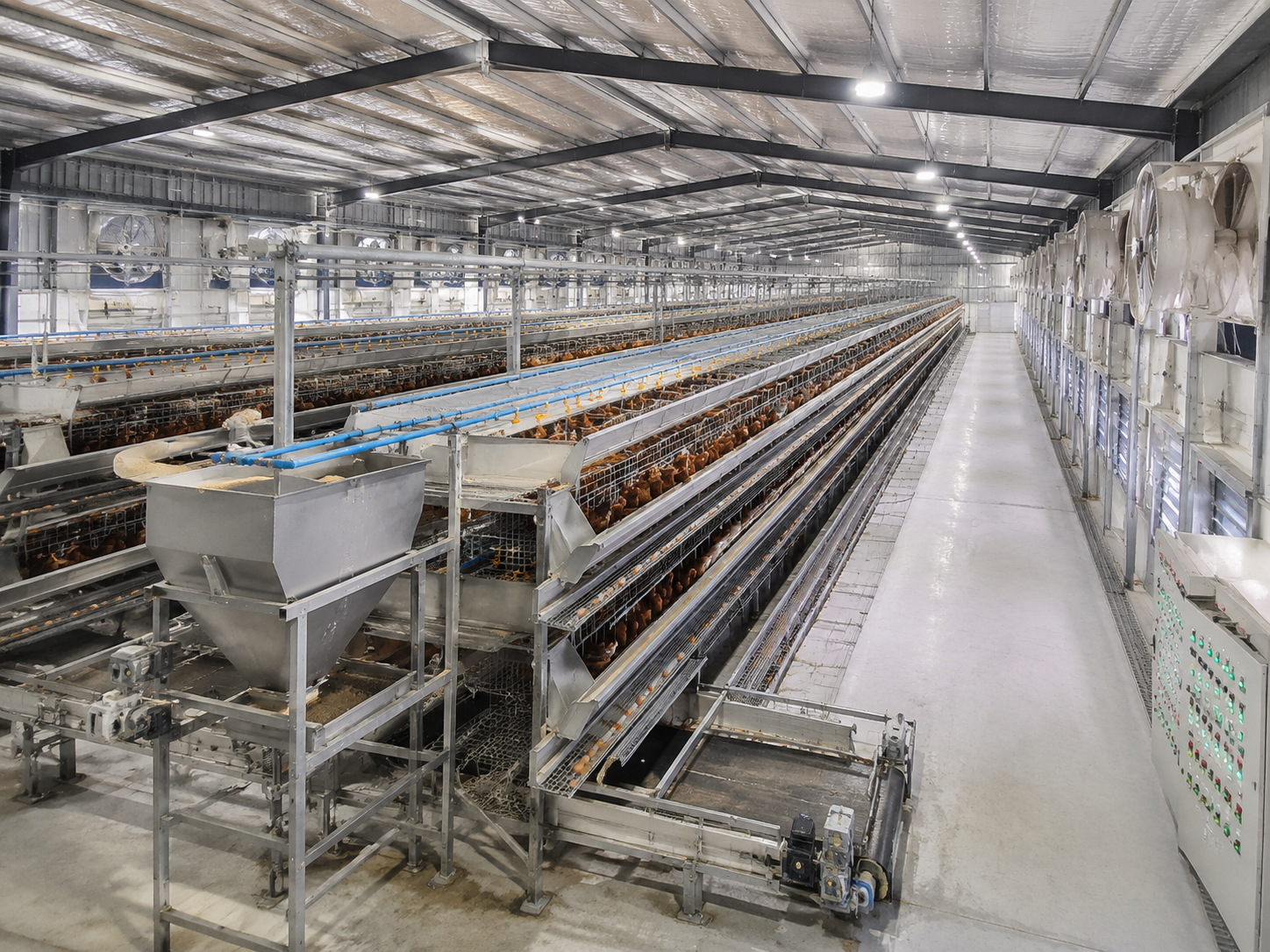
A summer‑ready commercial layer house may include:
- Exhaust fans;
- Evaporative cooling pads;
- Adjustable air inlets;
- Environmental controller;
- Water tanks and filters;
- A‑type or H‑type layer cages;
- Automatic feeding equipment;
- Manure removal system;
- Backup generator.
The exact configuration depends on the poultry house dimensions, flock capacity, local climate, cage type, power supply and required automation level.
---
Do not wait until the first heatwave to discover that your ventilation or cooling system is undersized.
Send us your poultry house length, width and height, target flock capacity, cage type, local voltage and existing equipment.
Contact us today for a heat‑ready poultry house layout and equipment quotation.
Want to know more?
Get in touch with us for more information about our services and products.