
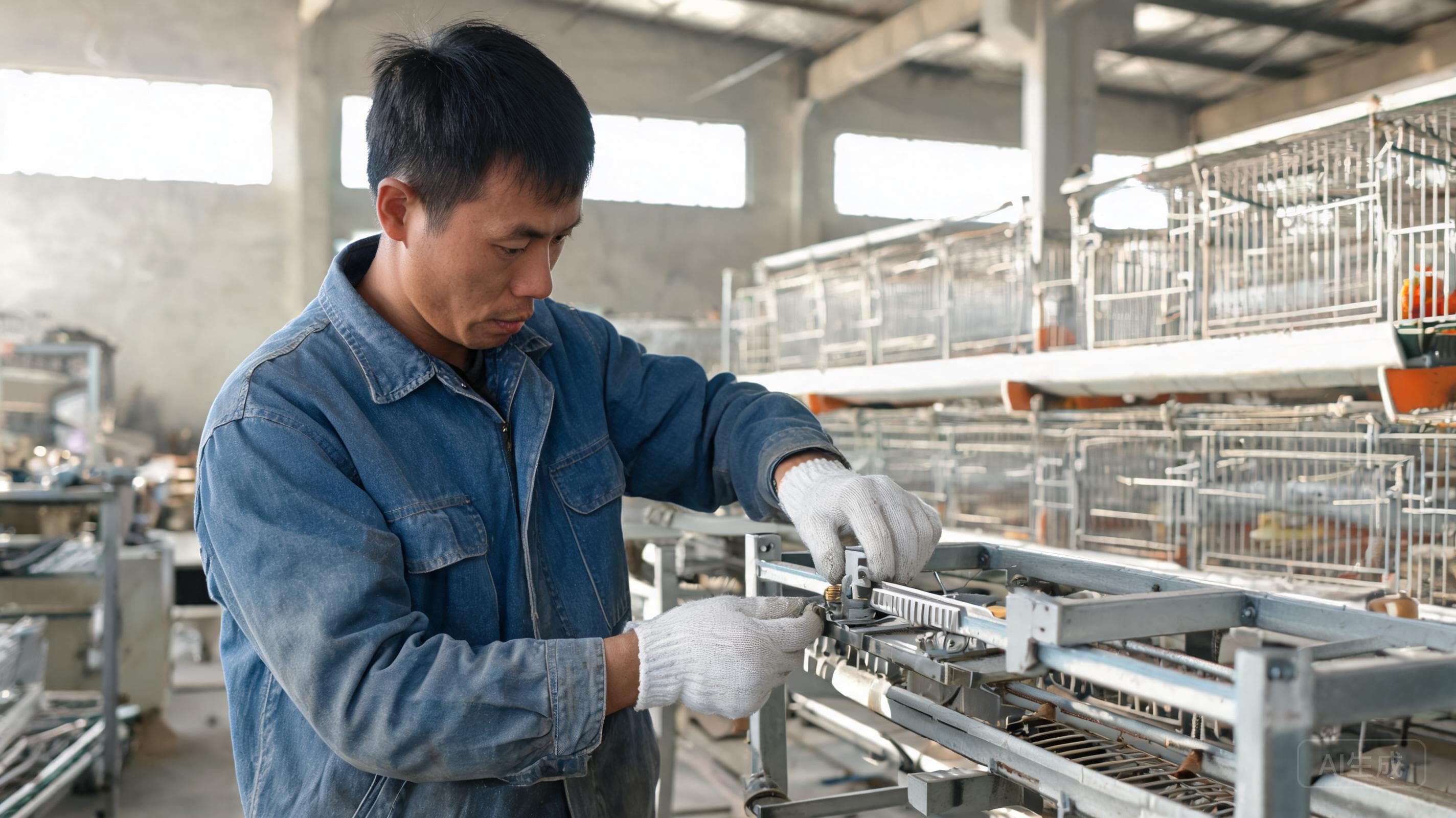
Automatic Chicken Cage Systems: A Strategic Investment for Modern Poultry Farms
Introduction: The Shift Toward Automation in Poultry Farming
Rising labor costs, disease risks, and the demand for consistent egg quality are pushing poultry producers to rethink traditional farming methods. The days of relying on manual labor for every aspect of production are fading, replaced by a data-driven approach that prioritizes precision and predictability. Cage-free and welfare-driven regulations, as well as market pressures, are prompting producers to adopt more efficient and controllable housing systems. This isn't just about compliance; it's about survival in a margin-sensitive industry where every percentage point of efficiency matters.
Automatic chicken cage systems offer a proven solution to balance productivity, bird health, and operational efficiency—turning compliance challenges into competitive advantages. By integrating automatic poultry equipment into your operation, you move from reactive management to proactive control. For a deeper look at how this shift impacts your bottom line, consider the data on automation ROI beyond labor with a 45% density boost and 22% energy savings.
Key Challenges in Poultry Production Today
Labor-intensive manual feeding, egg collection, and waste management increase operational costs and expose workers to health risks. The physical toll of repetitive tasks leads to high turnover, forcing farms to constantly recruit and train new staff—a costly cycle that erodes profitability. Inconsistent environmental conditions lead to heat stress, poor feed conversion, and higher mortality rates, especially in large-scale operations. When temperature and humidity fluctuate, birds experience physiological stress that directly suppresses egg production and feed intake.
Meeting evolving animal welfare and food safety standards requires precise control over housing, feeding, and hygiene—difficult to achieve with manual methods. Regulatory bodies are tightening scrutiny on ammonia levels, stocking density, and biosecurity protocols. Manual systems simply cannot deliver the consistency required to pass audits and secure contracts with major retailers. This is where a poultry housing system with integrated automation becomes non-negotiable for serious producers.
The Business Case for Automatic Chicken Cage Systems
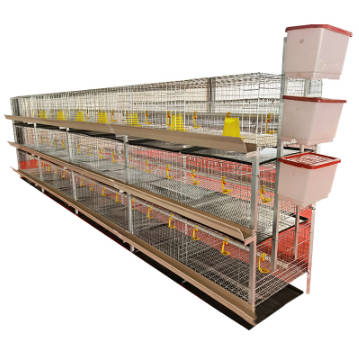
Automation reduces labor requirements by up to 70%, allowing farms to reallocate staff to higher-value tasks like flock health monitoring. Instead of spending hours on repetitive chores, your team can focus on biosecurity, data analysis, and proactive disease prevention. Studies show that automated feeding and environmental control improve feed conversion ratios by 5–10% and lower mortality by up to 3%. These gains compound across multiple flocks, creating a significant cumulative advantage over conventional operations.
With payback periods often under 3 years, automatic systems deliver strong ROI through reduced labor, better egg quality, and higher stocking density. The financial logic is compelling: lower operational costs, fewer losses, and premium pricing for consistently high-quality eggs. If you are evaluating the financial impact, our analysis of true ROI calculation with 48 market data points and 3 hidden costs provides a framework for accurate projections.
Choosing the Right Cage System: A-Type vs. H-Type
A-Type layer chicken cages are ideal for farms with natural ventilation—offering low initial investment and easy installation. These systems are well-suited for operations with 5,000 to 20,000 birds, providing a straightforward path to mechanization without the complexity of fully enclosed climate control. H-Type galvanized layer cages maximize space utilization and are built for intensive operations, integrating seamlessly with full automation. The vertical design of H-type systems allows for significantly higher bird density per square meter, making them the preferred choice for commercial enterprises.
For farms with 5,000–6,000 birds, stacked cages provide a cost-effective entry point into three-dimensional breeding with automation-ready features. These compact systems allow you to scale gradually, adding automation modules as your operation grows. When selecting your chicken cage equipment, consider not just your current flock size but your projected growth trajectory. A modular approach protects your initial investment while positioning you for expansion.
Integrating Automation: Feeding, Egg Collection, and Environmental Control
Automatic feeding systems ensure uniform feed distribution, reducing waste and improving flock uniformity. Precision feeding algorithms adjust rations based on bird age, production stage, and consumption patterns, ensuring every bird receives optimal nutrition. This is a critical component of any automatic egg layer system, as feed represents 60-70% of total production costs. Stacked egg collection systems with vertical elevators minimize breakage and labor, delivering cleaner, more consistent eggs for grading and packing. The gentle handling of eggs through padded conveyor systems significantly reduces cracks and downgrades, directly improving your revenue per dozen.
Poultry house environmental control systems maintain optimal temperature and humidity, cutting heat stress and energy costs while boosting performance. Advanced controllers integrate with ventilation fans, cooling pads, and heating systems to maintain ideal conditions 24/7, regardless of external weather. This level of control is essential for maximizing the genetic potential of modern layer breeds. The integration of these systems creates a poultry farm automation system that operates as a cohesive unit, with sensors feeding data back to a central control unit for real-time adjustments.
Real-World Success: ROI and Operational Gains
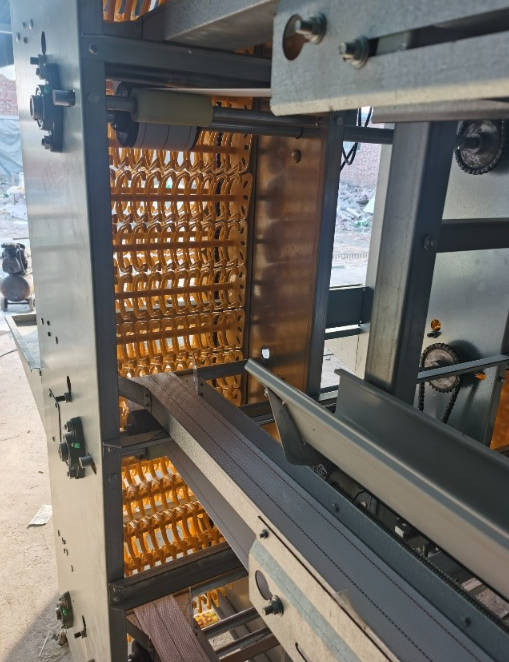
Farms adopting automated layer cage systems report a 20–30% increase in egg production efficiency and a 50% reduction in labor hours. These are not isolated incidents but consistent patterns across diverse geographies and scales. Case studies from Indian poultry producers show that transitioning to automated systems improves bird health and reduces mortality, aligning with cage-free trends while maintaining economic viability. The ability to demonstrate welfare compliance while achieving superior production metrics is a powerful market differentiator.
Turnkey poultry farm solutions, including cage installation and equipment integration, help producers scale quickly with minimal disruption. A reputable chicken cage manufacturer provides end-to-end support, from facility layout to commissioning and staff training. This comprehensive approach eliminates the trial-and-error phase that often plagues self-installed systems. For insights into how automation is reshaping workforce requirements, review our piece on automation reshaping poultry labor with 60% growth demanding new HR strategies.
Future-Proofing Your Poultry Operation
Emerging technologies like robotics and AI-driven monitoring are set to further enhance automation—early adopters will gain a competitive edge. Computer vision systems can now detect early signs of illness, feed consumption anomalies, and even individual bird weight variations. These predictive capabilities allow for intervention before problems escalate, reducing medication costs and mortality. Modular cage systems allow for incremental upgrades, protecting your investment as your farm grows. You can start with essential automation and add advanced features like AI analytics or robotic inspection as your budget allows.
Partnering with a reliable chicken cage supplier ensures access to custom designs, export-quality materials, and ongoing technical support. The right partner doesn't just sell equipment; they become a strategic advisor for your long-term growth. When evaluating commercial chicken cages, look for manufacturers with proven export experience and a track record of after-sales service. The scalability of industrial poultry cages means your initial system can evolve into a fully integrated operation. Explore how vertical poultry automation achieves 10x density with 60% lower operating costs to understand the potential of advanced configurations.
Conclusion: Take the Next Step Toward Automation
Automatic chicken cage systems are not just an equipment purchase—they are a strategic investment in efficiency, sustainability, and profitability. The transition to automated poultry farming is no longer a question of "if" but "when," as labor markets tighten and regulatory pressures intensify. Evaluate your farm’s specific needs, from bird capacity to existing infrastructure, and consult with experts to design a solution that fits your goals. Whether you need a battery cage system for poultry for layers or a specialized broiler chicken cages setup, the right configuration will transform your operation.
The evidence is clear: farms that embrace automation consistently outperform their manual counterparts on every meaningful metric—production efficiency, bird health, labor costs, and environmental compliance. As the industry evolves, the gap between automated and manual operations will only widen. Ready to transform your poultry operation? Contact us today for a free consultation and a customized quote.
Want to know more?
Get in touch with us for more information about our services and products.