
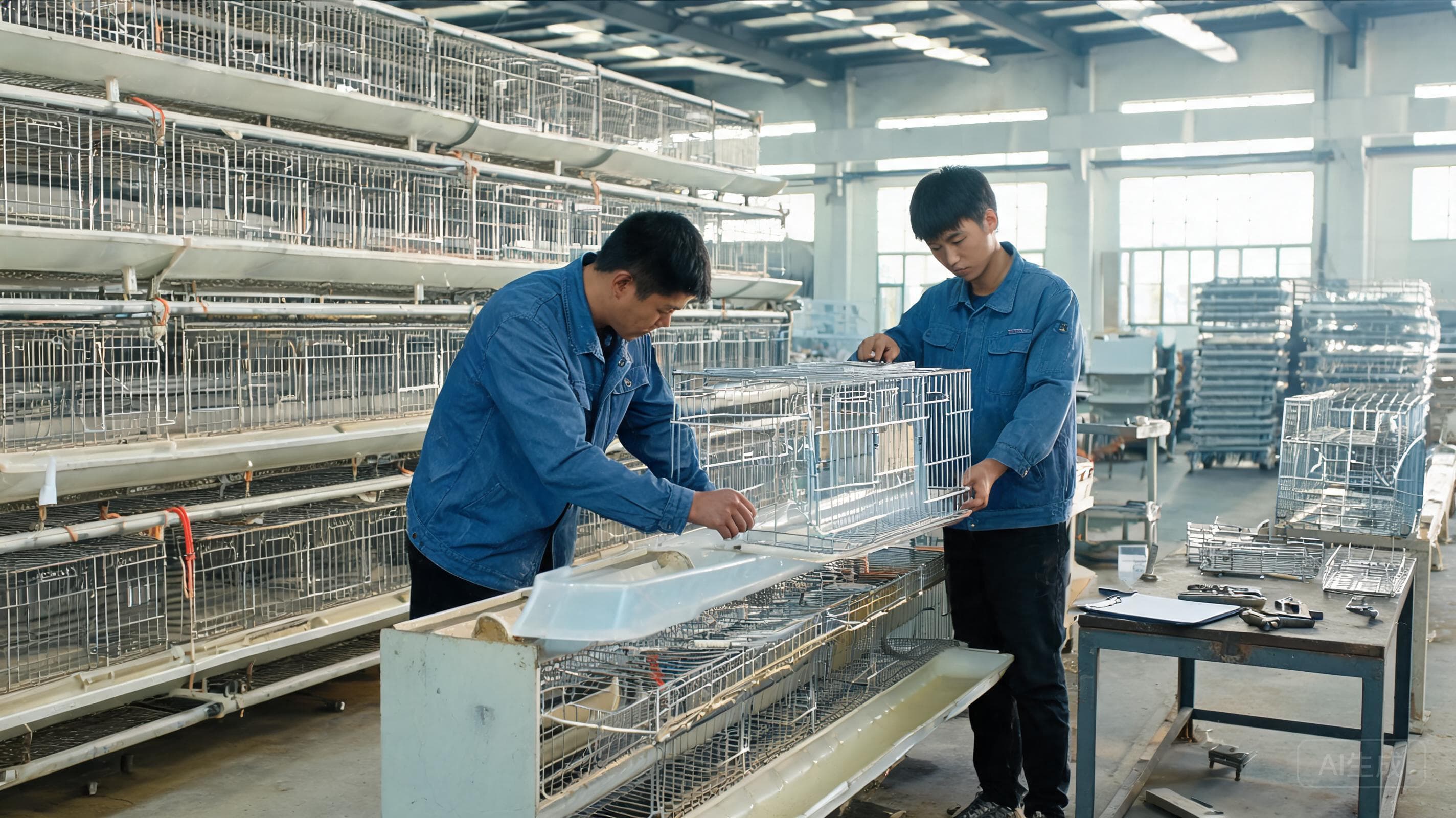
How to Choose an Automatic Chicken Cage System That Improves Farm Performance
Understand the operating pressures behind poultry farm automation
Labor shortages, rising operating costs, production targets, and margin pressure all shape decisions on a growing poultry farm. Automation can help teams manage routine work more consistently, but the most automated option is not always the right fit.
The right housing system balances labor requirements, floor-space use, flock management, housing conditions, capital investment, and local buyer expectations. It must also comply with applicable regulations and suit the realities of your market. Research on Indian producers’ perspectives on moving from battery cage systems to cage-free facilities highlights the challenges that can accompany a change in housing model. The best decision depends on your farm’s requirements—not automation alone.
As production scales, distributing feed, collecting eggs, and removing manure can take substantial time. A well-planned poultry farm automation system can reduce repetitive work and support reliable daily routines. To deliver value, the equipment must suit the birds, buildings, labor plan, and production goals.
Before comparing systems, identify your priorities: staffing capacity, target output, egg quality, manure handling, housing conditions, or expansion plans. Read how automation reshapes poultry labor for additional context, then base your investment decision on your own operation and local requirements.
Know what an integrated poultry cage system includes
A Poultry Cage System is an integrated cage, feeding, and management system for poultry farms. It can include housing, feeding, drinking, egg collection, and manure management. A cage structure alone is not an Automatic Chicken Cage: a fully automated cage system combines the housing with feeding, drinking, egg collection, and manure removal.
An automatic feeding system distributes feed along the cage rows. Nipple drinking lines supply water, while an Egg Collection System uses conveyors to collect eggs automatically and move them toward a collection point. Manure belts remove droppings from beneath the cages. Together, these components can reduce repetitive manual work and support more consistent workflows.
An Environmental Control System regulates temperature and ventilation. Consider it alongside cage and equipment selection: cage configuration, airflow, stocking plans, and climate controls need to function as a coordinated system.
Assess automation claims carefully. A percentage is meaningful only when the source, operating conditions, and measure are clear. Do not assume an unverified industry figure guarantees labor savings or higher productivity on your farm.
Match the configuration to flock size and production goals
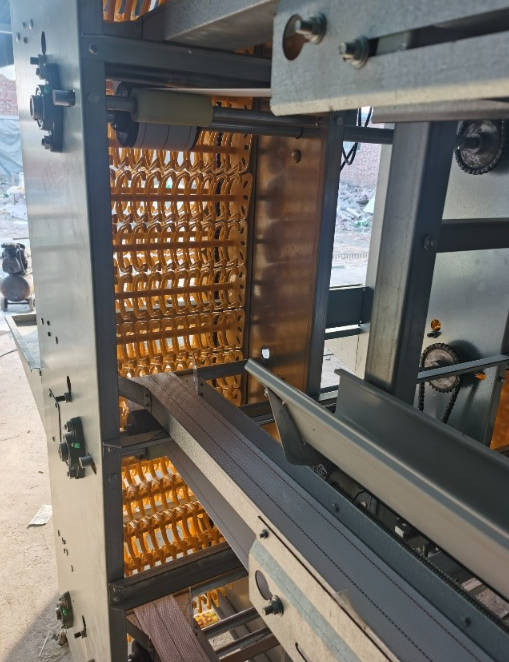
For operations with roughly 5,000–6,000 birds, a stepped, three- or four-tier stacked system may be an option. Galvanized units can be installed individually or connected in groups, depending on the building layout and flock plan.
A Layer Cage System is designed specifically for egg-laying hens. An A-type configuration typically combines stepped galvanized cages with feed troughs and nipple drinking lines. It may suit open or naturally ventilated houses when the layout, climate, and management plan support that approach.
Higher-capacity egg operations may consider a stacked system with hot-dip galvanized construction and automated feeding, drinking, and manure removal. It may be appropriate for a large-scale poultry farm if the building dimensions, utilities, and operating requirements are compatible.
Layer and broiler operations have different equipment requirements. Confirm that bird type, target capacity, house dimensions, and applicable standards inform the specification.
Plan egg collection, manure handling, and packing as one workflow
In a stacked egg collection system, a vertical elevator can transfer eggs from multiple cage tiers to a central table and cross conveyor. Egg carriers help limit collisions and breakage as eggs move through the collection route. Plan the full workflow around collection capacity, conveyor layout, and the next handling step.
An automatic manure belt system collects droppings beneath cage tiers and conveys them out of the poultry house. This supports centralized manure handling, including composting or biogas use where appropriate to the farm’s plan and local requirements.
For commercial farms and processing plants, an automatic egg tray packing machine can receive, count, and load eggs into trays. Match its capacity and format to the speed and specifications of upstream egg-handling equipment.
These modules can be integrated into an existing poultry farm automation system or specified together in a Turnkey Poultry Farm—a complete poultry farm delivered as a full package. Review the connections from cage row to egg collection, manure handling, and packing to prevent workflow gaps. For a broader view of potential business impacts, read this discussion of automation ROI beyond labor.
Evaluate suppliers on system fit, installation, and support

Ask a chicken cage or poultry equipment manufacturer for a layout proposal based on flock capacity, house dimensions, local climate, labor availability, and expansion plans. The proposal should show how equipment fits in the building and how daily workflows will operate.
Compare galvanized wire, hot-dip galvanized steel, and other specified materials against the farm environment, maintenance requirements, and expected service life. Request detailed specifications so you can assess the material and finish rather than relying on a general description.
Confirm the scope for installation, commissioning, operator training, spare parts, and after-sales support. For export projects, ask whether the supplier can meet the requirements of your destination market and provide the necessary documentation.
Compare total cost of ownership, not just the purchase price. Include labor, maintenance, energy, egg handling, manure removal, and expected operating capacity. This guide to calculating poultry automation ROI can help structure your review, but use data from your own farm.
Measure performance before committing to an investment
Record a baseline for labor hours, egg breakage, feed handling, manure removal time, and flock performance before selecting equipment. These measures let you compare current operations with the expected workflow after installation.
Build an ROI model using your own prices, production assumptions, installation costs, and operating expenses. Include equipment, energy, maintenance, staffing, and any building modifications. Avoid relying on unverified industry-wide savings claims or assuming another farm’s results will transfer directly to yours.
Consider sustainability alongside productivity, including resource use, resilience, and housing requirements. Compare an automatic cage system with other housing options using relevant evidence. Do not include a percentage in an ROI claim unless its measure, source, and context have been verified.
Request a system recommendation for your farm
Share your target capacity, house layout, layer or broiler requirements, current equipment, and desired automation level when requesting a proposal. A qualified supplier can recommend a system configuration, installation scope, and options for future expansion.
Get a proposal tailored to your operation—not a generic equipment list. Contact our team to request a farm layout review and quotation for an automatic poultry cage system. Include your flock capacity, house dimensions, and production goals to receive a specific equipment recommendation.
Want to know more?
Get in touch with us for more information about our services and products.