

Navigating Modern Poultry Production Challenges: The Role of Automated Systems in Scalable, Profitable Farming
Introduction: The Stakes of Modern Poultry Production
The poultry industry faces unprecedented pressure: from the 2024 closure of Cooks Venture leaving over 1 million birds in limbo, to labor-intensive processing lines struggling with workforce shortages, and growing concerns over welfare and efficiency in fast-growing breed management. These challenges highlight a critical truth: traditional poultry farming methods—reliant on manual labor, outdated housing, and inconsistent processes—are no longer viable for scaling operations profitably. The path forward lies in automation. Today’s poultry producers need integrated, efficient systems that reduce labor dependency, minimize waste, and enhance bird health—all while supporting large-scale growth. This article explores how purpose-built automatic poultry cage systems and equipment are addressing these pain points, driving resilience, and unlocking new levels of profitability.
Industry Wake-Up Call: Trends Reshaping Poultry Farming in 2024
Key industry reports underscore the urgency for change: The 2024 State of the Chicken Industry Report highlights that 90% of producers cite "operational inefficiency" as a top barrier to growth, while a white paper on cage-free housing challenges notes that 76% of farms transitioning to non-cage systems have faced unexpected cost overruns and productivity dips. Labor shortages remain a defining issue, with Usher’s analysis showing that automation could reduce dependency on manual labor by up to 60% in high-intensity tasks like feeding and egg collection—critical for farms aiming to scale without compromising consistency. As highlighted in our analysis of how automation reshapes poultry labor, this shift from manual to automated tasks is non-negotiable for farms aiming to scale without sacrificing consistency. These trends demand a shift from piecemeal solutions to holistic automation. Modern poultry farms need systems that integrate housing, feeding, egg collection, and environmental control to thrive in today’s competitive landscape.
The Hidden Costs of Outdated Poultry Systems
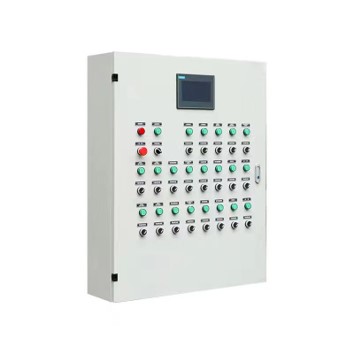
Labor intensity: Manual feeding, egg collection, and manure removal not only drive up operational costs but also introduce inconsistency—leading to uneven bird growth, higher feed waste (often 15-20% in manual systems), and increased egg breakage. Scalability limitations: Traditional floor-rearing or basic cage setups fail to maximize space, restricting stocking density and limiting growth potential for ambitious producers. Environmental and welfare risks: Poor ventilation, inconsistent feeding, and delayed manure removal contribute to ammonia buildup, heat stress, and disease spread—undermining bird health and laying performance, and risking compliance with evolving welfare standards. For commercial operations, these hidden costs add up: a farm with 10,000 layers using manual feeding could lose $15,000+ annually to feed waste alone—costs that automated poultry equipment eliminates.
Solutions That Transform Operations: Key Automated Poultry Systems
Overhead Travelling Feeding Machine for Poultry Cages: Designed to replace labor-intensive manual barrow feeding, this system installs on overhead rails, traveling along cage rows to distribute feed uniformly. Its galvanized steel construction resists corrosion in high-humidity environments, while adjustable feed outlets and programmable speed controls reduce waste by up to 12% and ensure every bird receives consistent nutrition. Ideal for large-scale layer and breeder houses, it cuts labor hours by 70% compared to manual methods, supporting seamless scaling. This automatic feeding poultry system is a cornerstone of modern poultry farm automation, turning a daily chore into a streamlined process.
Automatic Egg Picking Machine with Multi-Layer Breeding Cages: This integrated system combines vertical three-layer or four-layer cages with automated egg collection, addressing two critical pain points: space utilization and labor. The high-strength galvanized steel cages resist rust and support modular expansion (up to 50,000 birds per building), while the conveyor-based egg picking system achieves a breakage rate under 0.5%—far below manual collection rates. Compatible with breeds like Hailan Brown and Roman Flour, it ensures clean, damage-free eggs and frees staff from tedious collection tasks. As our research on precision automation reducing egg loss shows, this system directly impacts the bottom line by preserving valuable egg yield.
A Type Layer Chicken Cage System: An economical choice for mid-sized operations, this galvanized step-type battery cage system features a pyramid-shaped A-frame design that simplifies manure management (droppings fall directly to pits or ground) and reduces initial investment. Equipped with nipple drinking lines and front feed troughs, it improves access to water and feed, boosting laying performance. Its open structure enhances ventilation and light exposure, supporting bird health, while easy installation makes it ideal for farmers upgrading from floor rearing. For those transitioning from manual methods, this layer chicken cage system balances affordability with functionality—key for sustainable growth.
H Type Galvanized Layer Chicken Cage System: Built for intensive commercial operations, the H-type system maximizes space with vertical stacking, increasing stocking density by 40% compared to traditional setups. Hot-dip galvanized steel ensures longevity in harsh poultry house environments, while integrated manure belts remove waste promptly—lowering ammonia levels and improving air quality. Compatible with automated feeding, egg collection, and manure removal systems, it supports full farm automation, reducing labor costs by up to 80% and enabling management of tens of thousands of birds efficiently. By utilizing vertical stacking, the H-type system maximizes space efficiency—a game-changer for commercial operations aiming to scale to 50,000+ birds.
Poultry House Environmental Control System: No automated setup is complete without precise climate management. This system regulates temperature, humidity, and ventilation via tunnel fans, evaporative cooling pads, and intelligent controllers, ensuring birds thrive in optimal conditions. By preventing heat stress and maintaining consistent air quality, it reduces mortality rates and improves feed conversion ratios—key drivers of profitability for large-scale operations. When paired with layer chicken cage systems, it creates a closed-loop environment that prioritizes bird health and operational efficiency.
From Struggle to Success: The ROI of Automation
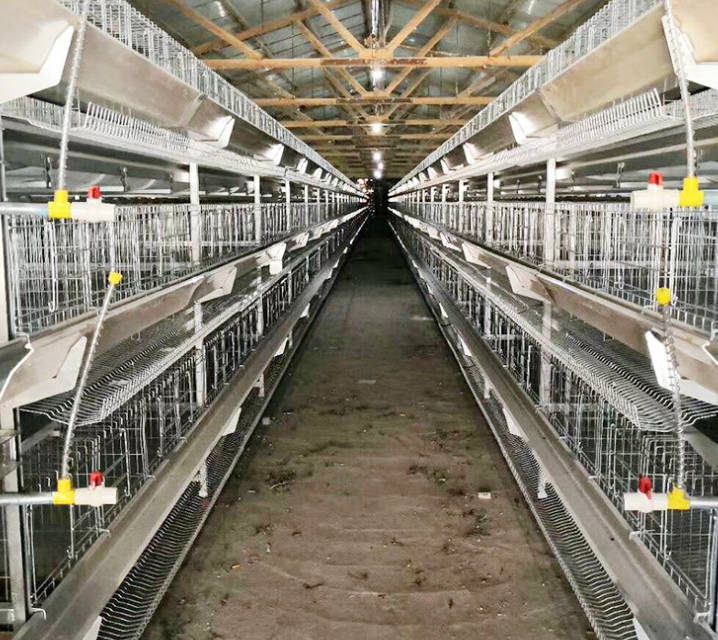
Industry data confirms the impact: Farms adopting automated poultry cage systems report up to 90% improvement in operational efficiency, as cited in the 2024 State of the Chicken Industry Report. This translates to lower labor costs, reduced feed waste, and higher egg output per square meter. Case examples highlight transformative results: Producers switching to overhead feeding systems and automatic egg pickers have reported 15-20% reductions in feed costs and 30% fewer labor hours, while those upgrading to H-type or multi-layer cage systems have scaled from 10,000 to 50,000+ birds without proportional increases in staffing. The 76% failure rate of poorly planned cage-free transitions (per the 2024 white paper) underscores the importance of investing in proven, integrated systems. Unlike ad-hoc upgrades, purpose-built automated cage systems—complete with feeding, egg collection, and environmental control—deliver predictable ROI by aligning with the needs of modern, scalable poultry production. To truly understand the impact, explore our guide on calculating poultry automation ROI, which breaks down hidden savings like reduced feed waste and lower labor overhead.
Choosing Your Automation Journey: Tailored Solutions for Every Farm
Mid-sized operations (5,000-20,000 birds): Prioritize cost-effective, scalable systems like the A Type Layer Cage System or compact stacked three-story/four-story cages. Pair with an overhead travelling feeding machine to reduce labor, and add basic environmental controls to regulate temperature. For these farms, the goal is to balance affordability with growth—systems that allow expansion without overcapitalizing.
Large-scale commercial operations (20,000+ birds): Invest in H Type Layer Cage Systems, automatic egg picking machines, and full environmental control systems. Integrate overhead feeding machines for uniform nutrition and automated manure removal systems to maintain hygiene and reduce ammonia levels. These operations need industrial poultry cages that can handle high stocking densities while preserving bird health—a non-negotiable for scaling to 50,000+ birds.
Customization is key: Every farm has unique needs—from facility size to breed type. Look for suppliers offering turnkey poultry farm solutions, including custom cage configurations, equipment integration, and installation support, to ensure systems align with your growth goals. A one-size-fits-all approach fails; the best automated poultry equipment is tailored to your operation’s strengths and challenges.
Conclusion: Partnering for Poultry Production Excellence
The poultry industry’s future belongs to producers who embrace automation. By addressing labor shortages, waste, and scalability challenges with purpose-built systems—from overhead feeding machines and automatic egg pickers to advanced layer cage systems and environmental controls—farmers can transform inefficiency into profitability. For mid-sized operations, this means moving from manual feeding to automated systems that cut labor costs by 70%. For large producers, it means investing in vertical cage systems that increase stocking density by 40%—turning unused space into revenue.
Whether you’re a farmer transitioning from manual methods or a large producer scaling to 50,000+ birds, the right automated poultry cage equipment turns challenges into opportunities. It’s not just about equipment—it’s about building a resilient, future-ready operation that can adapt to labor shortages, rising feed costs, and evolving welfare standards.
Ready to take the next step? Contact our team to explore custom poultry cage systems, turnkey farm solutions, and expert guidance tailored to your operation. Let’s build your path to scalable, profitable poultry production—one automated system at a time.
Want to know more?
Get in touch with us for more information about our services and products.