
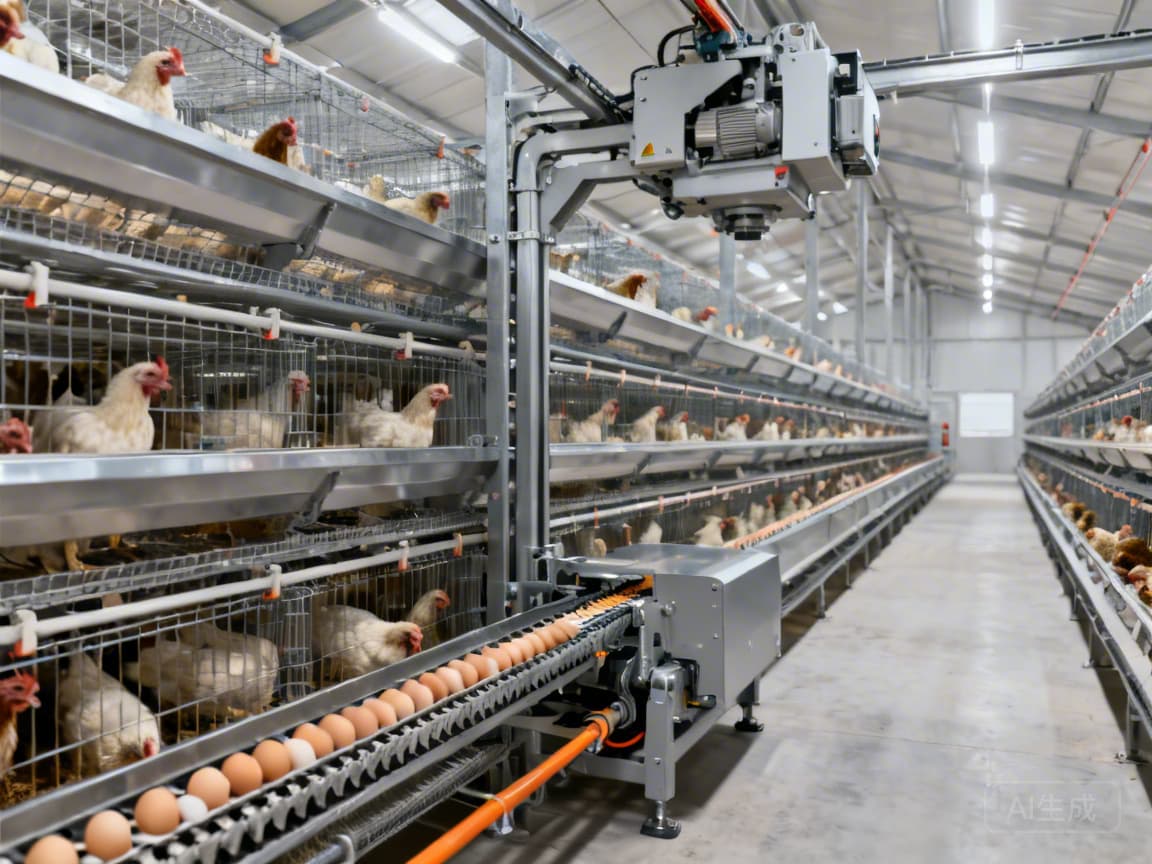
Automate Your Poultry Farm: The Ultimate Guide to Scaling Efficiency and Profitability with Automatic Chicken Cage Systems
The Poultry Farming Dilemma – Labor Shortages, Inefficiency, and the Race to Scale
Spending more time on manure cleaning than growing your business? You’re not alone. Poultry’s most labor-intensive tasks are becoming unmanageable as labor availability dwindles, leading to inconsistent egg quality, ammonia buildup, and stalled expansion. This isn't just a nuisance; it's a barrier to sustainable growth. Automatic chicken cage systems are the proven solution to unlock scalable efficiency, turning manual burdens into automated profits.
The Hidden Costs of Sticking to Manual Poultry Systems
Manual operations drain resources silently. Labor can consume 60% of a farm's expenses, while egg breakage hits 5-10% with manual collection. Ammonia-related mortality spikes vet bills, and heat stress drives feed waste. Consider a medium-sized operation that spent $20,000 annually on avoidable labor and ammonia costs—funds that could have fueled expansion. Every day you delay integrating automatic poultry equipment, you're leaving profits on the table, as detailed in our analysis on true ROI calculations.
Why Automatic Chicken Cage Systems Are Non-Negotiable for Modern Poultry Farms
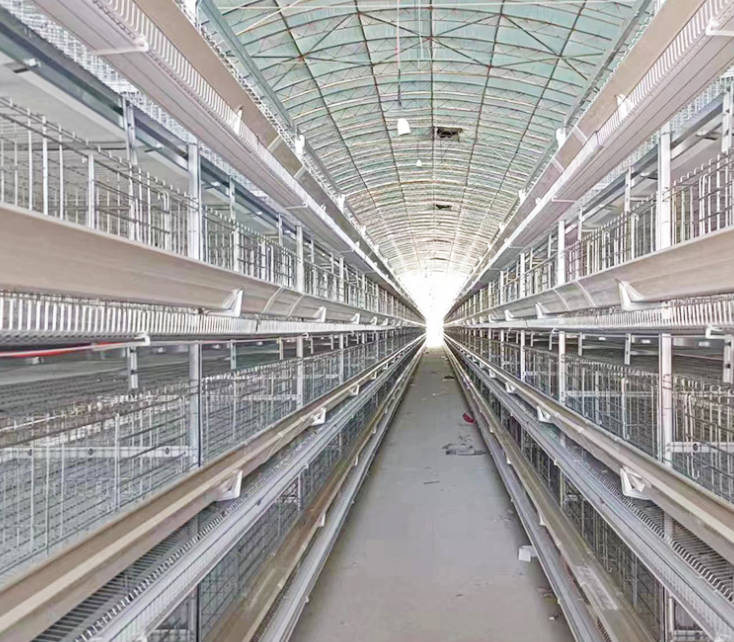
Industry data confirms the shift: the poultry cage system market is projected to reach $2.5 billion by 2033, with 70% of large farms already using automation. Contrary to myth, automation isn't exclusive to massive operations; compact stacked cages efficiently house 5,000 to 6,000 birds. Farms leveraging these systems cut labor by 30% and boost egg production by 20%. This isn't futuristic—it's today's standard for competitive automated poultry farming, reshaping labor strategies for growth.
The 4 Pillars of a High-Performing Automatic Chicken Cage System
No single component solves all pain points; the best systems integrate seamlessly. First, manure management: a belt manure removal system eliminates ammonia risks. Second, egg collection and cage design: from compact stacked to large stacked cages with automatic picking machines, ensuring gentle handling. Third, environmental control: a poultry housing system stabilizes temperature and humidity. Fourth, feeding efficiency: an overhead travelling feeding machine optimizes nutrition. Together, these pillars form a robust poultry farm automation system, boosting density and slashing costs.
How to Choose the Right Automatic System for Your Farm
Selecting the ideal system hinges on your farm size, breed specifics like Hailan Brown or Roman Flour, and growth ambitions. Use this framework: for moderate-scale operations with 5,000 to 6,000 birds, compact stacked cages paired with an automatic feeding poultry system yield quick returns. For larger setups exceeding 50,000 birds, industrial poultry cages with full automation are key. Ask critical questions: "Do you plan to scale in five years? What's your biggest labor drain?" This ensures your layer chicken cage system aligns with long-term goals, as shown in seasonal optimization guides.
Real Results: How Farms Are Boosting Profitability With Automation
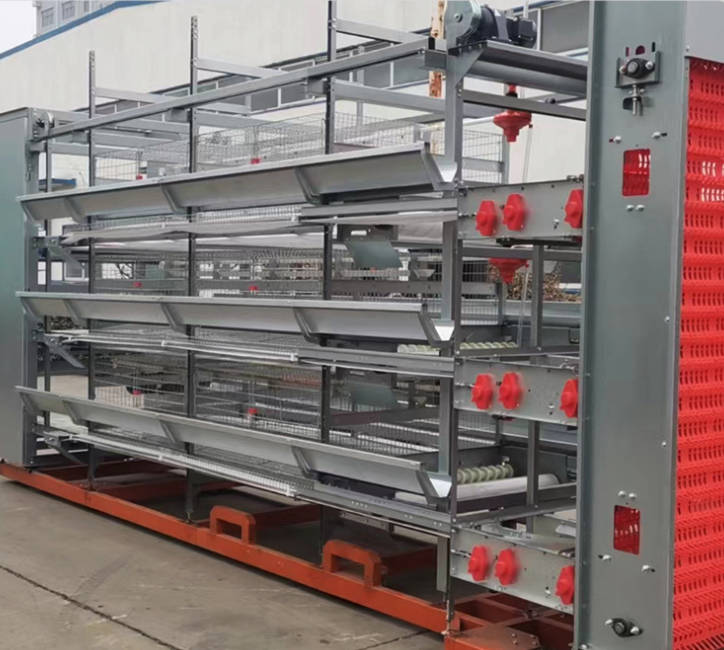
Proof lies in performance. One medium farm cut labor by 30% and saved $20,000 yearly after deploying large stacked cages with a manure system. Another operation reduced feed waste by 10% and expanded capacity by 1,000 birds using compact stacked cages and a feeding machine. On average, investments in automatic egg layer systems are recouped within 12 to 18 months, with precision automation boosting efficiency by 20% and reducing egg loss significantly.
From Plan to Profit: How to Implement Your Automatic Chicken Cage System
Implementation is straightforward with a turnkey poultry farm approach. It starts with custom design by a seasoned chicken cage manufacturer, followed by professional poultry cage installation, comprehensive training, and ongoing support. You don't need to be a tech expert—we handle the complex integration of chicken cage equipment. From plan to production, expect deployment in weeks, not months, accelerating your path to profitability with a reliable poultry cage system.
Ready to Automate? Here’s Your Next Step
Labor costs are rising; don't let competitors gain an edge. Schedule a farm assessment to receive a customized system recommendation, and for a limited time, gain access to an exclusive Poultry Automation Checklist with your booking. To transform your operations with industrial poultry cages, contact our team today to see how much you could save.
Want to know more?
Get in touch with us for more information about our services and products.