
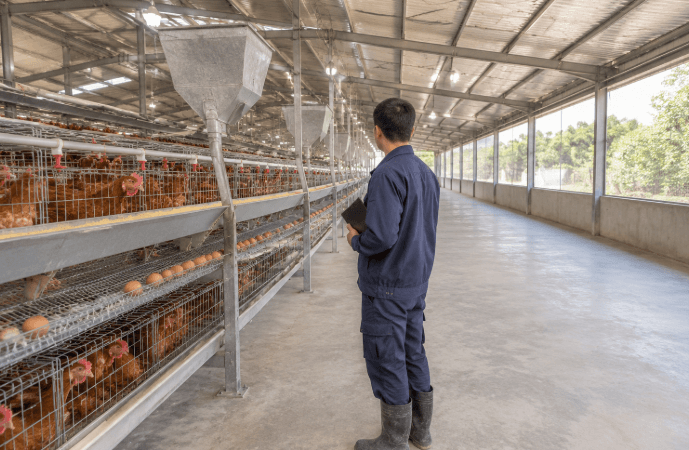
Starting with 5,000 Layers: What to Plan Before Adding More Cages Later
Can you buy cages for 5,000 laying hens now and add more to the same row later? That depends on the selected model, house layout and connected equipment. Space for extra cages does not confirm that an installed system can be extended.
Before ordering, show the supplier your first-stage flock and intended final flock. Ask which expansion route, if any, is supported by the proposed model and what would need to be retained, added, moved or replaced.
If later expansion is essential to your investment plan, obtain written confirmation of the proposed arrangement before selecting the first-stage configuration. If it remains unconfirmed, treat it as an unresolved condition when comparing offers.
1. Choose the Expansion Route to Be Reviewed
Extend the same row
Mark the position of additional cage segments along the existing row, including equipment locations and channels at both ends. Inquire whether a specific model supports this extension and which connected systems will undergo changes. Any proposed device movement or replacement should be within scope.
Add another row
Display the future row next to the installation of the first phase, as well as the aisle and service passage. Determine whether feeding, drinking, egg collection, and fecal removal are separate or connected to shared devices. These connections and shared capacity need to be reviewed based on the final layout.
Equip another house
Provide a site plan showing these two houses and any facilities that provide services for them. Require the project team to separate the equipment of each house from the shared infrastructure for feed, water, egg or manure treatment.
These are alternative options for evaluation, not confirmation options for each cage model. If the route is not yet determined, please specify it in the inquiry instead of quoting based on unspecified future extension requirements.
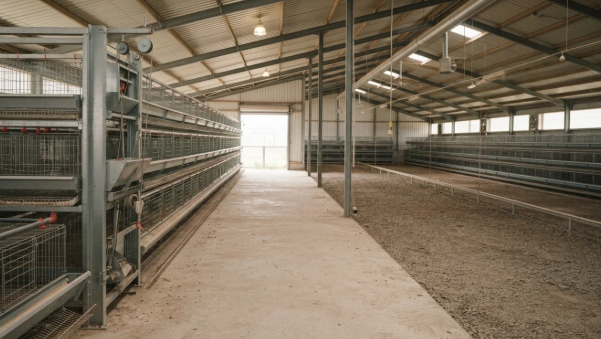
2. Send Information for Both Stages
Prepare one project brief with:
- Flocking Plan: The initial 5000 layers, the final quantity and expansion time of the plan, if known.
- Measured house plan: usable internal length, width and clear height, with units, columns, doors and fixed obstructions marked.
- Expansion location: proposed row expansion, additional row or second building.
- Channels and routes: work channels, equipment service areas, feed delivery, egg collection, and fecal discharge.
- Utilities and retained equipment: available water and electricity information, connection locations, model references, drawings and nameplate details where available.
- Operating constraint: whether the first flock may still be present when the later work is planned.
Mark measurements or assumptions that still need checking. Ask which additional site information is needed to review the proposal.
The quoted capacity must be tied to the proposed model and arrangement. Have the responsible farm and local technical reviewers check the stocking and building requirements at the destination. For capacity calculations and quotation inputs, see the layer cage capacity and quotation checklist.
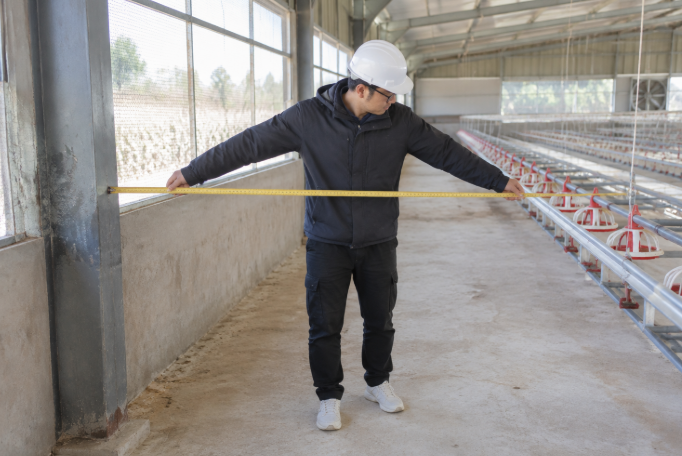
3. Separate First-Stage Equipment from Future Provisions
Use this table to discuss the two stages with the supplier and project team. It is not a purchasing specification: the selected model and reviewed drawings must determine the actual items and quantities. Apply each row only to equipment included in the proposed project.
| Buy now | Reserve now | Add later | Pending engineering confirmation |
|---|---|---|---|
| Cages: equipment listed on the accepted first-stage layout | Expansion space and access identified on the reviewed layout | Cage sections or rows, if the proposed extension is accepted | Model compatibility, connections, supports and equipment positions at both ends |
| Feeding: the specified first-stage equipment | Only the space or connection provisions identified by the system review | Equipment listed for the later phase | Final row arrangement, feed distribution, drives and parts to retain or change |
| Drinking: the specified first-stage installation | Reviewed connection locations and access | Lines and components required by the accepted later-stage design | Water supply, pressure control, flushing, isolation and affected existing parts |
| Egg collection: the selected first-stage equipment | Collection routes and transfer space identified in the final layout | Additional equipment or upgrades identified by the review | Belts, drives and transfer points where fitted; shared downstream capacity |
| Manure removal: the selected first-stage equipment | Reviewed removal routes, discharge space and service access | Equipment or changes identified for the later phase | Removal method, equipment lengths, connections, drives and discharge arrangements |
| Controls and electricity: the first-stage installation within the agreed scope | Provisions shown on the reviewed control and electrical plans | Changes specified for the later phase | Control compatibility, loads, site supply and installation responsibilities |
| House environment: equipment specified for initial occupancy | Provisions identified by the house design | Changes specified for final occupancy | Ventilation and cooling arrangements for each stage and the completed cage layout |
“Reserve now” should identify a particular space, connection or design provision. It does not mean buying larger equipment without a design basis. If a provision has not been reviewed, record it as pending rather than including it as a confirmed requirement.
Ask who is responsible for each review and connection. Distinguish the agreed scope of cage suppliers from the work assigned to other equipment suppliers, building and utility designers, and farm teams. Keep unresolved interfaces visible in the proposal.
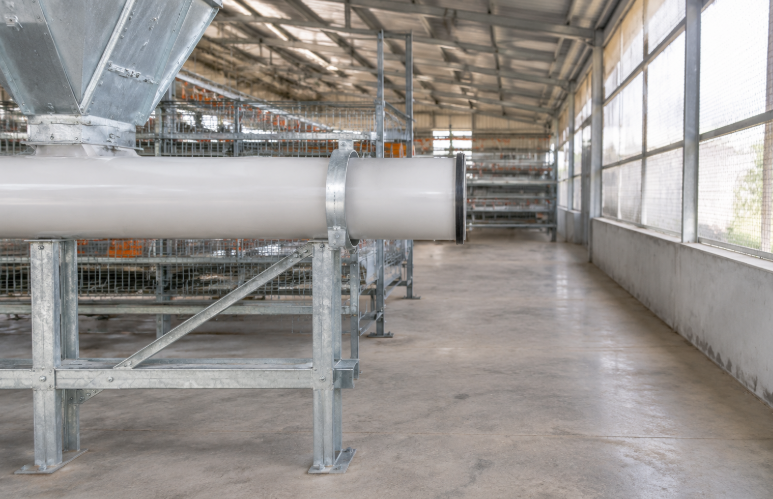
4. Compare the Quotation by Stage and Responsibility
Ask for separate lines covering:
- Phase 1 equipment: model reference, quantity, capacity basis, and drawing revision.
- The items purchased now: Each item is specially prepared for the later stage, with its own purpose and cost.
- Later supplement: The proposed equipment and assumptions are still awaiting confirmation.
- Changes to installed equipment: Any equipment that is expected to need to be moved, modified, or replaced, and whether this work is included in the current price.
- Work and Services: Required installation, electrical work, and commissioning, specifying availability, responsibilities, costs, and exclusions.
If an offer describes a modular layer cage system, ask which modules can be added to the quoted model, where they connect and what else must change. The label alone does not confirm an expansion arrangement.
Distinguish between estimates and written commitments for later pricing, delivery, compatible parts, and services. Retain model references and graphic revisions, and if there are changes in the model, layout, or site conditions before expansion, another compatibility review is required.
For the separate question of what to include in the initial equipment enquiry, see what equipment is needed for a 5,000–10,000-layer chicken farm.
5. Confirm the Work Conditions Before Scheduling Expansion
Do not assume that expansion can proceed while the first flock remains in the house. Ask the supplier and farm team to identify the affected systems, required interruptions and proposed work sequence.
Where relevant, the responsible technical and farm animal-health advisers should review access, cleaning, biosecurity, flock movement and checks before changed equipment returns to service. The acceptable work method and timing remain unconfirmed until the responsible parties have reviewed the actual installation and farm conditions. Keep any production interruption or operating restriction in the expansion plan and quotation scope. This planning checklist does not establish a safe installation method or guarantee uninterrupted production.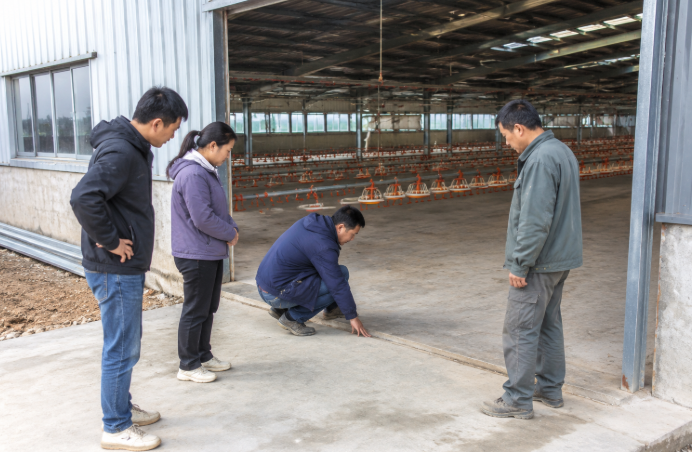
6. Request a Review Using a Two-Stage Brief
When contacting Auto ChickenCage about a 5,000-layer cage system, include:
Initial flock / intended final flock: 5,000 layers / [target]. Expansion route: [same-row extension / additional rows / another house / undecided]. Project location and building: [destination; existing or planned house]. Attachments: measured plan and details of equipment to be retained. Work constraint: [whether the first flock may be present during expansion].
Ask which model, layout information and phased equipment scope can be provided for review. Request a written distinction between confirmed items, exclusions and matters still requiring engineering assessment before making the first-stage purchase decision.
Want to know more?
Get in touch with us for more information about our services and products.