
How to Plan a Complete Layer Farm Automation System: Feeding, Manure Removal and Egg Collection
A layer farm automation project is more than a list of individual machines. Feeding, manure removal and egg collection all need to fit the poultry house layout and work together as part of the daily production process.
Whether you are planning a new farm or upgrading an existing house, begin with the site, the production plan and the movement of feed, manure and eggs. This helps you discuss a suitable equipment scope with suppliers before finalizing a layout or quotation.
1. Start with the Farm and Poultry House Layout
Before selecting equipment, collect the basic information about your project:
- Planned or current flock capacity
- Poultry house length, width and usable height
- Number of houses and cage rows
- Cage type and number of tiers, if the house is already equipped
- Aisle width and available service space
- Locations of feed storage, water supply and electrical connections
- Manure discharge and egg collection areas
- Site photos, drawings or construction plans
For a new project, the poultry house layout can be planned around the equipment workflow. For an existing farm, record the current cage arrangement and any obstacles that may affect installation or equipment movement.
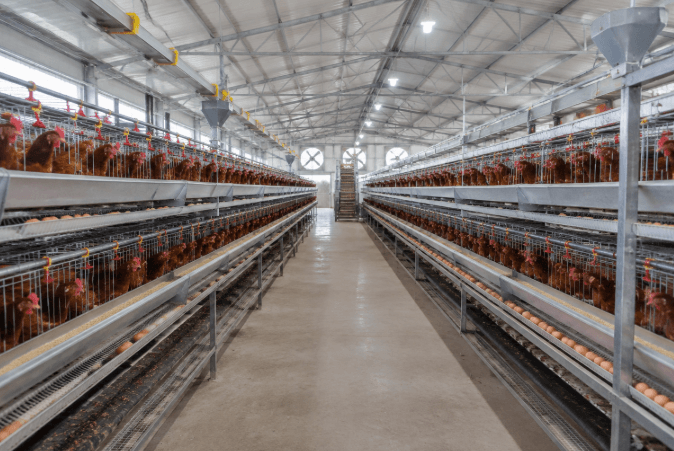
The H-type galvanized layer chicken cage system is designed for commercial layer houses and can be coordinated with feeding, egg collection and manure removal equipment. The final configuration should be matched to the house dimensions and project requirements.
2. Plan Feeding from Storage to the Cage Rows
A feeding system should deliver feed from storage to the birds in a consistent and practical way. When planning the route, consider the feed storage location, house length, cage rows, tier arrangement and access for maintenance.
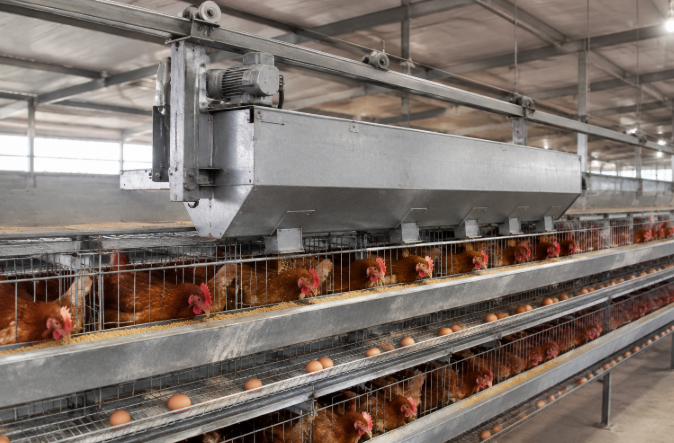
An overhead travelling feeding machine travels along rails above the cage rows and distributes feed into the troughs. Its configuration should be considered alongside the cage layout, available headroom, power supply and the number of rows to be served.
For an existing house, check whether the proposed feeding route fits around structural columns, doors and other installed equipment. These details can affect rail placement and the overall system arrangement.
3. Coordinate Manure Removal with Cage Tiers and Discharge Points
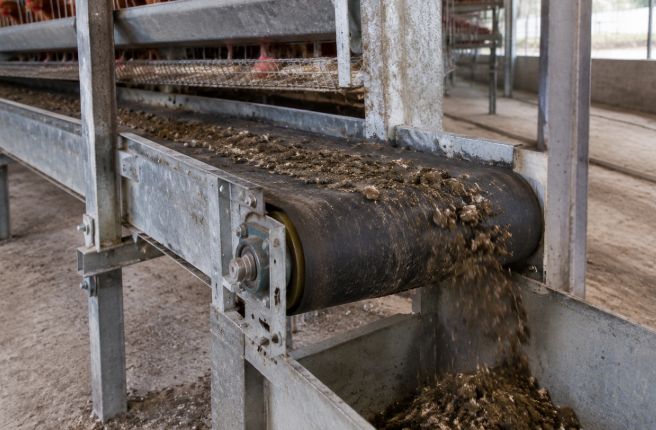
Manure handling is closely connected to cage design and poultry house hygiene. In a system with manure belts, the belts are positioned under the cage tiers and transfer manure toward a discharge point.
A belt manure removal system should be planned with the cage rows, belt arrangement, house length and manure collection area in mind. Confirm where manure will leave the house and whether a cross conveyor or inclined conveyor is needed to reach the storage or loading area.
For a retrofit project, check the space around the end of each row, the discharge route and access for maintenance. A clear manure‑removal path helps avoid conflicts with walls, doors and other equipment.
4. Map the Egg Collection Route
Egg collection begins at the cage rows and continues toward the collection, grading or packing area. Before choosing equipment, map each transfer point along this route.
Consider:
- The number and arrangement of cage tiers
- The direction of the egg belts
- The location of the central collection area
- Available space for conveyors and transfer equipment
- The distance from the poultry house to the packing area
- How collected eggs will move to the next handling stage
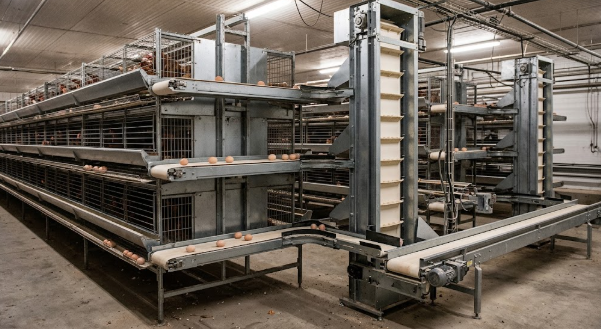
A stacked egg collection system with a vertical elevator can transfer eggs from multiple tiers toward a central collection point. If eggs will continue to a packing line, consider how the elevator, conveyors and automatic egg tray packing machine will connect within the available space.
For an existing farm, document the current egg belt direction and transfer points. Photos and measurements can help suppliers assess whether new collection equipment can be integrated with the existing layout.
5. Include Ventilation and Site Conditions in the Plan
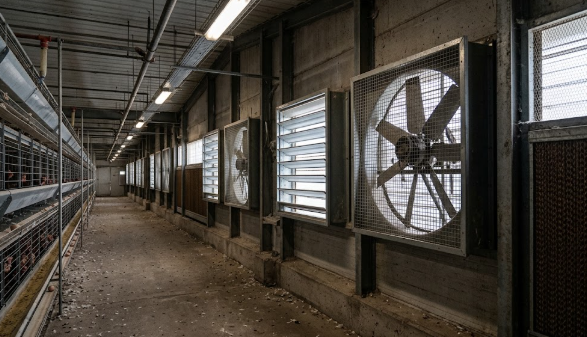
The automation layout should also account for the poultry house environment. Note local seasonal temperatures, humidity, ventilation requirements, power supply and water availability. The placement of equipment should be considered together with the house’s air movement, service access and operating conditions.
A poultry house environmental control system can be included in discussions about ventilation and cooling. For both new construction and upgrades, share the existing or planned house details so the equipment scope can be reviewed in context.
6. Review Equipment Compatibility and Project Scope
When comparing proposals, ask suppliers to show how the main systems fit together. Review the cage configuration, feeding route, manure discharge, egg collection path, electrical requirements and maintenance access as one project.
Check what is included in each proposal, which parts need to be supplied separately, and what drawings or site measurements are required before the layout can be confirmed. Comparing suppliers against the same project details makes it easier to understand differences in configuration and scope.
For an existing farm, identify which equipment will remain and which equipment will be replaced or added. This helps suppliers focus on the interfaces between old and new systems.
7. Prepare Project Information Before Requesting a Layout
To support a more detailed discussion, prepare a short project brief containing:
- Farm location and project type
- Planned flock capacity
- Poultry house dimensions and drawings
- Cage type and number of tiers
- Feeding, manure and egg collection requirements
- Existing equipment details for retrofit projects
- Local climate and utility information
- Project schedule and installation considerations
A complete layer farm automation system starts with a clear plan for how each process will work inside the poultry house.
By coordinating feeding, manure removal and egg collection with the house layout from the beginning, farm owners can discuss equipment scope, connections and future upgrades more effectively.
Want to know more?
Get in touch with us for more information about our services and products.