
What Equipment Is Needed for a 5,000-10,000 Layer Chicken Farm?
For many poultry farmers, a 5,000-10,000 layer chicken farm is a practical starting size. It is large enough for commercial egg production, but still easier to manage than a large fully automatic poultry farm.
However, many new buyers only ask about the price of chicken cages. In real farm operation, a layer farm needs more than cages. Drinking, feeding, manure cleaning, egg collection, ventilation, lighting, spare parts, and house layout should all be considered before placing an order.
This article explains the basic equipment needed for a 5,000-10,000 layer chicken farm and helps buyers prepare better information before requesting a quotation.
1. Layer Chicken Cages
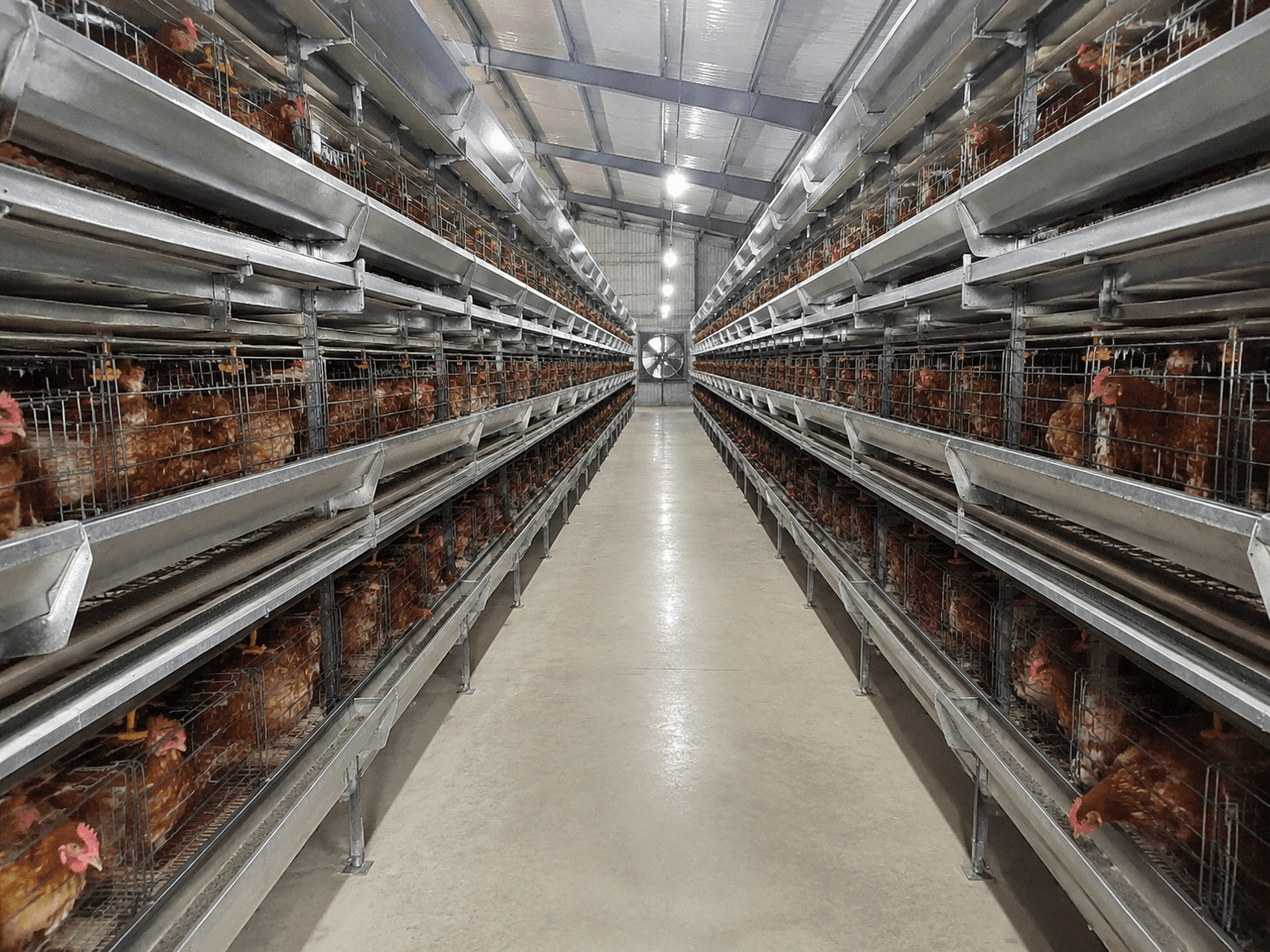
Layer cages are the main equipment in a 5,000-10,000 bird farm. They help organize birds, save floor space, make feeding and egg collection easier, and keep farm management more stable.
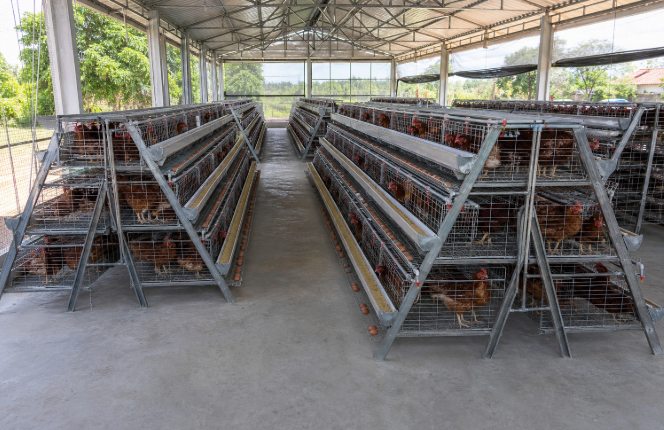
For this farm size, many buyers choose A Type layer chicken cages because they are simple, practical, and suitable for small and medium farms.
A Type cages are usually suitable when:
- The farm has enough house area
- The budget is limited
- The poultry house is open or semi-open
- Manual or semi-automatic operation is acceptable
- The buyer wants a practical starting solution
If the house area is limited or the farm wants higher stocking density, H Type layer cages can also be considered.
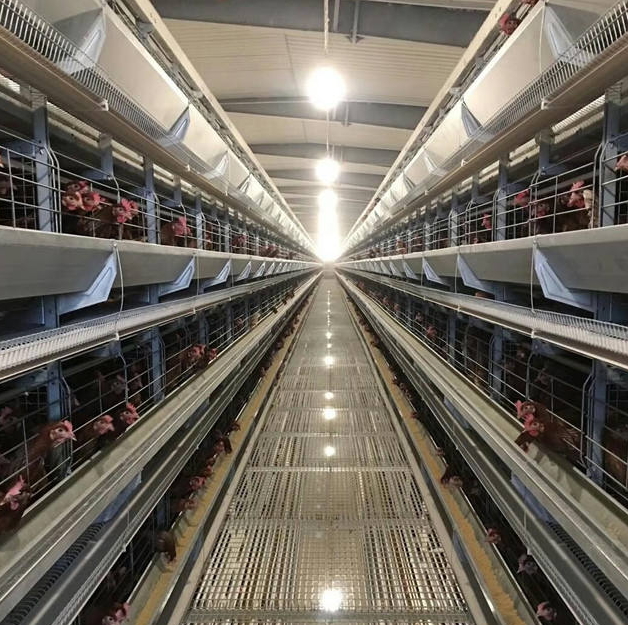
H Type cages are more compact and can be matched with automatic feeding, manure belt cleaning, and egg collection systems. For a 5,000-10,000 bird project, H Type may be suitable if the buyer wants a more automatic system or plans future expansion.
2. Small Layer Cage System for Starting Farms
Some buyers are not ready to start with 10,000 birds immediately. In this case, a smaller system for around 5,000-6,000 birds can be a practical first step.
A small layer cage system is suitable for:
- New poultry farmers
- Family farms
- Customers testing a new egg production project
- Farms with limited first investment
- Buyers who want to expand step by step
If you plan to expand later, the first layout should leave space for additional cage rows, manure discharge, feed storage, and future equipment.
3. Drinking System
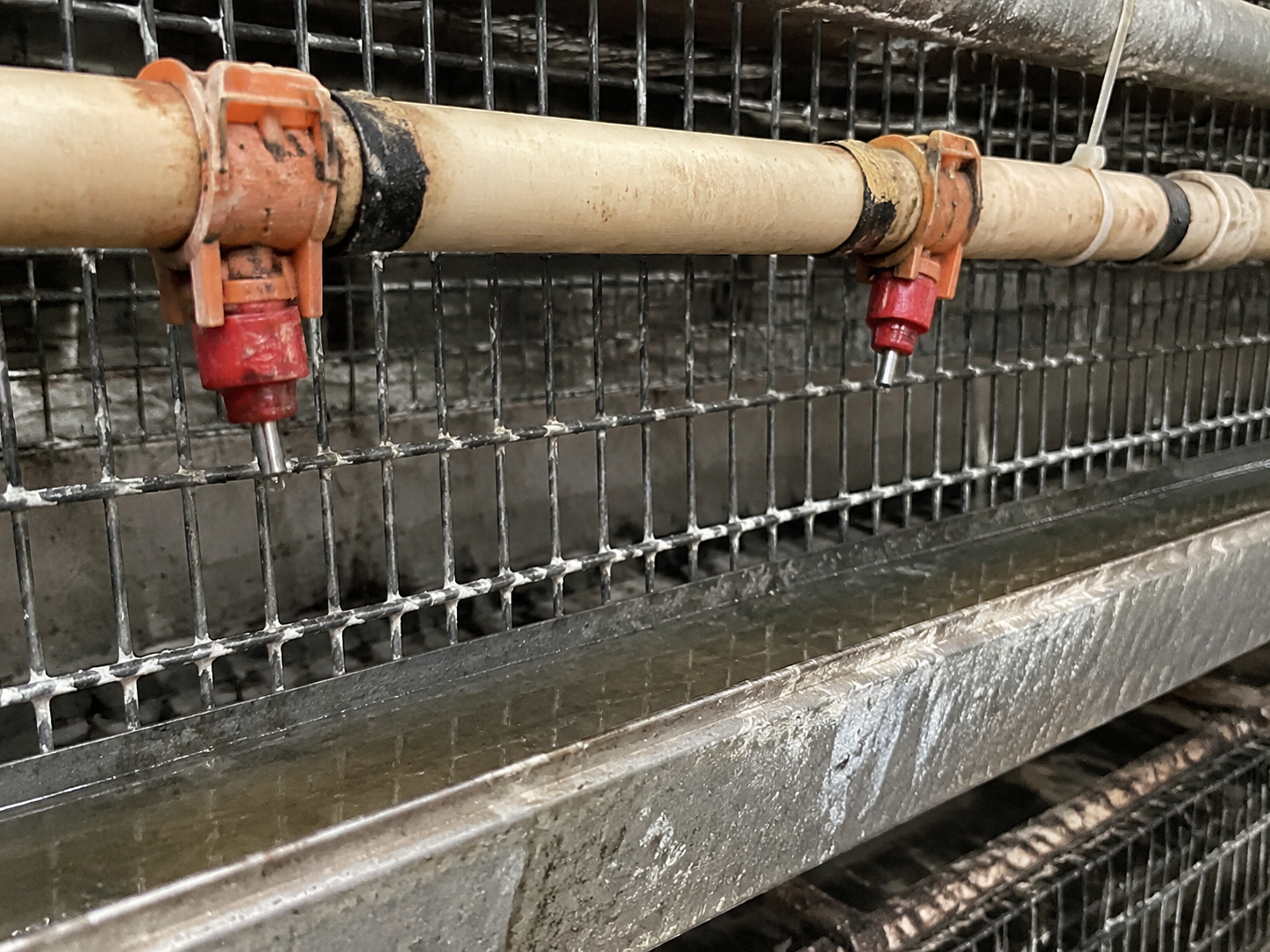
A layer cage system should include a suitable drinking system. Most cage systems use nipple drinkers and water lines to supply water to the birds.
The drinking system should provide enough clean water and reduce leakage.
Before choosing a cage system, check:
- Number of nipple drinkers
- Water line position
- Water pressure
- Water source
- Whether filters or pressure regulators are needed
- Whether all birds can reach water easily
Water leakage can make manure wet, increase humidity, and create more cleaning problems. So the drinking system should be planned together with cage layout and manure cleaning.
4. Feeding Equipment
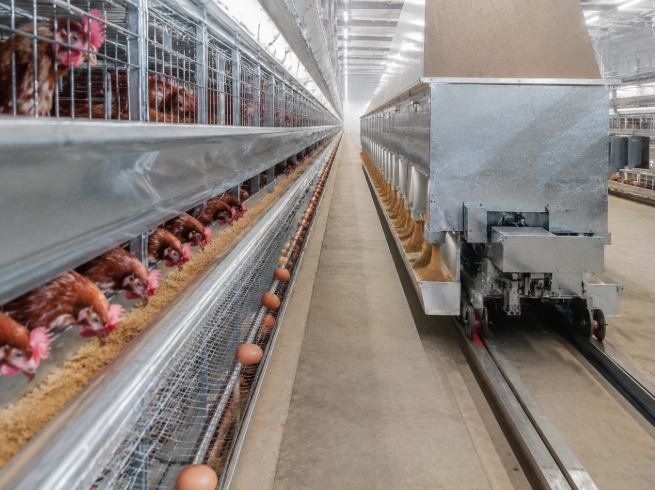
Feeding can be manual, semi-automatic, or automatic depending on farm size, labor cost, and budget.
For 5,000 birds, manual feeding may still be possible if labor is available. For 10,000 birds, manual feeding may take more time every day, so some farms consider automatic feeding equipment.
Suggested product link: Automatic Feeding Machine / Overhead Travelling Feeding Machine
An automatic feeding machine can help:
- Reduce manual feeding work
- Keep feed distribution more even
- Save time in long cage rows
- Make daily feeding management more organized
Before choosing feeding equipment, buyers should confirm the cage row length, number of rows, feed storage method, labor condition, and budget.
5. Manure Cleaning System
Manure cleaning is an important part of daily layer farm management.
For small farms, manual cleaning may still be acceptable. But for larger 10,000-bird farms, manure volume increases and cleaning becomes more difficult.
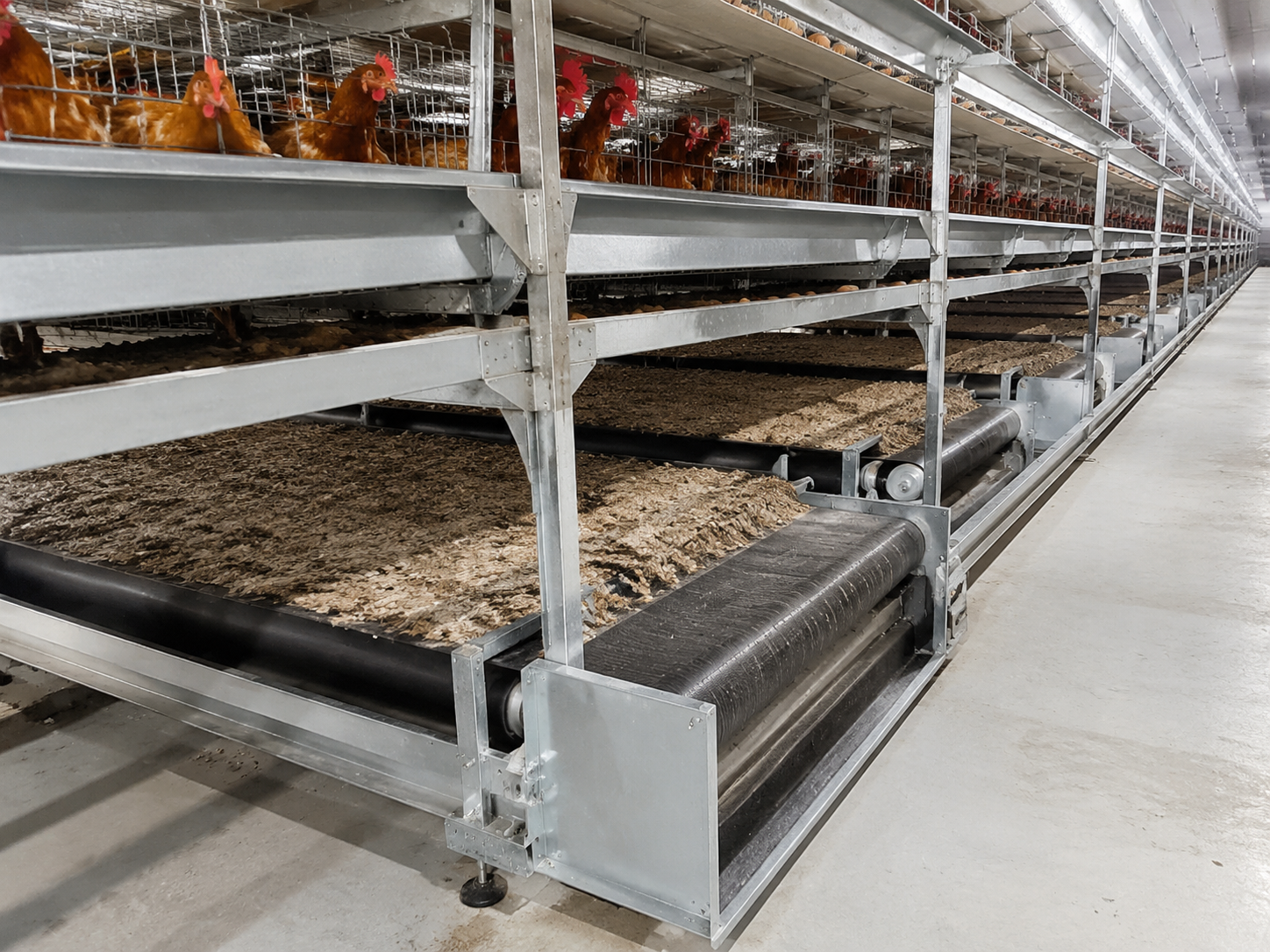
A manure belt system can help remove manure more regularly and keep the poultry house cleaner.
It can help reduce:
- Manure buildup under cages
- Strong ammonia smell
- Wet floor problems
- Fly problems
- Manual cleaning work
- Equipment corrosion risk
For A Type cages, buyers may choose manual, scraper, or belt cleaning depending on budget. For H Type cages, manure belt cleaning is usually more practical because of the stacked structure.
6. Egg Collection Method
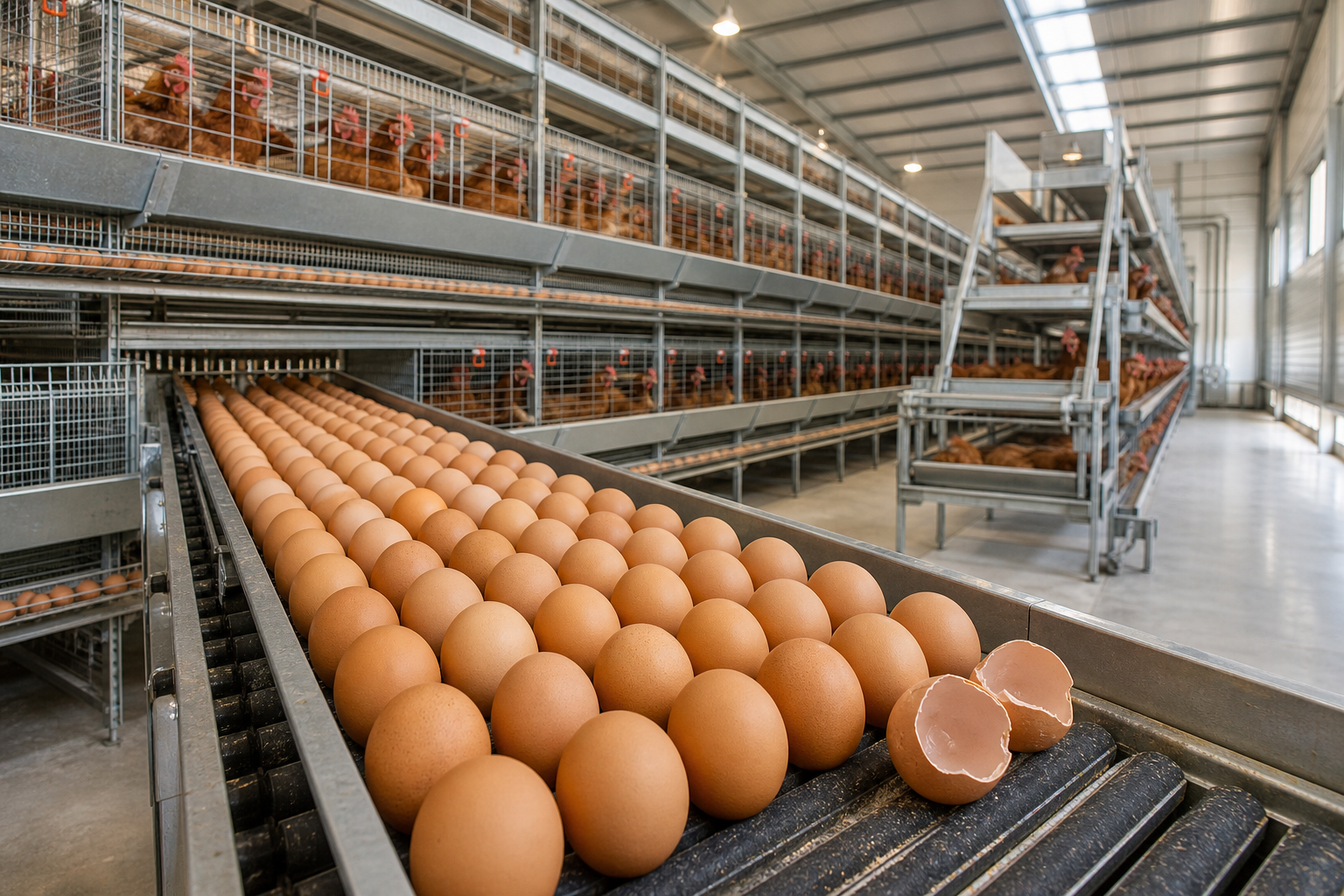
Egg collection can be manual or automatic.
For 5,000 birds, manual egg collection is common. For 10,000 birds, manual collection is still possible, but it needs enough workers and good daily management.
Automatic egg collection may be considered when:
- Daily egg quantity is high
- Labor is limited
- The farm wants to reduce repeated manual handling
- The cage system is H Type
- The farm plans to expand later
If the buyer does not choose automatic egg collection at the beginning, it is still better to reserve space for possible future upgrading.
7. Ventilation and Cooling Equipment
Ventilation should not be ignored, even in a 5,000-10,000 bird farm.
The poultry house needs to remove heat, moisture, dust, and manure gas. In hot climates, poor ventilation can cause heat stress and reduce bird performance.
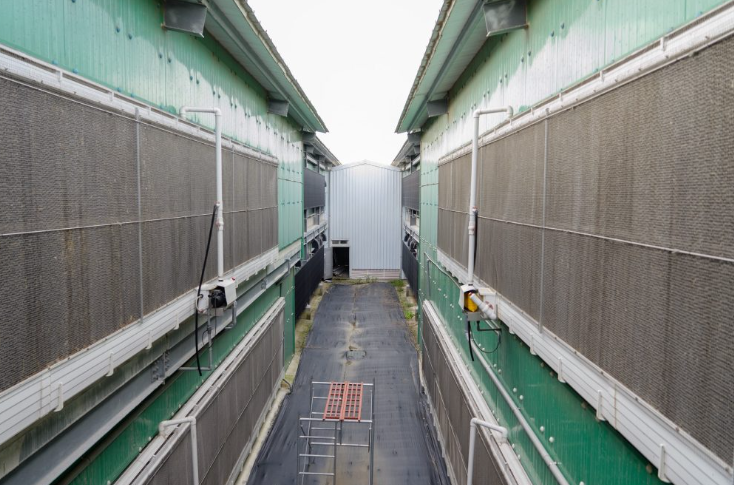
Ventilation and cooling equipment may include:
- Exhaust fans
- Cooling pads
- Air inlets
- Curtains
- Temperature controllers
- Lighting control
For open houses, natural ventilation and fans may be enough in some areas. For hot regions or closed houses, cooling pads and exhaust fans may be needed.
Before requesting a quotation, tell the supplier your country, local temperature, humidity, and house type.
8. Lighting System
Lighting affects layer management and daily operation. A simple but stable lighting system is usually needed in layer houses.
When planning lighting, consider:
- House length
- Cage row layout
- Light distribution
- Electrical safety
- Maintenance access
- Local management practice
Lighting does not need to be complicated, but it should be installed safely and evenly so workers can inspect birds, collect eggs, and manage the house properly.
9. Feed Storage and Water Storage
A 5,000-10,000 layer farm should also plan feed and water storage.
Before installation, think about:
- Where feed will be stored
- Whether feed will be stored in bags or silo
- How feed will be moved to the house
- Whether the storage area is dry
- Whether rodents can enter the feed area
- Whether water supply is stable
- Whether a water tank is needed
Poor feed storage can cause feed waste, moisture problems, and quality issues. Unstable water supply can affect bird health and daily production.
10. Spare Parts and Maintenance Tools
Even a small or medium layer farm should prepare basic spare parts and tools.
Useful spare parts may include:
- Nipple drinkers
- Water pipe connectors
- Feed trough accessories
- Cage clips and fasteners
- Manure belt parts, if used
- Rollers or scrapers, if used
- Motor parts, if automatic equipment is used
- Egg belt parts, if automatic egg collection is used
Basic tools should also be prepared for installation and daily maintenance.
Spare parts help reduce downtime when small parts are damaged during operation.
11. Basic Equipment Checklist
For a 5,000-10,000 layer chicken farm, the equipment list may look like this:
| Equipment | Needed? | Notes |
|---|---|---|
| Layer chicken cages | Required | A Type, H Type, or small stacked cage |
| Nipple drinking system | Required | Should match cage layout |
| Feed troughs | Required | Included with cage system |
| Manual or automatic feeding | Depends on labor and budget | Automatic feeding is useful for long rows |
| Manure cleaning system | Recommended | Manual, scraper, or belt system |
| Egg collection method | Required | Manual or automatic |
| Ventilation fans | Recommended | Especially in hot areas |
| Cooling pads | Depends on climate | Needed in many closed or hot houses |
| Lighting system | Recommended | For management and inspection |
| Feed and water storage | Required | Should be planned before operation |
| Spare parts | Recommended | Reduces downtime |
12. Information to Prepare Before Requesting a Quotation
To get a suitable equipment recommendation, prepare the following information:
| Information | What to Provide |
|---|---|
| Bird quantity | 5,000, 6,000, 8,000, or 10,000 layers |
| Poultry house size | Length, width, and height |
| House type | Open, semi-open, or closed |
| Country and climate | Temperature and humidity |
| Cage preference | A Type, H Type, or need recommendation |
| Feeding method | Manual or automatic |
| Manure cleaning | Manual, scraper, or manure belt |
| Egg collection | Manual or automatic |
| Water source | Well, tap water, tank, or other |
| Budget | Economy, standard, or more automatic system |
| Expansion plan | Whether you plan to add more birds later |
Sample Inquiry Message
You can send a message like this:
Hello, we are planning a 5,000-10,000 layer chicken farm.
Bird quantity:
Poultry house size:
House type:
Country and local climate:
Preferred cage type:
Feeding method:
Manure cleaning method:
Egg collection method:
Water source:
Budget preference:
Future expansion plan:
Please recommend a suitable equipment list and cage layout.Final Recommendation
A 5,000-10,000 layer chicken farm needs more than chicken cages. A practical equipment plan should include layer cages, drinking system, feeding method, manure cleaning, egg collection, ventilation, lighting, feed and water storage, spare parts, and maintenance tools.
For many small and medium farms, an A Type layer chicken cage system is a practical starting choice. If the house area is limited or the farm wants more automation, an H Type galvanized layer chicken cage system can also be considered.
Before buying equipment, send your bird quantity, poultry house size, country, climate, budget, and automation requirements.
Want to know more?
Get in touch with us for more information about our services and products.