
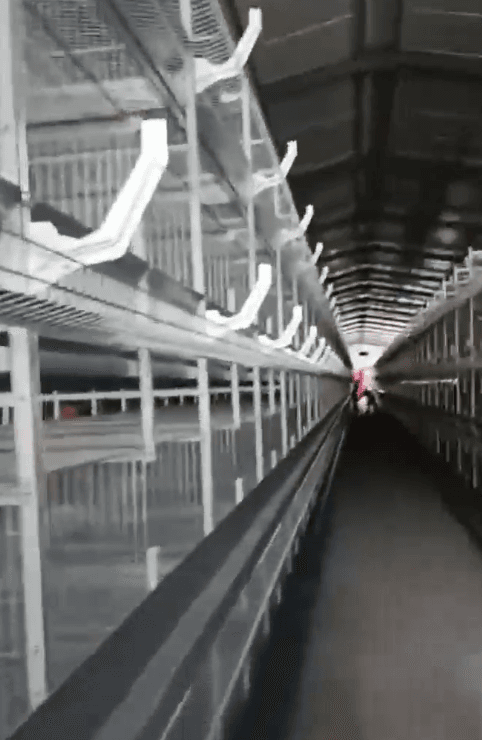
What Happens to a Poultry Farm During a Power Outage?
A power outage can affect feeding, ventilation, cooling, lighting, water supply and manure removal in a poultry house. The seriousness of the problem depends on the weather, outage duration, flock age, farm size and level of equipment automation.
A short outage may only interrupt normal operations. A long outage during hot weather can create serious risks, especially when fans, cooling pads, automatic feeding systems and control panels stop working.
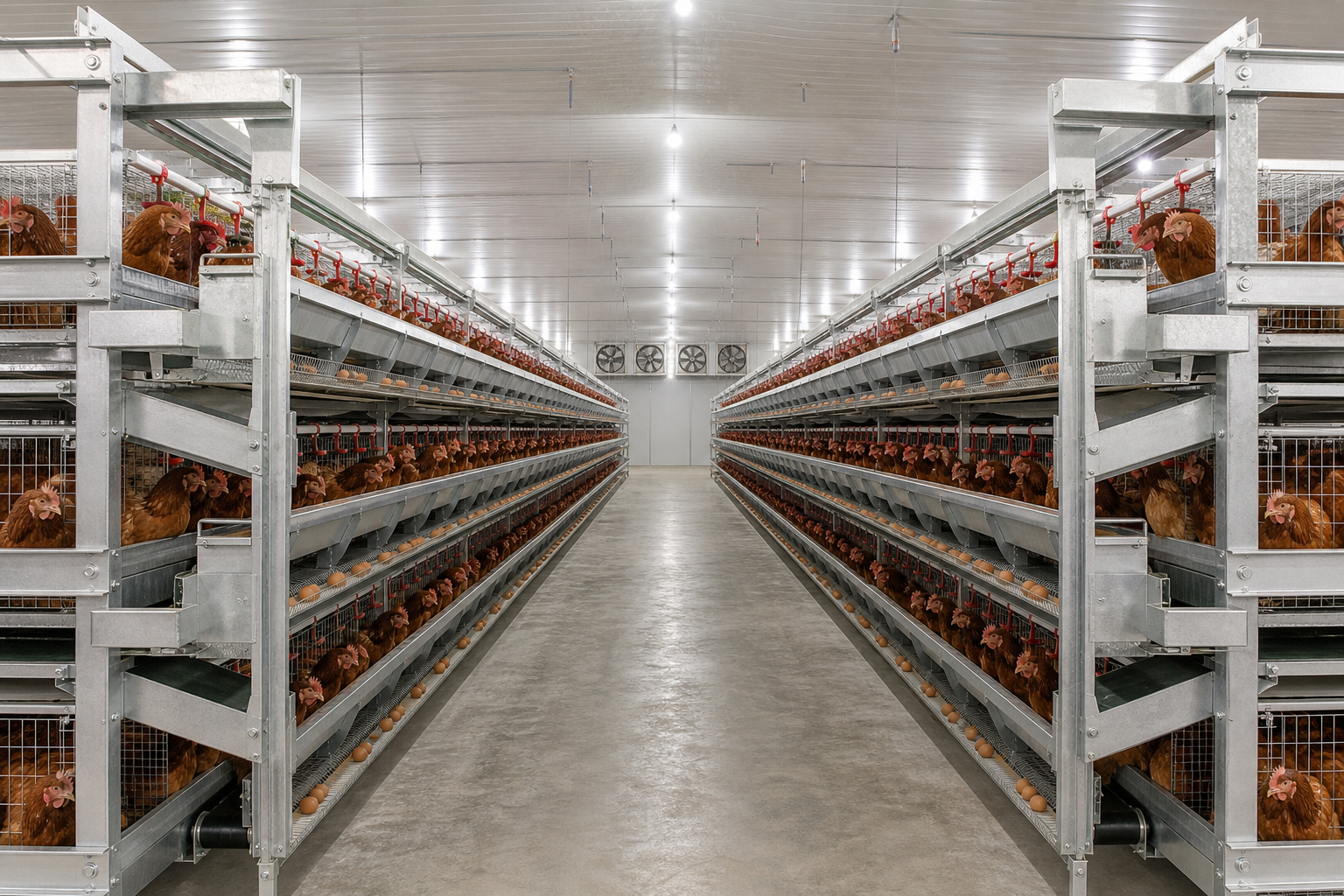
Which Poultry Farm Systems Are Affected?
A power failure may stop or limit the following equipment:
| Farm system | Possible effect of power outage |
|---|---|
| Ventilation fans | Reduced airflow and higher temperature |
| Cooling pads | No water circulation or cooling |
| Automatic feeding | Feed is not distributed to cage rows |
| Egg collection | Eggs remain on the egg belts |
| Manure removal | Manure remains under the cage tiers |
| Water pumps | Reduced water pressure or no water supply |
| Lighting | Disrupted lighting schedule |
| Environmental controller | Automatic temperature and humidity control stops |
The most urgent risk is usually the loss of ventilation during hot weather. Birds need continuous air movement to remove heat and maintain a suitable house environment.
What Can Happen to Birds During a Long Outage?
If ventilation and cooling stop for too long, birds may experience heat stress. Common warning signs include:
- Open‑mouth breathing;
- Wings held away from the body;
- Reduced movement;
- Increased water consumption;
- Birds gathering near air inlets;
- Lower feed intake;
- Reduced egg production;
- Increased mortality in severe conditions.
The actual risk depends on the local temperature, humidity, bird age, stocking density, house design and how quickly the farm restores airflow.
During cold weather, a power outage may create a different problem. If heating, ventilation control or water systems stop, young birds may become chilled and water lines may be affected.
What Should Workers Do First?
When the power fails, workers should follow the farm’s emergency procedure.
Check the flock
Workers should immediately inspect the birds and identify signs of heat stress, overcrowding or unusual behavior.
Restore airflow
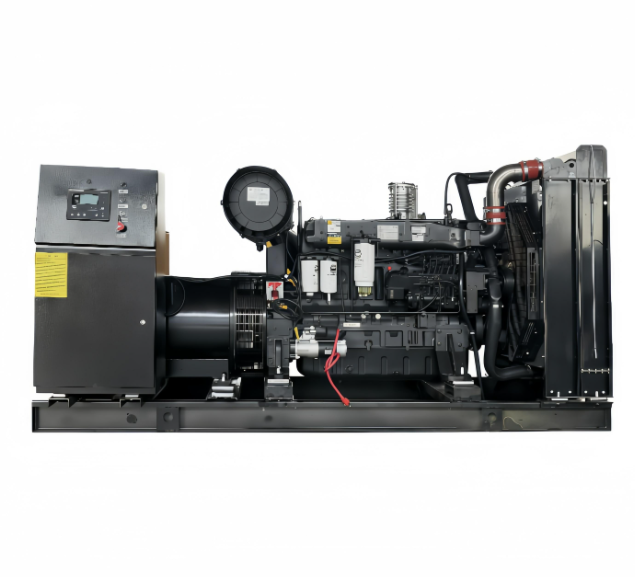
If weather conditions are hot, restoring ventilation should be the first priority. The farm should use a backup generator or another approved emergency power source when available.
Check water supply
Workers should confirm that water tanks, pumps and nipple drinking lines are working. Birds may consume more water during hot weather, so water availability is essential.
Stop unsafe equipment
If the power returns suddenly, equipment should not always restart without inspection. Workers should check motors, belts, cables and control panels before restarting automatic feeding or manure removal equipment.
Record the outage
The farm should record the starting time, restoration time, indoor temperature and any equipment problems. This information helps improve future emergency planning.
How Does a Power Outage Affect Automatic Feeding?
When automatic feeding stops, feed may not reach all cage rows. This is especially important in large poultry houses where workers cannot quickly distribute feed manually.
A farm should prepare a temporary feeding plan for emergencies. Depending on the farm size, this may include:
- Manual feed carts;
- Portable feed containers;
- Emergency feed storage near the poultry house;
- A backup generator;
- Manual operation procedures;
- Spare fuses, switches and electrical parts.
After power is restored, workers should check whether the travelling feeding machine has completed its route and whether feed has been distributed evenly to all rows.
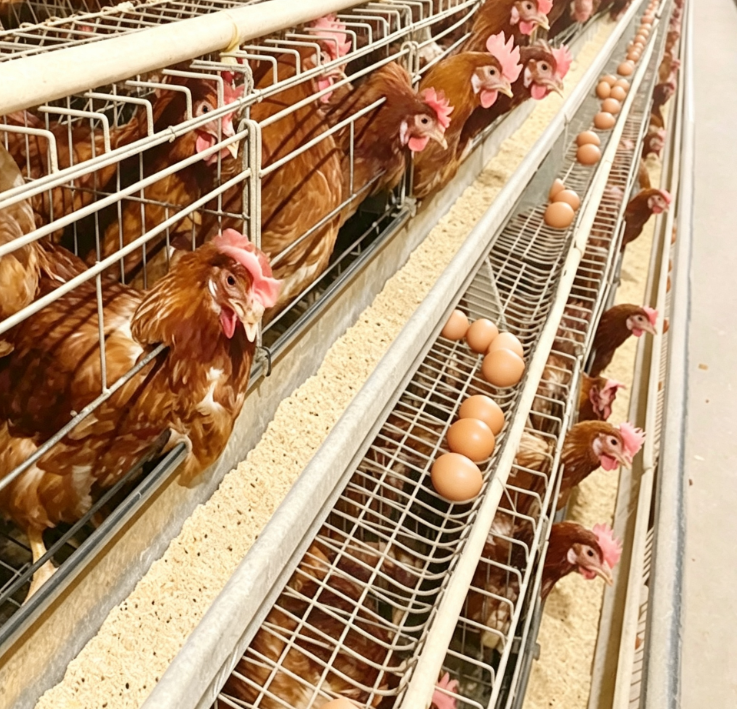
How Does a Power Outage Affect Egg Collection and Manure Removal?
If an automatic egg collection system stops, eggs may remain on the egg belts and require manual handling. Workers should avoid allowing eggs to accumulate for too long, especially in warm conditions.
If the manure belt system stops, manure remains under the cage tiers. A short interruption may not create an immediate problem, but a long delay can increase moisture, odor and ammonia inside the poultry house.
After power is restored, workers should inspect:
- Egg belts;
- Conveyor motors;
- Manure belts;
- Drive rollers;
- Control panels;
- Emergency stop switches;
- Belt alignment and tension.
How Can a Poultry Farm Prepare for Power Outages?
A practical emergency plan should include:
- A suitable backup generator;
- Regular generator testing;
- Adequate fuel storage;
- Emergency lighting;
- Manual feeding tools;
- Spare electrical and mechanical parts;
- Temperature monitoring;
- A list of emergency contact numbers;
- Worker training;
- A clear restart procedure.
The generator capacity should be evaluated according to the equipment that must continue operating. In hot weather, ventilation and cooling equipment may require priority over non‑essential systems.
Frequently Asked Questions
Can a poultry farm operate without electricity?
A small farm may continue limited manual operations for a short time, but a large automated poultry farm may face serious difficulties without electricity. Ventilation, cooling, water pumps and feeding systems usually require backup power.
How long can birds stay safely without ventilation?
There is no universal safe time. The risk depends on temperature, humidity, stocking density and house design. During hot weather, the farm should restore airflow as quickly as possible.
Should automatic equipment restart immediately when power returns?
No. Workers should first inspect the equipment, remove blockages and check motors, belts, cables and control panels. Equipment should then be restarted according to the manufacturer’s instructions.
---
Power outages can interrupt feeding, ventilation, cooling, water supply, egg collection and manure removal. A suitable backup power plan and clear emergency procedure can help reduce the risk to birds and equipment.
Send us your poultry house dimensions, bird capacity, equipment list and local power conditions.
Want to know more?
Get in touch with us for more information about our services and products.