
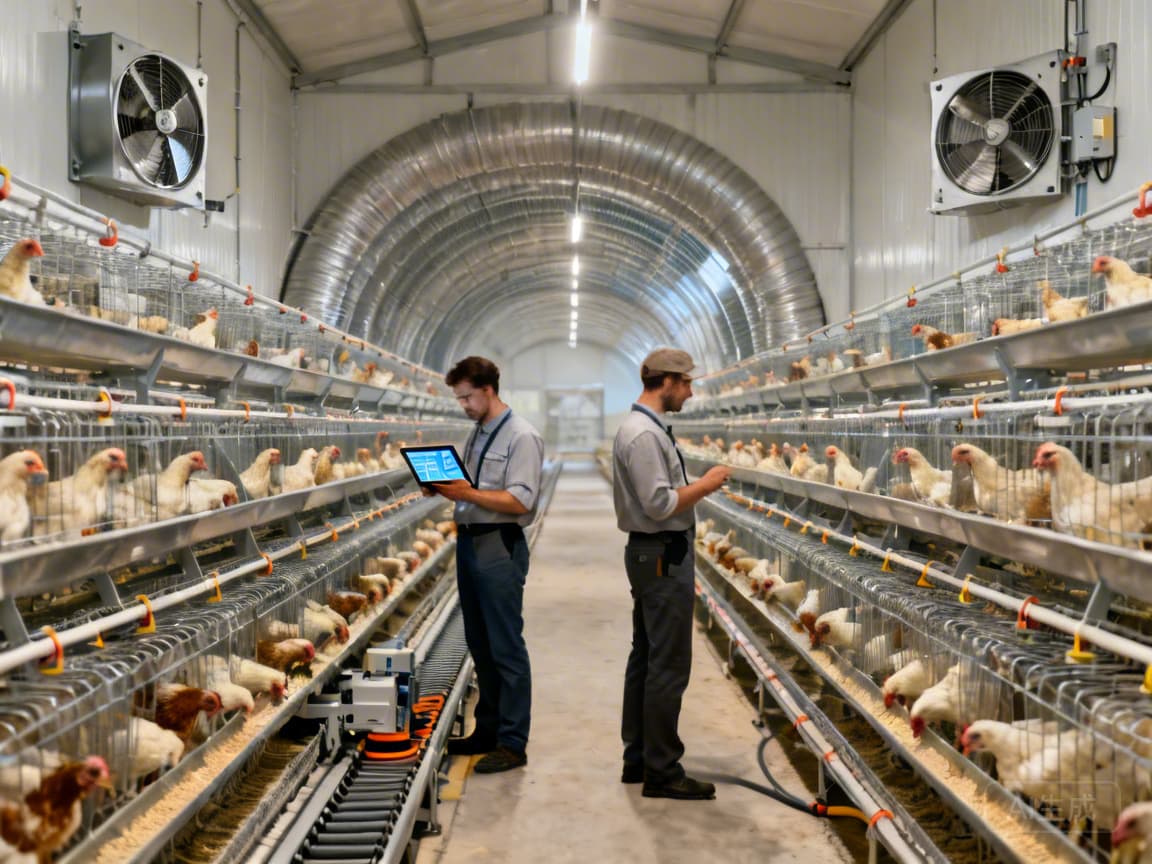
Why Automated Poultry Equipment Is Non-Negotiable for Profitable Layer & Broiler Farming
The Profitability Gap: How Outdated Poultry Farming Practices Are Costing You Money
The poultry industry faces three existential challenges: persistent labor shortages (Usher’s research highlights automation as a critical solution), rising disease risks and biosecurity threats (Folio3 AgTech ranks these as top concerns), and volatile feed costs that erode margins.
For layer and broiler farms, these aren’t just inconveniences—they’re silent profit killers. Manual processes, outdated housing, and inconsistent environmental control create a cycle of wasted labor, higher mortality, and lower egg/meat quality.
The 2024 State of the Chicken Industry Report underscores this: 90% of farms cite operational inefficiencies as a top barrier to growth. The solution? Purpose-built automated poultry equipment designed to address these pain points head-on.
The Data Speaks: Manual Processes Are Holding Your Farm Back
Labor costs now account for 30–40% of operational expenses for many farms, with 48% of producers struggling to fill roles (Auto ChickenCage). This crisis necessitates a shift, as detailed in our analysis on how automation reshapes poultry labor and drives growth. Manual tasks like manure removal, egg packing, and environmental monitoring drain time and money.
Heat stress from poor ventilation reduces feed conversion by 10–15% and increases mortality by 5–8%. For a 10,000-bird farm, that’s $15,000+ in annual losses from wasted feed and dead birds.
Manual egg handling leads to 10–15% breakage—costing a 5,000-bird layer farm $8,000+ yearly in lost revenue. These numbers add up, making scalability feel impossible without change.
Automated Poultry Equipment: 5 Solutions That Fix Your Biggest Problems (And Boost ROI)
Environmental Control System: This integrated system (tunnel fans, cooling pads, intelligent controllers) maintains stable temperature, humidity, and air quality—reducing heat stress by 80% and cutting mortality by 15%. For a 20,000-bird broiler farm, that’s $30,000+ in annual savings from improved feed conversion and lower losses.
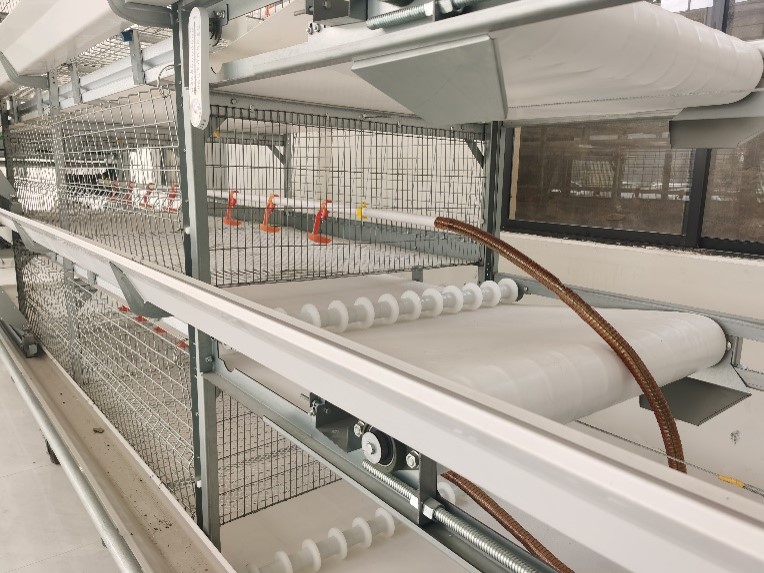
Belt Manure Removal System: Automatic cleaning eliminates ammonia buildup, flies, and 25% of labor hours. Made with corrosion-resistant materials (galvanized steel, PVC belts), it improves biosecurity and bird health—critical for preventing disease outbreaks.
Automatic Egg Handling: The Chicken Farm Automatic Egg Picking Machine (vertical cages, <0.5% breakage) and Automatic Egg Tray Packing Machine (stainless steel, adjustable speed) reduce labor by 30% and waste by 95%. A 10,000-bird layer farm saves $12,000+ yearly from fewer broken eggs and less manual work. This precision automation is key, as evidenced in our report on how precision automation boosts efficiency and reduces egg loss.
Large-Scale Automatic Chicken Cages: Designed for 50,000+ birds, these hot-dip galvanized steel cages integrate feeding, drinking, and cleaning—maximizing space by 40% and boosting efficiency by 20%. Ideal for farms scaling to meet demand without expanding land. This approach is part of a broader movement toward vertical poultry automation that delivers higher density and lower operating costs.
Mid-Sized Automatic Chicken Cages: For 5,000–6,000 birds, these galvanized wire cages (stepped design, easy installation) reduce costs by 15% and improve space utilization by 30%. Perfect for operations ready to automate without overinvesting.
Real Farms, Real Results: How Automation Delivers 20%+ ROI
A 15,000-bird layer farm in India used stacked cages and environmental control to cut labor costs by 30% and increase profits by 25% in 12 months (Folio3 AgTech).
A 40,000-bird broiler farm in Southeast Asia adopted the Belt Manure Removal System and large stacked cages—reducing mortality by 8% and boosting feed conversion by 10%, adding $45,000+ to annual revenue.
The 2024 State of the Chicken Industry Report confirms: 90% of farms using automated equipment see a 20%+ return on investment within 18 months. For a comprehensive financial breakdown, explore our guide on calculating true ROI with market data and hidden costs.
Beyond Equipment: Choosing a Partner That Delivers Long-Term Success
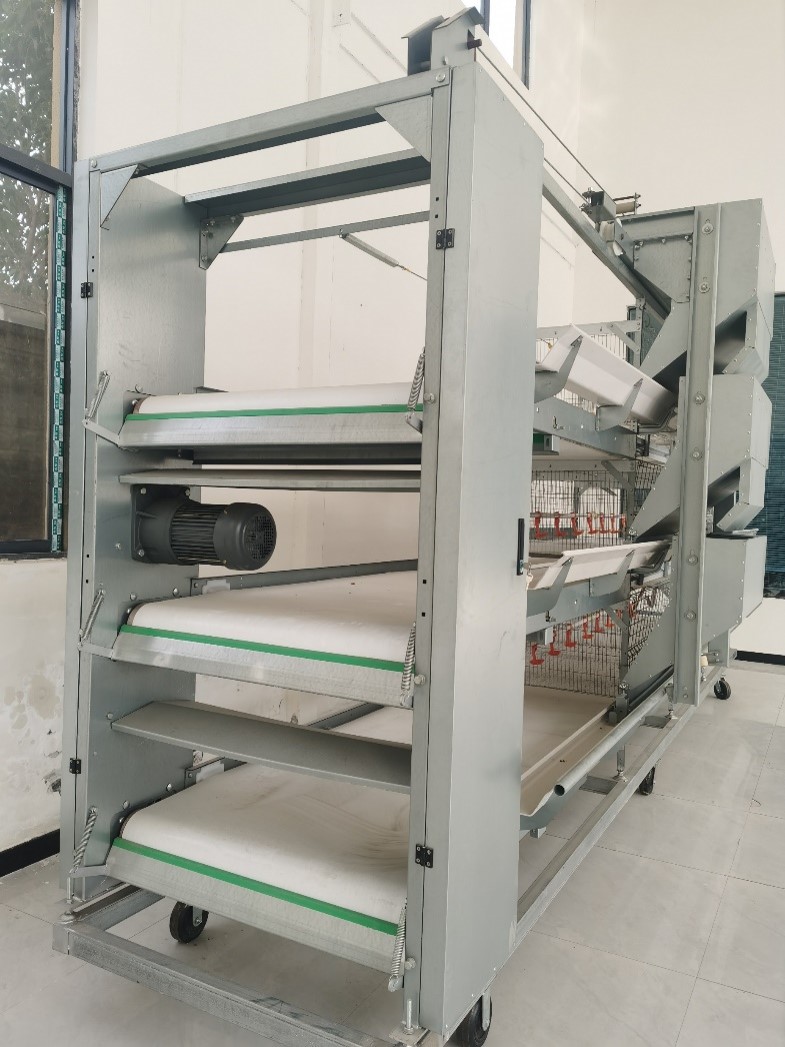
Customization matters: A custom Poultry Cage System (tailored to your farm’s size, climate, and goals) ensures you’re not overpaying for features you don’t need.
Turnkey support: Look for a partner that offers full Turnkey Poultry Farm solutions—from design and installation to training and maintenance. Export chicken cages and global expertise (e.g., adapting to local regulations) are critical for farms expanding internationally.
Post-sales service: The best manufacturers provide ongoing support (part replacement, software updates)—ensuring your equipment performs at peak efficiency for 10+ years.
Ready to Stop Losing Money to Manual Processes? Here’s Your Next Step
The first step to scaling profitability is a site assessment: A poultry equipment manufacturer will evaluate your farm’s pain points (labor, space, efficiency) and recommend tailored solutions—whether you’re a 5,000-bird layer farm or a 100,000-bird broiler operation.
Request a demo: See how the Environmental Control System, Belt Manure Removal System, or Automatic Chicken Cages work in real time—and calculate your exact ROI with a farm-specific analysis.
Eliminate your biggest headaches: Labor shortages, disease risks, and wasted feed don’t have to be part of your future. Automated poultry equipment turns these challenges into opportunities for growth.
To explore how our automated poultry equipment can transform your farm, contact us today.
Want to know more?
Get in touch with us for more information about our services and products.