
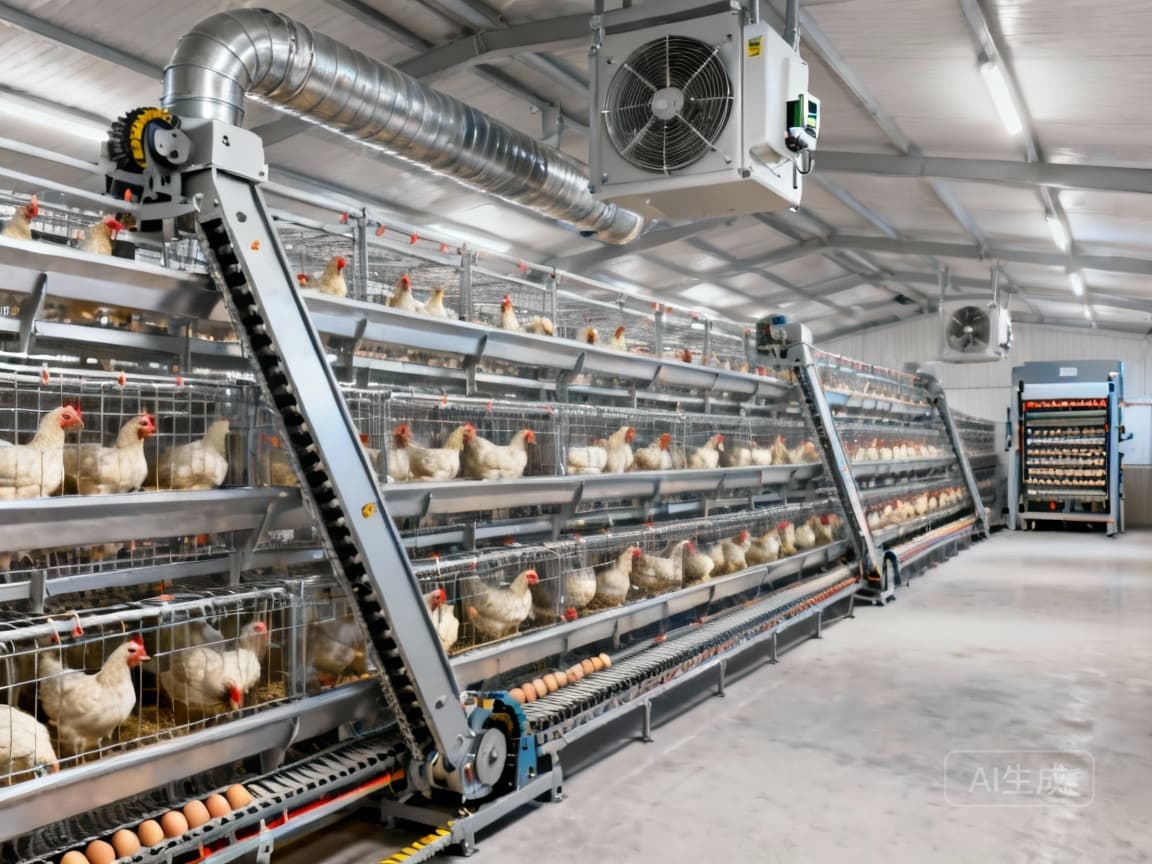
Optimizing Poultry Farm Productivity with Advanced Automated Cage Systems #8
Overcoming Critical Pain Points in Poultry Farming
For commercial poultry farmers, manual operations are a silent profit drain. Industry studies highlight how hand-collecting eggs leads to inconsistent yields and up to 30% higher labor costs—resources better spent on growth, not repetition. But the pain goes deeper: variable bird health from uneven feeding, ammonia buildup from unmanaged manure that threatens flock welfare and compliance, and the impossible balancing act of adopting sustainable practices without sacrificing profitability. These challenges don’t just slow you down—they put your farm’s future at risk.
Industry Trends Fueling the Shift to Automation
The State of the Chicken Industry Report 2024 says it loud: automated poultry equipment adoption has skyrocketed 90% in three years, driven by farmers tired of choosing between efficiency and sustainability. Cage-free egg production is leading this shift—consumers demand it, but scaling it without automation is a logistical nightmare. As our look at vertical poultry automation shows, automated systems turn that dream into reality, offering scalable solutions that maintain cage-free welfare standards while keeping operations profitable. This isn’t a trend—it’s the new baseline for competitive poultry farming.
Integrated Automated Solutions for Modern Poultry Farms
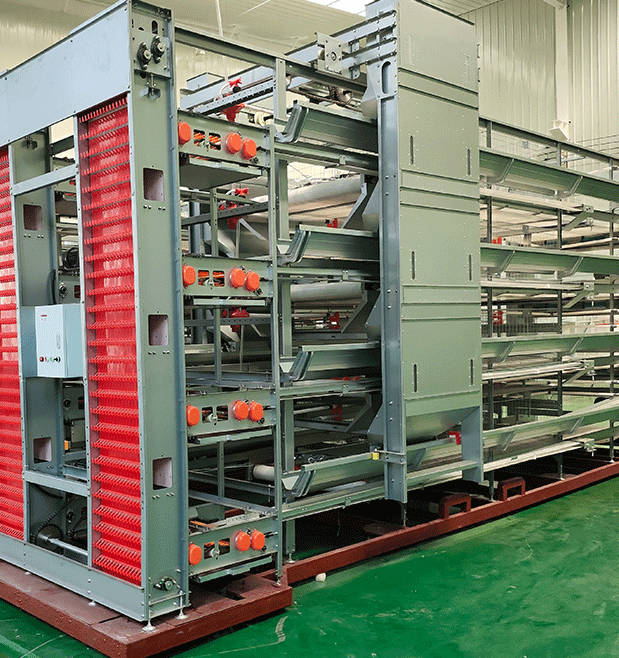
Modern poultry farms need integrated systems, not piecemeal tools. The H Type Galvanized Layer Cage System (a top choice for egg-laying hens) maximizes space without compromising bird health—ideal for high-density layer farming. Pair it with an Automatic Egg Collection System, and you eliminate breakage (we’ve seen rates drop below 0.5%) and free up staff for higher-value tasks. But the real power is in turnkey poultry farm packages: combining automatic feeding systems, belt-driven manure removal, and environmental control (temperature, humidity, ventilation) into a single, synchronized housing system. This holistic approach doesn’t just automate tasks—it optimizes your entire operation.
Tangible Benefits and ROI from Automation Investments
The proof is in the numbers. Commercial farms using automated layer systems report egg breakage rates below 0.5%—a massive jump from the 2–3% average with manual collection. Belt manure removal systems cut ammonia levels by 40%, improving bird health and reducing vet costs. But the biggest win is ROI. Case studies show that integrated automated cages deliver a 24-month payback period—driven by 20% better feed conversion ratios and 30% lower labor costs. Our analysis of automated layer cages highlights another key benefit: 78% lower compliance risk from consistent manure and health management. And as our broader ROI study reveals, the savings go beyond labor: up to 45% higher density and 22% lower energy costs add up fast. This isn’t an expense—it’s an investment in predictable, long-term profit.
Streamlined Implementation and Support for Your Farm
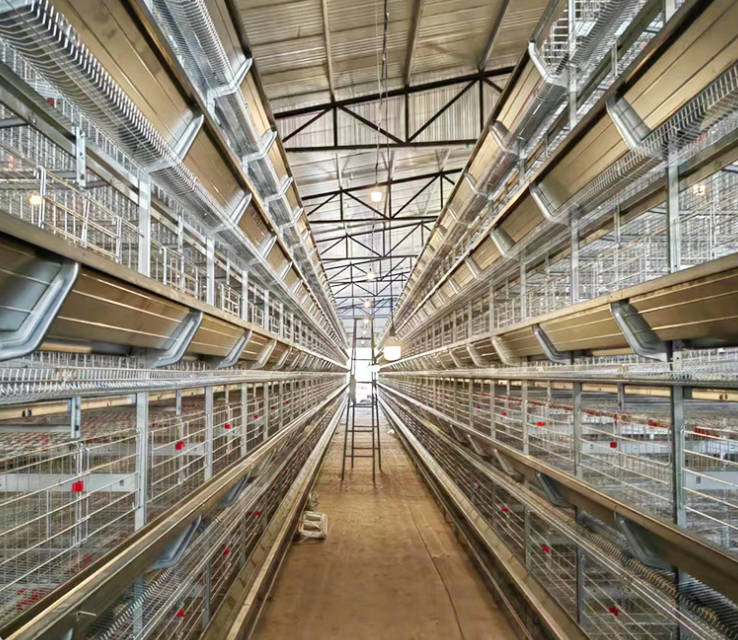
Switching to automation shouldn’t be a headache. As a trusted manufacturer, our process starts with a deep dive into your farm’s scale, breed requirements, and growth goals—then we design a custom system tailored to you. From installation (we handle every detail) to training your team on automated feeding and management, we’re with you every step of the way. But the support doesn’t end at launch: we offer proactive maintenance for your automation system, plus upgrades to keep your operation ahead of industry shifts. This isn’t a one-and-done—this is a partnership for lasting success.
Take the Next Step Toward Automated Excellence
Ready to stop fighting inefficiencies and start growing your farm? As your go-to supplier, we invite you to request a personalized consultation to assess your needs for automated cage systems—we’ll help you identify which solutions (from layer cages to environmental control) will deliver the biggest impact. Then, let’s conduct a farm audit to map out exactly how to integrate automation into your operation. The future of poultry farming is automated—and it starts with you.
To get started, reach out to our team today.
Want to know more?
Get in touch with us for more information about our services and products.